Performing competitor backlink analysis for manufacturing means systematically auditing the inbound link profiles of rival industrial websites to understand where they earn authority, then mapping those sources back to your own process, material, and certification keywords. The exercise reveals trade publications, engineering directories, certification bodies, and association pages that already pass equity to suppliers ranking ahead of you in procurement search.
This guide covers the definition of industrial backlink analysis, the business case for investing in it, how to identify your true competitors, the tools that surface industrial-grade link data, the step-by-step audit workflow, the link patterns specific to manufacturing, the strategy of converting insight into outreach, the measurement framework that ties links to revenue, and how to approach the work with us.
The opening chapters define what backlink analysis means for industrial websites and why competitor link intelligence matters for manufacturers selling into RFQ-driven supply chains.
The middle chapters walk through identifying true backlink competitors at the process and certification level, evaluating the platforms that aggregate industrial link data, and conducting a structured audit that exports, filters, and gap-maps competitor links.
The pattern chapters show which trade publications, engineering directories, certification bodies, and association memberships consistently appear in winning industrial backlink profiles, and the strategy chapters convert those patterns into prioritized outreach, content assets, editor pitches, and earned-link tracking.
The final chapters cover the KPIs that indicate a healthy industrial link profile, the attribution that connects backlink growth to RFQs and pipeline value, and how Manufacturing SEO Agency runs this work for industrial clients.
What Is Competitor Backlink Analysis in the Manufacturing Industry?
Competitor backlink analysis in the manufacturing industry is the structured audit of inbound links pointing to rival industrial websites, used to map which trade publications, certification bodies, engineering directories, and association pages already pass authority to suppliers ranking for the same procurement queries. The exercise translates link patterns into a sourcing-aware outreach plan.
What Does Backlink Analysis Mean for Industrial Websites?
Backlink analysis means systematically extracting, categorizing, and evaluating every external hyperlink pointing to an industrial domain so you can judge its topical relevance, authority, and procurement-funnel value. For industrial websites, the analysis prioritizes links from sources buyers actually consult: trade journals covering the process or material, supplier directories engineers query during sourcing, and certification registries that validate compliance. Each link is scored on relevance to the host's process and material catalogue, the linking page's topical alignment, and the anchor's semantic match with procurement intent. The output is a defensible inventory of which industrial sources confer ranking equity for specific RFQ queries.
Why Does Competitor Backlink Analysis Matter for Manufacturers?
Competitor backlink analysis matters for manufacturers because it surfaces the exact trade media, directories, and standards bodies that already lift competing suppliers in procurement search, then converts that intelligence into a prioritized acquisition plan. Engineers and purchasing managers do not browse marketing blogs; they consult industry-specific publications and supplier registries, so links from those sources carry disproportionate ranking weight for process, material, and certification queries.
Which Backlink Metrics Are Most Important for Industrial SEO?
The most important backlink metrics for industrial SEO are referring domain count, topical relevance of the linking page, anchor-text composition, link velocity, and the linking domain's standing within manufacturing media, certification, and supplier-discovery ecosystems. Volume alone misleads in industrial niches: a single contextual link from a respected trade journal often outranks dozens of generic directory listings. Track the share of links from process-specific publications, certification registries such as the Online Aerospace Supplier Information System, association pages, and engineering directories. Monitor anchor diversity to avoid over-optimization, and watch link decay rates because outbound editorial links rot quickly as trade sites restructure their archives.
How Does Manufacturing Backlink Analysis Differ From Other Industries?
Manufacturing backlink analysis differs from other industries because the source ecosystem skews toward narrow trade publications, certification bodies, supplier directories, and association pages tied to specific NAICS codes, processes, materials, and standards rather than broad consumer media.
Buyer behavior is procurement-driven, so links must reach engineers and purchasing managers researching process, material, and certification combinations, not consumer audiences scanning lifestyle content. This routes the audit toward verticalized sources first.
Why Should Manufacturers Invest in Competitor Backlink Analysis?
Manufacturers should invest in competitor backlink analysis because rival industrial sites already attract links from the trade publications, directories, and certification pages that procurement buyers trust, and reverse-engineering those sources is the fastest way to redirect that authority. The investment compounds as links translate into procurement-query rankings.
How Do Backlinks Influence Search Rankings for Manufacturing Companies?
Backlinks influence search rankings for manufacturing companies by signaling topical authority and trust to Google's algorithms, with the ranking system originating from the PageRank model that treats each hyperlink as a recursive vote of confidence. Industrial sites compete in narrow keyword pools where a handful of contextual links from trade publications can move rankings substantially.
For manufacturers where the National Association of Manufacturers represents 14,000 small and large manufacturing companies in every industrial sector and in all 50 states, association and trade-body links remain a defensible authority lever.
What Procurement-Intent Benefits Come From Strong Backlink Profiles?
The procurement-intent benefits that come from strong backlink profiles include higher rankings on process and material queries, increased referral traffic from buyers already researching suppliers, and visibility inside AI-generated answers that cite authoritative industrial sources. When trade journals and certification registries link to your process pages, the buyer-side discovery loop tightens: an engineer scanning a turning forum follows a contextual link to your CNC capabilities page, while a purchasing manager checking an AS9100 supplier directory clicks through to your aerospace credentials.
How Can Backlink Analysis Reveal Buyer-Side Trade Publication Trends?
Backlink analysis can reveal buyer-side trade publication trends by aggregating which industrial outlets repeatedly appear across competitor link profiles, which topics those outlets cover most often, and which suppliers earn coverage on which beats. Sorting referring domains by industrial relevance exposes the active trade titles in a vertical, while clustering anchor text by process, material, or certification shows which editorial themes rivals own. Cross-referencing publication dates surfaces emerging beats: a sudden cluster of links from additive manufacturing magazines signals an editorial cycle worth pitching. The data also flags publications that have stopped covering a process, helping you redirect outreach away from declining titles toward growing ones.
What Risks Do Manufacturers Face Without Competitor Backlink Insight?
Manufacturers face several risks without competitor backlink insight, such as ceding procurement-query rankings to better-linked rivals, missing emerging trade beats that competitors are already pitching, accumulating low-value directory links that Google ignores or penalizes, and misallocating PR budget toward generic publications that engineers do not read. The risks compound because link gaps widen as competitors continue earning coverage. There is also a compliance dimension: manufacturers without insight into what passes for natural editorial outreach versus paid placement can drift into tactics that trigger Google's link-spam classifiers, eroding rankings that took years to build. Auditing competitor profiles establishes the baseline for safe, productive acquisition.
Who Are Your True Backlink Competitors in the Manufacturing Sector?
Your true backlink competitors in the manufacturing sector are the suppliers who currently rank for your priority process, material, and certification queries, regardless of whether they win the same RFQs you do.
SERP and business competitor sets overlap but diverge; separate them before audit.
How Do You Identify Direct Process-Level Competitors for Backlink Benchmarking?
You identify direct process-level competitors for backlink benchmarking by querying the exact process names, material grades, and certification combinations buyers use, then capturing the top ten organic ranking domains for each query across a representative keyword set. Group queries by process (CNC machining, injection molding, sheet metal fabrication), then by material (titanium, PEEK, 6061 aluminum), then by certification (AS9100, ISO 13485, IATF 16949). The recurring domains across multiple cells of that grid are your true backlink competitors. Cross-check by reviewing referring domain overlap: suppliers sharing 30% or more of their referring domain pool with one another are competing for the same editorial real estate. For a deeper walkthrough, see our guide to competitive seo analysis manufacturing industry.
What Distinguishes a SERP Competitor From a Business Competitor in Industrial Search?
A SERP competitor is any domain ranking on the first page for your target query, regardless of whether it sells the same product, while a business competitor is a supplier that bids on the same RFQs you do. In industrial search, the two sets diverge sharply: a SERP for "5-axis titanium aerospace machining" can include trade journals, university research centers, association pages, and equipment OEMs alongside actual job shops.
Backlink benchmarking requires both views.
How Do You Map Competitors by Process, Material, and Certification?
You map competitors by process, material, and certification by building a three-axis matrix that lists priority processes down one axis, target materials across another, and qualifying certifications on the third, then populating each cell with the suppliers who rank for queries combining those attributes. The matrix exposes coverage gaps: cells with no competing supplier indicate underclaimed query space, while crowded cells indicate where link competition is fiercest. Vertical-specific topics, including what is additive manufacturing, benefit from a process-first axis because additive shops link from a different publication ecosystem than subtractive ones. Update the matrix quarterly as standards revise, materials enter the supply chain, and certifications evolve.
Should You Analyze National OEM Competitors or Regional Job Shops First?
You should analyze national OEM competitors first when the goal is benchmarking authority ceilings and editorial visibility, then pivot to regional job shops when the goal is identifying realistic, near-term link gaps you can close in a single quarter. National OEMs hold link profiles built over decades and reveal the highest-authority trade publications, association memberships, and certification listings worth pursuing. Regional job shops demonstrate which directories, local trade media, and supplier networks pass equity at the segment you actually compete in. The pragmatic sequence is OEM-first for the long-range PR plan, then regional shops for the 90-day outreach roadmap. Procurement-funnel context, including how procurement compares contract manufacturing vs custom manufacturing seo positioning, sharpens which competitor cohort matters most. The selection sets the foundation for tool choice in the next chapter.
Which Tools Are Best for Performing Manufacturing Competitor Backlink Analysis?
The best tools for performing manufacturing competitor backlink analysis combine a large crawl-based backlink index with industrial-relevance filters, anchor-text segmentation, and integration paths to procurement-context data such as supplier directories. The selection blends paid platforms with industrial-only sources to capture the specialized link ecosystem.
What Should You Look For in a Backlink Analysis Platform for Industrial SEO?
You should look for a backlink analysis platform with a deep, frequently refreshed crawl index, granular filtering by referring domain TLD and topical category, anchor-text and contextual link reporting, and exportable competitor comparison views. Industrial SEO requires extra fidelity on niche referring domains, since trade journals, certification sites, and engineering directories often sit outside mainstream SEO indexes.
Strong API access matters for joining link data with internal RFQ telemetry. For a curated shortlist, see the best backlink analysis tools for manufacturing.
How Do Free Tools Compare to Paid Platforms for Manufacturing Link Audits?
Free tools compare to paid platforms for manufacturing link audits by offering useful sampling for entry-level audits but lacking the index depth, refresh cadence, and competitor comparison features that serious industrial benchmarking demands. Free options like Google Search Console and Bing Webmaster Tools surface only your own backlinks and show partial referring-domain detail, which limits competitor benchmarking. Free third-party samplers cap export volumes and rarely refresh on a daily schedule, missing emerging trade-press mentions.
For perspective on the broader competitive toolkit, review the best seo competitor analysis tools manufacturing shortlist.
Which Data Points Should Each Tool Surface for an Industrial Backlink Audit?
Each tool should surface several data points for an industrial backlink audit, including referring domain count, referring page URL, link type (dofollow vs nofollow vs UGC vs sponsored), anchor text, contextual paragraph text, link first-seen and last-seen dates, target URL on the receiving site, and the linking domain's authority score. For industrial audits, add filters for TLD (.org and .edu often signal associations and standards bodies), topical relevance score against your process keyword set, and historical link velocity to detect editorial cycles. Export-level data matters most: a tool that shows aggregate counts but cannot export per-link rows blocks the categorization workflow. Strong tools also surface broken inbound links so you can recover lost equity. For a deeper feature comparison, see best backlink analysis tools for competitive research.
How Do You Combine Multiple Tools for a Complete Backlink Picture?
You combine multiple tools for a complete backlink picture by deduplicating referring-domain exports across two or three crawl-based indexes, layering Google Search Console data for your own profile, and overlaying industrial directory listings such as Thomasnet to capture procurement-side authority that general SEO tools undercount. Run each tool against the same competitor set, normalize the column schema, then union the referring-domain lists into a master sheet. Mark each domain with its source-of-discovery to spot index blind spots. Add a manual sweep of trade-publication archives because editorial sites often robots-block crawlers, hiding genuine industrial links from automated tools. The combined view feeds the structured audit covered in the next chapter.
How Do You Conduct a Step-by-Step Competitor Backlink Analysis for a Manufacturing Site?
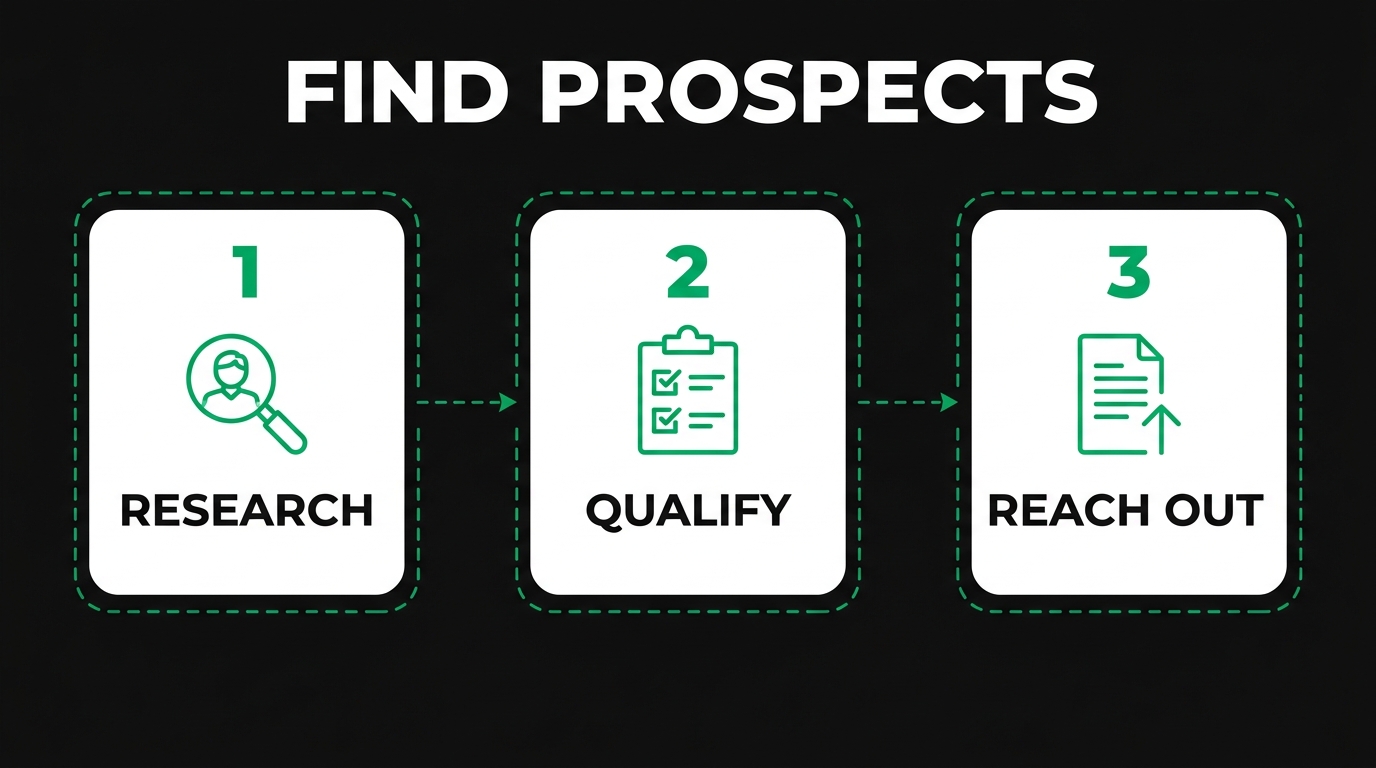
You conduct a step-by-step competitor backlink analysis for a manufacturing site by defining audit scope, exporting consolidated competitor link data, filtering low-value domains, categorizing links by source type, and surfacing gaps where competitors hold authority you do not. The workflow ends with a prioritized acquisition list mapped to procurement-funnel themes.
How Do You Define the Scope and Goals of the Backlink Audit?
You define the scope and goals of the backlink audit by stating the target query set, the competitor cohort, the time window, and the business outcome the audit must serve, such as RFQ growth on a specific process or pipeline lift in a target vertical. Document the priority processes, materials, and certifications upfront. Choose three to seven competitors representing the SERP landscape, not a longer list that dilutes attention. Cap the time window at the most recent 24 months of links to keep the dataset current.
Tie every audit step back to the named outcome. For broader competitive context across industrial SEO, our deeper competitor analysis for industrial seo walkthrough covers complementary keyword and technical layers.
How Do You Export and Consolidate Competitor Backlink Data?
You export and consolidate competitor backlink data by running each chosen tool against every competitor domain at the root level, exporting all referring domains and per-link rows in CSV, then merging into a single master sheet keyed on referring domain. Standardize column names across exports: referring_domain, referring_url, target_url, anchor_text, link_type, first_seen, last_seen, source_authority. Tag each row with the originating tool to track index coverage. Deduplicate at the referring-domain level for the strategic view, but preserve per-link rows for anchor-text and contextual analysis. Add a column for the competitor that earned the link so the consolidated sheet supports both per-competitor and overlap views.
How Do You Filter Out Spam, Low-Quality, and Irrelevant Domains?
You filter out spam, low-quality, and irrelevant domains by removing referring domains with no topical relationship to manufacturing, deflated authority scores from known PBN networks, language-mismatched domains targeting unrelated regions, and bulk-directory or scraped-content sites.
Drop domains with referring page counts in the millions and outbound link counts that exceed a natural editorial pattern. Retain .gov, .edu, .org, and recognized trade-publication TLDs even at lower authority scores because their topical and trust signals outweigh raw metrics.
How Do You Categorize Backlinks by Source Type and Industry Relevance?
You categorize backlinks by source type and industry relevance by tagging each remaining referring domain with a source class (trade publication, engineering directory, certification body, association, university, government, supplier blog, news media) and an industry-relevance score based on whether the linking page covers your process, material, or certification space. Build a controlled taxonomy of source types so analysts apply tags consistently. Score relevance on a three-point scale: fully aligned, partially aligned, peripheral. The combined source-type and relevance tags reveal which categories competitors win that you do not, and they feed the gap analysis directly. Reuse the taxonomy across audits so quarter-over-quarter comparisons stay valid.
How Do You Identify Link Gaps Between Your Site and Competitors?
You identify link gaps between your site and competitors by computing the set difference of referring domains: list every domain linking to two or more competitors but not to you, then sort by source authority, industry relevance, and procurement-funnel stage. Cross-reference each gap domain with the editorial calendar where possible to spot publications running active series. Flag domains linking to all competitors, since those are baseline industry citations you must close immediately. Group remaining gaps by source class to translate the list into outreach campaigns: a directory campaign, a trade-press campaign, an association-page campaign. The categorized gap list becomes the input to the link-pattern review in the next chapter.
What Patterns Should You Look For in Competitor Manufacturing Backlinks?
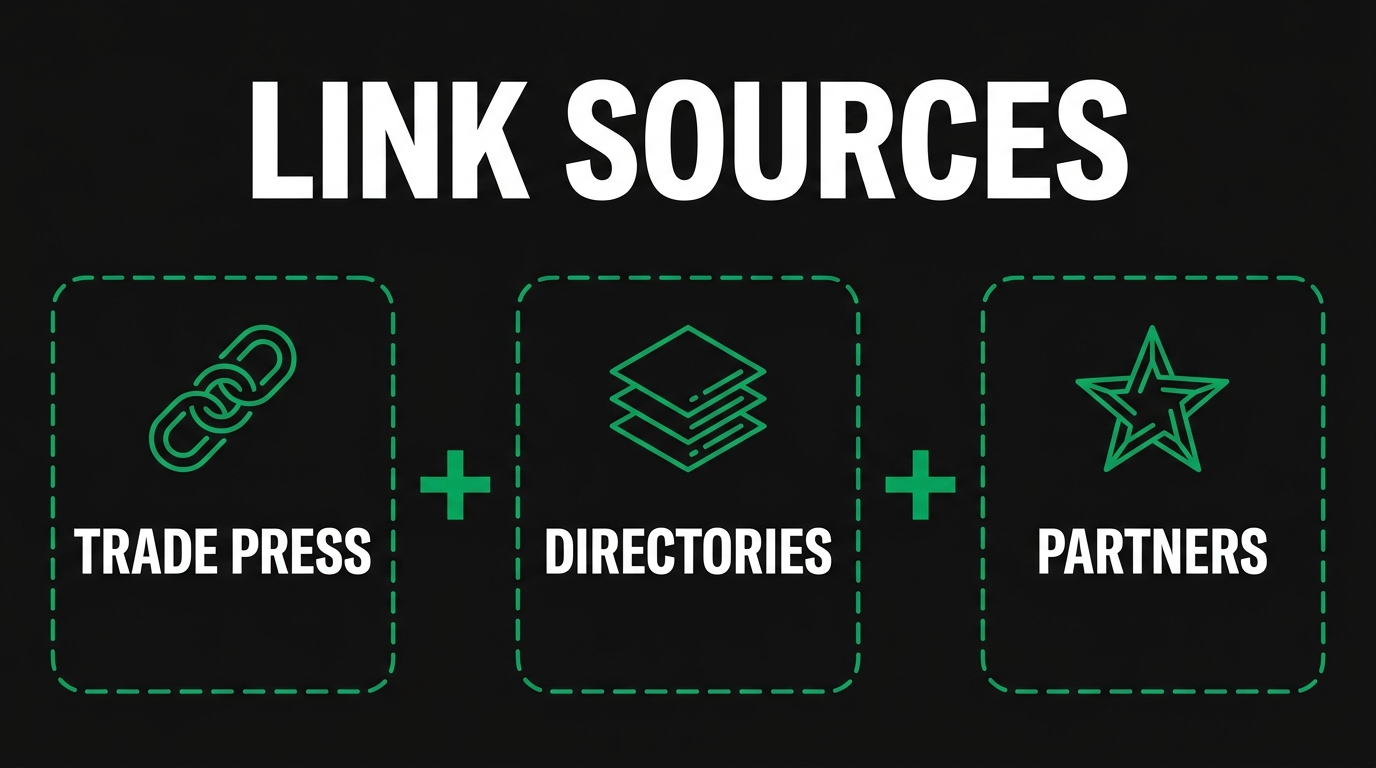
The patterns you should look for in competitor manufacturing backlinks include recurring trade publications across multiple competitors, supplier-directory citations, certification-body listings, and association memberships that pass topical authority. These four pattern classes account for most of the editorial weight competing manufacturers earn in procurement search.
Which Trade Publications Consistently Appear in Industrial Backlink Profiles?
Trade publications that consistently appear in industrial backlink profiles include process-specific journals (machining, fabrication, additive), material-specific outlets (composites, metals, polymers), vertical magazines (aerospace, medical, automotive), and standards-body bulletins. Identify recurrence by counting how many competitor profiles contain at least one link from each publication, then ranking by editorial reach and topical alignment. Publications that link to three or more competitors in your set are baseline targets; publications that link to one outlier competitor signal a niche editorial relationship worth investigating. Track contributor bylines too, since freelance editors often move between titles and a relationship with a writer compounds across publications. Use the top manufacturing trade publications for content submission shortlist to seed the outreach roster.
How Do Engineering Directories and Supplier Networks Contribute Authority?
Engineering directories and supplier networks contribute authority by sending procurement-intent referral traffic, providing topically aligned dofollow links from high-trust .com and .org domains, and signaling supplier legitimacy to algorithms scoring entity authority. Directories built around process and material taxonomies, including those structured by NAICS code, pass relevance signals that a generic web directory cannot. Procurement-driven supplier networks combine listing pages with company-detail pages that deepen topical association.
Earning placements requires verified company data, current certification scans, and continuous catalog updates.
What Role Do Certification Bodies and Standards Organizations Play?
Certification bodies and standards organizations play a foundational authority role by hosting public registries that link directly to certified suppliers, giving algorithms a verified entity-to-domain association that few link sources match. The Online Aerospace Supplier Information System, an online resource containing a list of suppliers certified or registered under International Aerospace Quality Group rules to comply with the aerospace quality management system requirements (9100 series), is a canonical example: any AS9100 supplier omitted from OASIS forfeits both the link and the credential. Comparable registries exist for IATF 16949 in automotive and ISO 13485 in medical devices. Audit competitors for missing registry entries; gaps often signal lapsed certifications or weak administrative follow-through worth exploiting.
How Do Association Memberships Translate Into Link Equity?
Association memberships translate into link equity through member-directory pages, committee-roster listings, event-speaker bios, and whitepaper co-author credits hosted on association domains, which typically carry strong .org topical authority. Active membership often unlocks contributor channels: technical articles in association journals, sponsorship pages, and committee-output documents that link back to member companies. Inactive membership produces only the directory line, which still passes equity but at a fraction of the active-participation total. Audit which associations link to each competitor and at what depth (directory only versus committee plus content), then map the gap to membership investments worth making. The patterns identified here become the inputs to the outreach strategy in the next chapter.
How Do You Turn Backlink Insights Into a Manufacturing Link-Building Strategy?
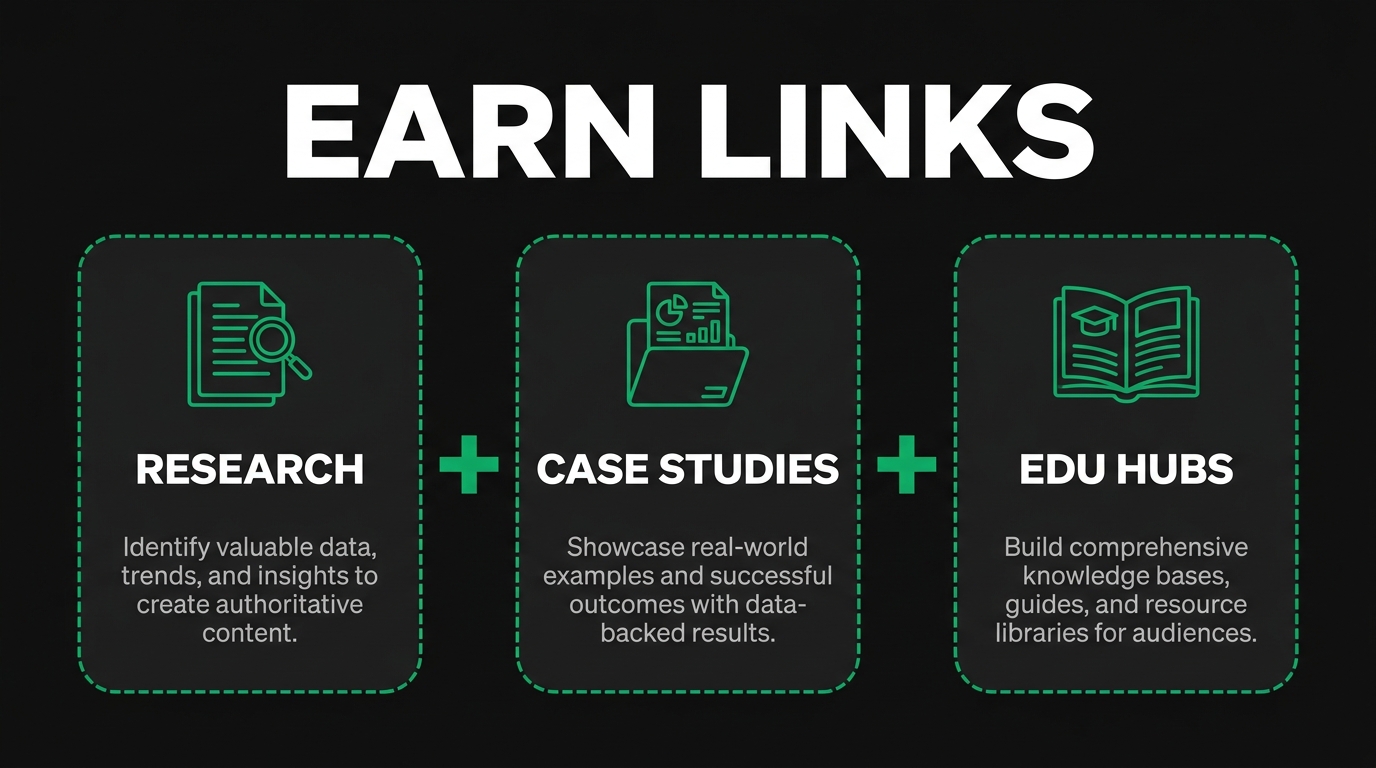
You turn backlink insights into a manufacturing link-building strategy by prioritizing gap targets, building content assets the targets cite, pitching trade editors with manufacturing-specific angles, and tracking outreach conversion through to earned-link velocity. The strategy converts audit data into an executable quarterly roadmap.
How Do You Prioritize Outreach Targets From the Gap Analysis?
You prioritize outreach targets from the gap analysis by scoring each gap domain on three axes: source authority within manufacturing media, topical alignment with your priority procurement queries, and likelihood of placement based on existing relationships or pitch difficulty. Sort the resulting score; the top quartile receives concierge outreach while the middle quartile feeds template-driven campaigns. Domains linking to multiple competitors deserve faster cadence because they have already demonstrated openness to similar suppliers.
De-prioritize domains with single-competitor links unless the editorial relationship is publicly traceable.
Which Content Assets Earn Links Most Reliably in Industrial Niches?
The content assets that earn links most reliably in industrial niches include original process data and benchmarks, material-test datasets, certification process explainers, technical case studies with measurable RFQ outcomes, and reference glossaries for process terminology. Trade editors prize quantitative data because their readers (engineers and purchasing managers) demand specifics. Build assets around your shop-floor evidence: tolerance studies on a specific material grade, throughput benchmarks for a process configuration, scrap-rate analyses tied to a quality system. Reference glossaries earn long-tail links because writers need quick definitions. Avoid generic listicles, which industrial editors reject. Pair each asset with a clear citation hook so the editor's quote-and-link decision is obvious.
How Do You Pitch Trade Editors With a Manufacturing Angle?
You pitch trade editors with a manufacturing angle by leading with a specific data point, naming the process and material grade in the subject line, citing the editorial beat the publication owns, and offering a contributed article or expert quote backed by shop-floor evidence. Skip generic press-release language; trade editors filter ruthlessly for specificity. Demonstrate familiarity with prior coverage by referencing two or three recent articles. Offer photographs of the shop floor and named engineering contacts.
Volume is irrelevant; relevance and credibility close placements.
How Do You Track Outreach Conversion and Earned Link Velocity?
You track outreach conversion and earned link velocity by logging every pitch in a CRM-grade outreach sheet with status fields (sent, opened, replied, placed, declined), tagging each placed link with target URL and anchor text, then computing weekly placement rate and per-source velocity. Earned-link velocity is the count of new links per source class per week, segmented by trade press, directory, association, and certification body. Compare velocity to forecast: a campaign forecasting four trade-press placements per month should hit one per week. Investigate variance: if pitches open but do not place, the angle needs refinement; if pitches do not open, the subject line and sender reputation need work. Velocity feeds the measurement framework in the next chapter.
How Do You Measure the Impact of Your Manufacturing Backlink Program?
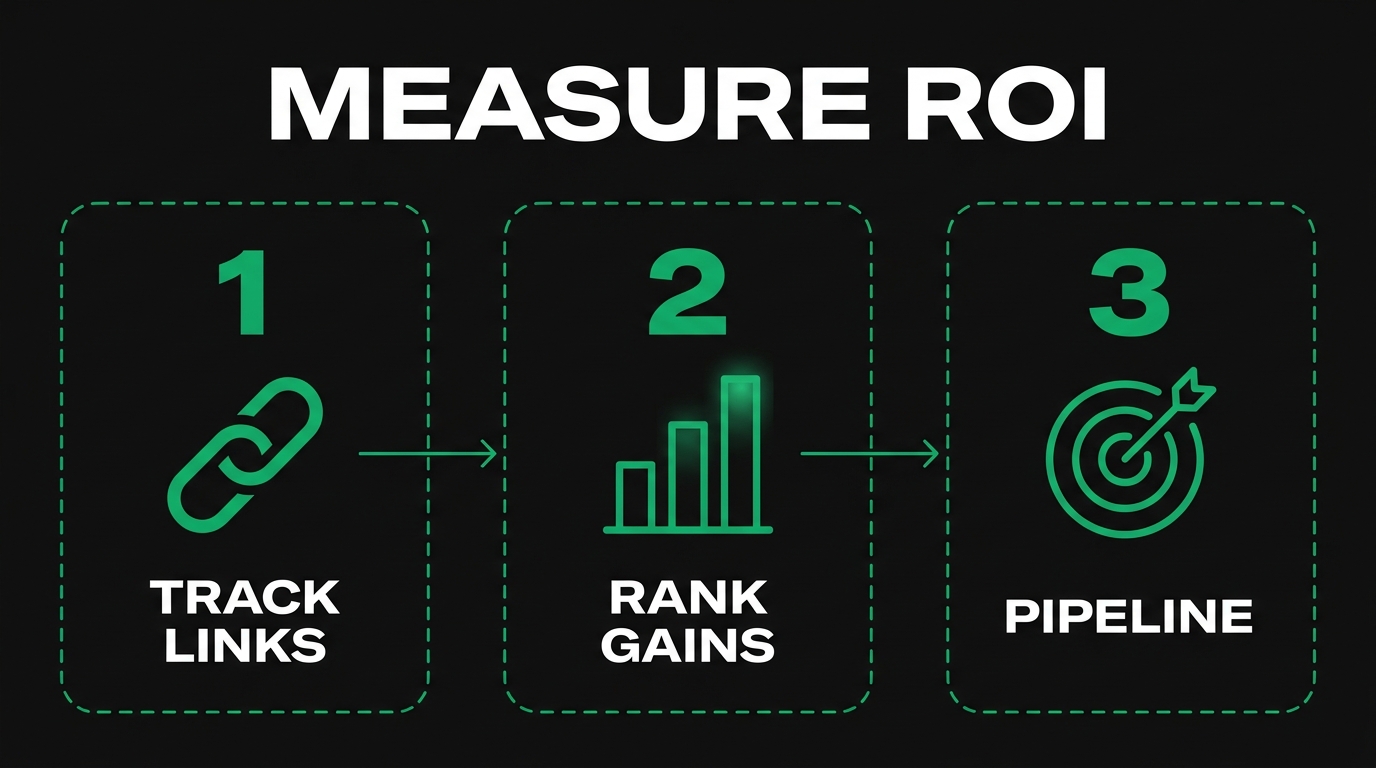
You measure the impact of your manufacturing backlink program by tracking referring-domain growth, query-level ranking lift, RFQ attribution, and pipeline value tied to organic sessions from procurement-intent queries. The measurement framework reports on link, ranking, and revenue layers in parallel.
Which KPIs Indicate a Healthy Industrial Backlink Profile?
The KPIs that indicate a healthy industrial backlink profile are referring domain count from manufacturing-relevant sources, share of links from trade publications and certification bodies, average source authority of new links, anchor-text diversity, and link velocity matched to industry editorial cycles. Track lost-link rate as a leading indicator of profile decay. A healthy profile shows steady referring-domain growth (5-10% quarter over quarter for established sites), balanced anchor distribution avoiding over-optimization on commercial terms, and a rising share from process-specific publications.
Maintain a quarterly health scorecard so trends surface before penalties land.
How Do You Connect Backlink Growth to RFQs and Pipeline Value?
You connect backlink growth to RFQs and pipeline value by tagging organic landing pages with UTM-style attribution, joining session data to CRM RFQ records, then computing average RFQ value per organic session per landing page and rolling that up by the link campaigns that lifted those pages. Configure the analytics layer to record source query when available; procurement queries that surface RFQs deserve the highest attribution weight. Build a cohort view: pages that gained five or more new referring domains in a quarter should show measurable ranking and RFQ uplift relative to control pages. Tie deal-stage progression and closed-revenue back to the originating organic visit. Reporting at the link-to-revenue level is what justifies sustained PR spend.
How Often Should Manufacturers Re-Audit Competitor Backlinks?
Manufacturers should re-audit competitor backlinks quarterly for active programs and at least semiannually for maintenance, with mid-quarter spot checks when a competitor publishes a major announcement, files a patent, or achieves a new certification. Quarterly cadence aligns with editorial publishing cycles and gives outreach campaigns a full sprint to convert before the next benchmark. Semiannual audits suffice for stable verticals with low link velocity. Trigger an off-cycle audit whenever a competitor's domain authority moves more than five points or organic traffic shifts more than 20% on shared queries. Document the cadence in the SEO calendar so re-audits are budgeted and executed on schedule.
How Do You Report Backlink Performance to Engineering and Procurement Stakeholders?
You report backlink performance to engineering and procurement stakeholders by translating link metrics into the language of supplier credibility, RFQ flow, and pipeline value, then layering technical detail only where the audience requests it. Engineering audiences respond to citations from peer-recognized authorities; show which trade publications and standards bodies now cite your shop. Procurement audiences respond to RFQ origin data; show which referring-domain campaigns drove qualified inquiries.
Translation, not data dumps, drives executive buy-in.
How Should You Approach Competitor Backlink Analysis With Manufacturing SEO Agency?
You should approach competitor backlink analysis with Manufacturing SEO Agency by combining the audit framework above with a manufacturing-only partner that operates across CNC machining, injection molding, metal fabrication, additive manufacturing, aerospace, automotive, and other regulated verticals. Manufacturing SEO Agency runs the work as industrial seo specialists for B2B manufacturers selling into procurement-driven supply chains.
Can Manufacturing SEO Agency's Industrial Link Building Service Strengthen Your Backlink Profile?
Manufacturing SEO Agency's industrial link building service can strengthen your backlink profile by combining manufacturing audit and competitive intelligence with PR-grade editorial outreach to trade publications and high-traffic industry media. The engagement pairs a competitor backlink audit with a procurement-intent keyword architecture so every earned link points at a page mapped to an RFQ-stage query. Manufacturing SEO Agency's industrial link building services target trade journals, certification registries, association pages, and engineering directories that buyers actually consult. The team understands the difference between AS9100, ISO 13485, NADCAP, and IATF 16949, so pitches land in the right editorial inbox.
What Are the Key Takeaways About Competitor Backlink Analysis for Manufacturing We Covered?
The key takeaways about competitor backlink analysis for manufacturing we covered are that the discipline starts with defining backlink analysis for industrial websites, justifies investment by tying links to procurement-query rankings, identifies true competitors at the process and certification level, selects tools that surface industrial-grade link data, and executes a structured audit through scope definition, export, filter, categorize, and gap analysis. The pattern review focuses on trade publications, engineering directories, certification bodies, and association memberships that consistently lift competitors in industrial search. The strategy layer prioritizes outreach targets, builds linkable content assets, pitches trade editors with manufacturing-specific angles, and tracks earned-link velocity. The measurement layer reports on referring-domain growth, ranking lift, RFQ attribution, and pipeline value, with quarterly re-audits keeping the program responsive to competitor moves. Manufacturing SEO Agency runs this end-to-end workflow for industrial clients in regulated verticals.