The best SEO competitor analysis tools for manufacturers are platforms that map procurement-intent keywords, expose backlink graphs, and quantify share of voice across process, material, and certification queries that engineers and purchasing managers actually type. We use these tools to reverse-engineer the rivals already winning RFQ-driven traffic in industrial SERPs.
This guide covers the foundations of industrial competitor analysis, evaluation criteria for tool selection, leading all-in-one platforms, specialized backlink and content gap utilities, the workflow manufacturers should follow, common mistakes to avoid, and how a manufacturing-only partner can operationalize the work.
We define what SEO competitor analysis means inside an industrial B2B context, where buyers research suppliers across multiple sessions and where certifications gate the shortlist.
We outline the criteria that separate a useful tool from a generic one, including data-source coverage, keyword-gap depth, backlink intelligence, and pricing fit for manufacturing budgets.
We compare all-in-one platforms such as Ahrefs, Semrush, Moz Pro, SE Ranking, and Similarweb, then move to specialized utilities for trust-flow mapping, paid-organic overlap, SERP feature gaps, and emerging AI-search visibility.
We finish with a step-by-step workflow tied to RFQ pipeline reporting and the most common mistakes manufacturers make when picking competitor SEO tools.
What Is SEO Competitor Analysis for Manufacturers?
SEO competitor analysis for manufacturers is the systematic study of how rival industrial suppliers earn organic visibility for process, material, and certification queries that procurement buyers and design engineers type when sourcing parts. The next sections explain how this differs from generic B2C analysis, why procurement intent reshapes tooling needs, and which signals matter most.
How Does SEO Competitor Analysis Differ in Industrial B2B Markets?
SEO competitor analysis differs in industrial B2B markets because the buyer is a procurement professional researching suppliers across long, multi-session journeys, not a consumer making a quick choice.
Industrial queries also blend process names, material grades, and certifications, so analysis must measure ranking depth across hundreds of long-tail combinations rather than head terms. For a deeper foundational view, our what is industrial seo primer expands the concept.
Why Do Procurement-Intent Queries Require Specialized Competitor Tools?
Procurement-intent queries require specialized competitor tools because generic keyword databases under-sample low-volume but high-value industrial terms. Specialized tools surface RFQ-driven phrases, certification-gated terms (AS9100, ISO 9001, NADCAP, IATF 16949), and process-material combinations rivals already rank for.
Which Competitor Signals Matter Most for Manufacturing SEO?
The competitor signals that matter most for manufacturing SEO are organic keyword overlap on procurement-intent terms, referring-domain quality from trade publications, topical depth across process and material clusters, and SERP feature coverage including AI Overviews.
This sets up the evaluation criteria in the next section.
What Criteria Should Manufacturers Use to Evaluate SEO Competitor Analysis Tools?
The criteria manufacturers should use to evaluate SEO competitor analysis tools are data-source breadth, keyword-gap precision on industrial queries, backlink intelligence depth, and pricing alignment with manufacturing budgets. The H3s below break each criterion into actionable checks.
Which Data Sources Should an Industrial SEO Tool Cover?
The data sources an industrial SEO tool should cover are global keyword indexes, backlink graphs spanning trade publications, SERP feature coverage including AI Overviews, and monthly export and production indicators tied to NAICS sectors.
How Important Is Keyword Gap Analysis for Process and Material Queries?
Keyword gap analysis is critical for process and material queries because procurement buyers search at the intersection of action plus substrate, such as "anodizing 6061 aluminum" or "TIG welding inconel 625."
What Backlink Intelligence Features Should Manufacturers Look For?
The backlink intelligence features manufacturers should look for are referring-domain quality scoring, anchor-text distribution by topic, broken-backlink discovery, and trade-publication coverage indicators. A tool should also tie backlink growth to ranking movement on procurement-intent terms.
Our best backlink analysis tools for manufacturing review compares platforms head-to-head on these features for industrial use.
How Should Manufacturers Weigh Pricing Against Feature Depth?
Manufacturers should weigh pricing against feature depth by mapping monthly subscription cost against the number of competitors tracked, queries indexed, and historical depth provided.
Next we compare the leading all-in-one platforms.
Which Are the Best All-in-One SEO Competitor Analysis Tools for Manufacturers?
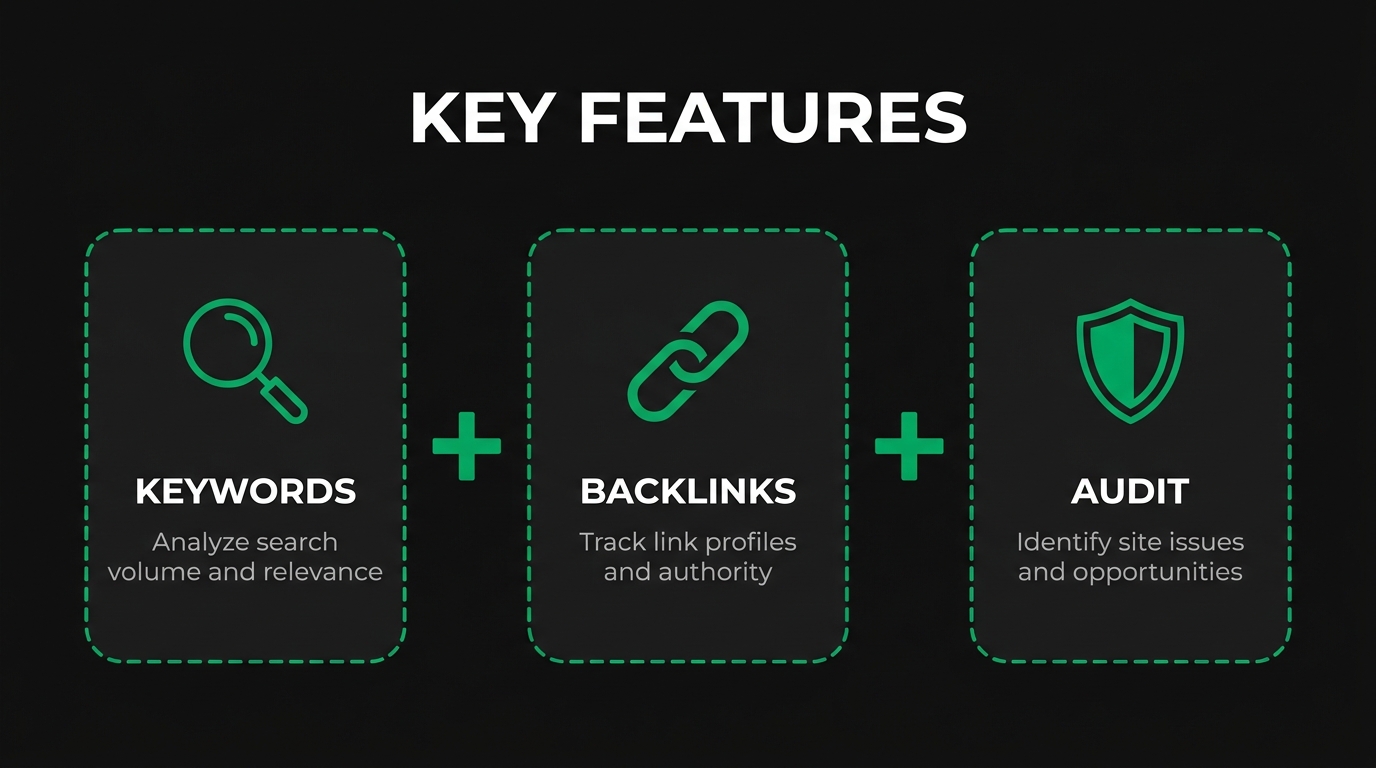
The best all-in-one SEO competitor analysis tools for manufacturers are Ahrefs, Semrush, Moz Pro, SE Ranking, and Similarweb, each combining keyword, backlink, and SERP data inside one interface. We compare each platform's industrial fit below.
How Does Ahrefs Support Manufacturing Competitor Research?
Ahrefs supports manufacturing competitor research with one of the largest backlink indexes, deep keyword databases, and content-gap reporting that surfaces process and material queries rivals already win.
What Makes Semrush a Strong Choice for Industrial Keyword Gap Analysis?
Semrush is a strong choice for industrial keyword gap analysis because its Keyword Gap and Topic Research modules quickly surface long-tail process-material combinations and the SERP feature mix around them. Semrush also tracks AI Overview presence, which matters as procurement buyers increasingly start research inside AI-generated answers.
How Does Moz Pro Help Manufacturers Track Domain Authority Movement?
Moz Pro helps manufacturers track domain authority movement through its Domain Authority and Page Authority metrics, link-profile comparison views, and rank-tracker dashboards. The platform's link explorer is straightforward enough for procurement-intent benchmarking.
Our walkthrough on how to use moz link explorer for industrial SEO covers the workflow we follow on engagements.
When Should Manufacturers Choose SE Ranking or Similarweb?
Manufacturers should choose SE Ranking when budget pressure favors a lower-cost rank tracker plus competitive research bundle, and Similarweb when traffic-source diagnostics and benchmark visit data matter more than raw backlink depth.
Specialized backlink and gap tools follow next.
What Are the Best Specialized Tools for Backlink and Content Gap Analysis?
The best specialized tools for backlink and content gap analysis are Majestic for trust-flow mapping, SpyFu for paid-organic overlap, Sistrix or AlsoAsked for SERP feature gaps, and emerging AI-search visibility platforms for LLM citation tracking. Each H3 below covers one tool category.
How Does Majestic Help Industrial Brands Map Trust Flow?
Majestic helps industrial brands map trust flow through its Trust Flow and Citation Flow scores, topical trust-flow categories, and historical link-graph snapshots that distinguish editorial trade-publication links from low-value directories.
Our preferred starting point for backlink benchmarking is our best backlink analysis tools for manufacturing comparison and our best backlink analysis tools for competitive research primer.
What Does SpyFu Reveal About Competitor Paid and Organic Overlap?
SpyFu reveals competitor paid and organic overlap by exposing the keywords rivals bid on, the ad copy they run, and the organic terms they rank for in parallel. SpyFu also surfaces historical SERP movement, which we use to spot rivals shifting investment between paid and organic.
Which Tools Surface Featured Snippet and SERP Feature Gaps?
Tools that surface featured snippet and SERP feature gaps include AlsoAsked for People Also Ask trees, Sistrix Visibility Index for SERP feature presence, and Ahrefs SERP Features filters.
Our work on competitor backlink analysis manufacturing walks through the SERP feature inventory we use to map snippet gaps for industrial brands.
How Do AI-Search Visibility Tools Track LLM Citation Coverage?
AI-search visibility tools track LLM citation coverage by monitoring brand mentions inside ChatGPT, Perplexity, Google AI Overviews, and similar outputs, then mapping which source pages the LLMs cite.
Our top manufacturing trade publications for content submission guide explains where to earn the kind of citations LLMs reference. The next section moves from tools to workflow.
How Should Manufacturers Run a Competitor Analysis Workflow With These Tools?
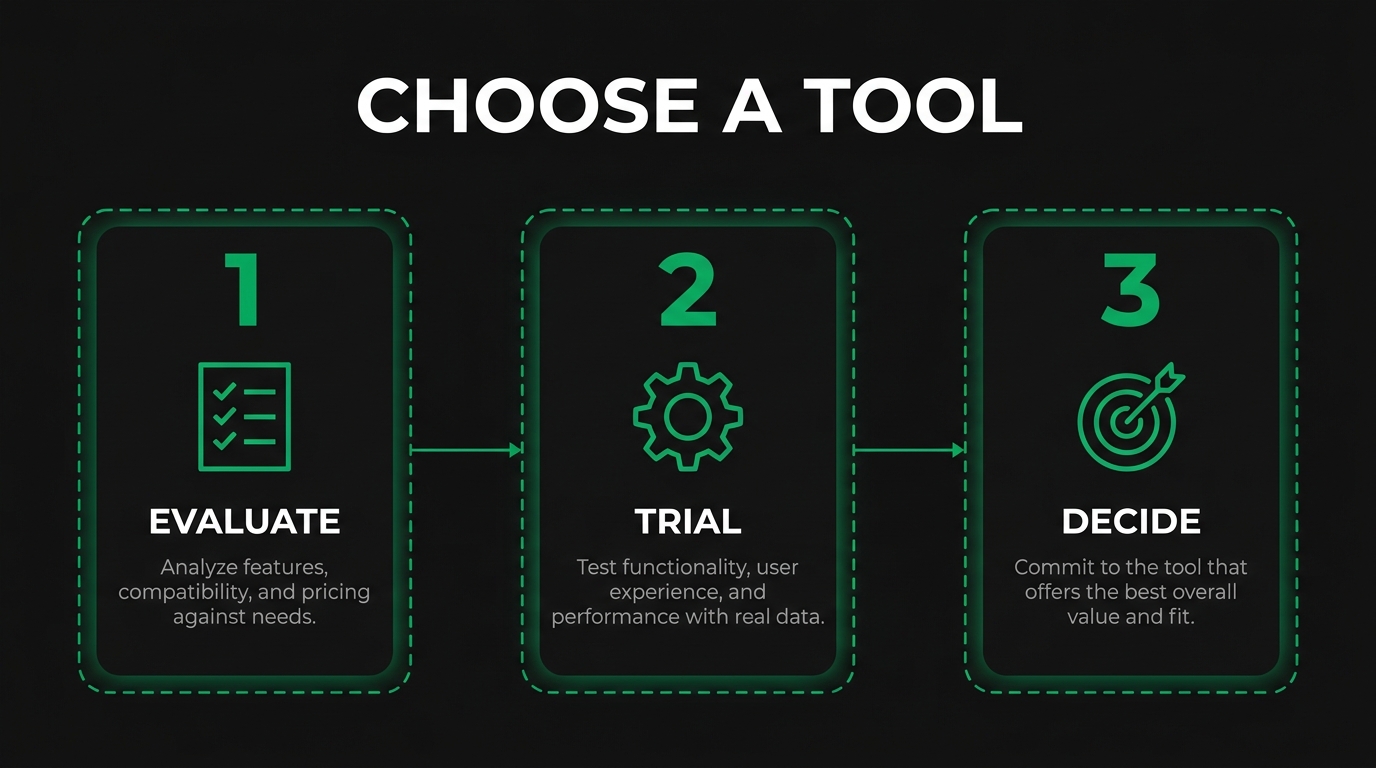
Manufacturers should run a competitor analysis workflow that identifies true industrial rivals, audits their procurement-intent footprint, repeats on a measured cadence, and ties reporting back to RFQ pipeline value. The four H3s break the workflow into specific steps.
How Do You Identify Your True Industrial SEO Competitors?
You identify your true industrial SEO competitors by listing every domain that ranks above you for procurement-intent process-material-certification queries, then narrowing to those overlapping on at least 30% of your target keywords. Cross-reference SERP overlap with Similarweb traffic-source data for accuracy.
Our competitor analysis for industrial seo checklist details every step.
What Is the Step-by-Step Process for a Procurement-Intent Competitor Audit?
The step-by-step process for a procurement-intent competitor audit is: build the keyword universe from process-material-certification combinations, run keyword-gap reports, audit competitor backlink graphs by referring domain quality, compare topical map completeness, and quantify SERP feature presence. The audit must end with a prioritized action list.
Our competitive seo analysis manufacturing industry guide ties the steps together.
How Often Should Manufacturers Repeat the Competitor Analysis Cycle?
Manufacturers should repeat the competitor analysis cycle quarterly for full deep audits and monthly for keyword-position and backlink-velocity monitoring.
Which Reporting Metrics Should Tie Back to RFQ Pipeline?
The reporting metrics that should tie back to RFQ pipeline are organic sessions per procurement-intent cluster, ranking depth on certification-gated terms, RFQ form submissions sourced from organic, and closed-revenue attribution per topical map branch.
Bridge to common mistakes manufacturers make follows next.
What Are Common Mistakes Manufacturers Make When Choosing Competitor SEO Tools?
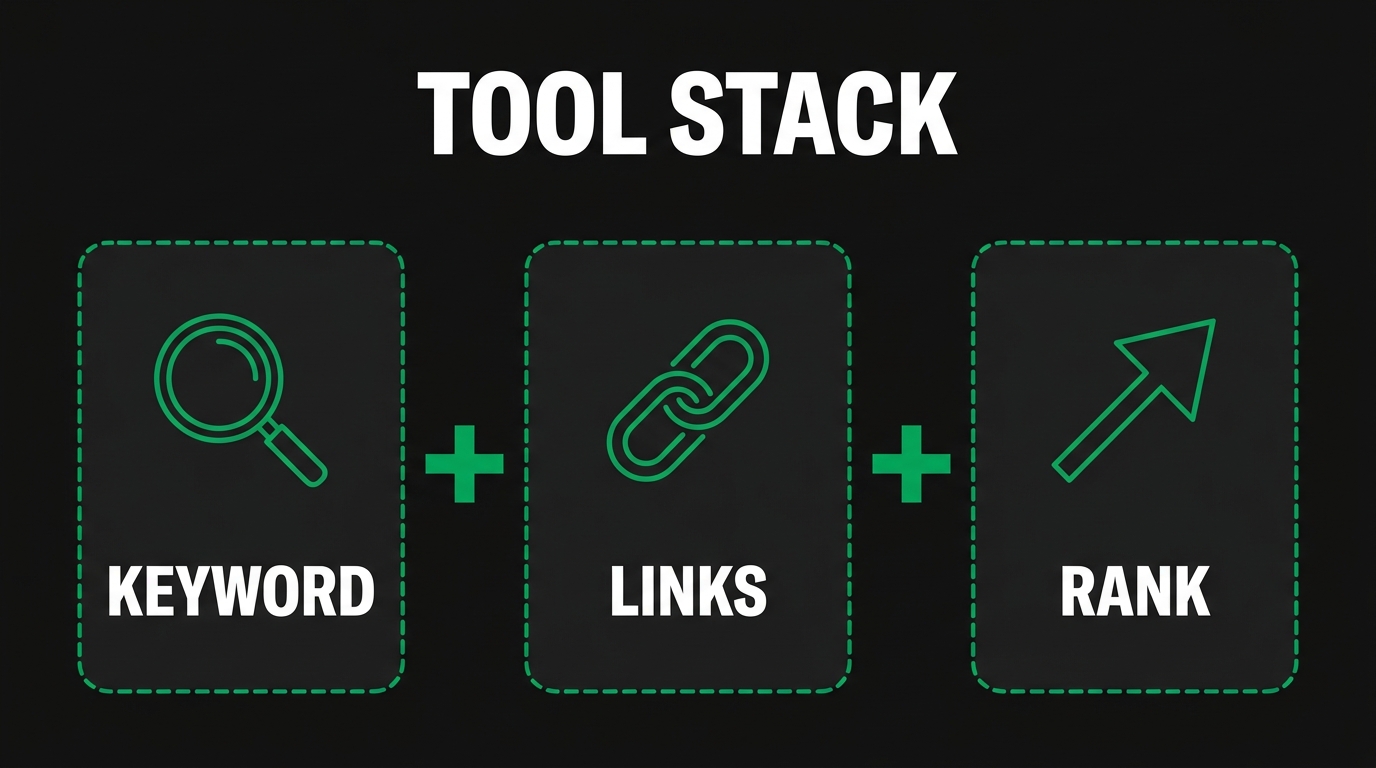
The common mistakes manufacturers make when choosing competitor SEO tools are picking generic platforms tuned for B2C keywords, relying on free tiers that under-index industrial terms, and chasing vanity metrics that ignore RFQ outcomes. Each H3 covers one mistake.
Why Does Picking a Generic SEO Tool Hurt Industrial Rankings?
Picking a generic SEO tool hurts industrial rankings because most platforms over-weight high-volume B2C terms and miss the long-tail process-material-certification combinations procurement buyers actually use. Generic tools also lack trade-publication backlink visibility.
How Do Free Tools Fall Short for Procurement-Intent Research?
Free tools fall short for procurement-intent research because they cap competitor counts, limit historical depth, and exclude SERP feature filters that industrial queries depend on. Free tiers also rarely cover AI Overview presence.
Which Vanity Metrics Should Manufacturers Ignore?
The vanity metrics manufacturers should ignore are total backlink count without quality scoring, raw monthly traffic without procurement-intent filtering, social share counts, and Domain Authority deltas under five points.
The bridge to choosing the right partner follows.
How Should You Approach Manufacturing Competitor SEO With Manufacturing SEO Agency?
You should approach manufacturing competitor SEO with Manufacturing SEO Agency by treating tools as inputs and the procurement-intent strategy layered on top as the actual product. Manufacturing SEO Agency is an industrial-only SEO firm that maps competitor footprints across process, material, and certification queries.
How Can Manufacturing SEO Agency's Competitive Intelligence Service Surface Procurement-Intent Gaps?
Manufacturing SEO Agency's competitive intelligence service surfaces procurement-intent gaps by reverse-engineering every competitor ranking above a client across process, material, and certification clusters, then mapping the keyword and link gaps that block share of voice.
Manufacturing SEO Agency pairs this audit with industrial link building services to close the trade-publication gap rivals depend on.
What Are the Key Takeaways About SEO Competitor Analysis Tools for Manufacturers?
The key takeaways about SEO competitor analysis tools for manufacturers are: choose platforms that index industrial long-tail terms, weight backlink quality from trade publications above raw counts, run gap audits at the process-material-certification grain, repeat the cycle on a monthly-and-quarterly cadence, and tie every metric back to RFQ pipeline and closed revenue.