The best local lead generation strategies for industrial companies are coordinated tactics that capture procurement-intent searches in a defined geographic radius using Google Business Profile, location-specific service pages, NAP-consistent citations, verified reviews, and localized content tied to nearby supply chains. These strategies route engineers, purchasing managers, and operations leaders to qualified manufacturing suppliers within their sourcing region.
This guide covers why local lead generation matters for industrial manufacturers, how Google Business Profile drives qualified RFQs, the on-page tactics that lift local rankings, the directory and citation work that anchors trust, the review systems that convert procurement buyers, the localized content engine that compounds geographic authority, paid plus organic channel coordination, ROI measurement, and a full local strategy build.
The market section explains how local buyer behavior, procurement preference for proximate suppliers, and geographic signals shape industrial sourcing decisions inside a defined trade area.
The Google Business Profile section maps category selection, multi-facility profile architecture, and the post, photo, and Q&A content that converts local industrial buyers into RFQs.
The on-page section covers location-specific service page structure, schema markup for industrial sites, and NAP consistency as the core trust foundation that local algorithms reward.
Directory and review sections explain which industrial citation sources drive RFQ volume, how to audit and clean existing listings, the niche vertical platforms that outperform general directories, and how to earn, place, and respond to reviews from procurement buyers.
The closing measurement and strategy sections cover KPIs, attribution, reporting cadence, and how to assemble a full local SEO program.
Why Does Local Lead Generation Matter for Industrial Manufacturers?
Local lead generation matters for industrial manufacturers because procurement buyers shortlist suppliers inside a defined sourcing radius, route urgent RFQs to nearby shops, and rely on geographic trust signals that compound over time. The next sub-sections cover buyer search behavior, procurement preference for local suppliers, and the geographic signals that shape sourcing.
How Do Local Buyers Search for Industrial Suppliers Near Them?
Local buyers search for industrial suppliers near them by combining process and material queries with geographic modifiers, city names, and NAICS-aligned capability terms inside Google Search, Google Maps, and vetted industrial directories. Modern buyers compress supplier discovery into mobile-first local search, then validate shortlists against capability pages, certifications, and equipment lists. This is the foundation of local seo for industrial businesses, which routes regional procurement intent to qualified shops.
Why Do Procurement Teams Prefer Local Suppliers for Critical Components?
Procurement teams prefer local suppliers for critical components because shorter shipping windows, faster on-site audits, and lower freight risk reduce program cost and supply chain exposure. Local suppliers also support faster engineering change cycles, in-person FAI reviews, and same-day quality interventions when a part fails inspection.
Procurement leaders weight proximity heavily for tooled programs where lead time and rework recovery dominate program economics.
What Geographic Signals Influence Industrial Buyer Decisions?
The geographic signals that influence industrial buyer decisions are shop location relative to the buyer's plant, freight corridor coverage, regional certification clusters, state-level incentive zones, and proximity to ports and rail. Buyers evaluate signals such as physical address verification, multi-facility footprint, drive-time to receiving docks, and concentration of similar capability density inside the same metro.
These signals reach buyers through map-pack rankings, structured location data, and citation consistency, which sets up the Google Business Profile work covered next.
How Does Google Business Profile Drive Local Industrial Leads?
Google Business Profile drives local industrial leads by surfacing manufacturing facilities inside the local pack, routing map searches to verified addresses, and exposing capability data, photos, and reviews that procurement buyers use to shortlist suppliers. The sub-sections cover categories, multi-facility setup, and on-profile content.
What GBP Categories and Attributes Should Industrial Manufacturers Use?
The GBP categories and attributes industrial manufacturers should use are precise process-aligned primary categories such as "Manufacturer," "Machine Shop," "Metal Fabricator," "Plastic Injection Molding Service," or "Welding Supply Store," paired with secondary categories that mirror every billable capability. Add attributes covering certifications, on-site capabilities, equipment lists, and language support so the profile matches procurement filter logic.
How Do You Optimize a Google Business Profile for Multi-Facility Operations?
You optimize a Google Business Profile for multi-facility operations by claiming each plant as a separate verified location, assigning unique primary categories where capabilities differ, and synchronizing NAP, hours, and category data through bulk management or the GBP API. Create distinct landing pages for each facility, link the GBP profile to the correct facility page, and add unique photos, equipment lists, and certifications per location.
A complete gbp multi-location strategy for industrial companies covers governance, owner permissions, duplicate suppression, and reporting cadence.
Which GBP Posts, Photos, and Q&A Content Convert Local Buyers?
The GBP posts, photos, and Q&A content that convert local buyers are equipment showcases, capability spotlights, finished part galleries with material and tolerance captions, certification announcements, and procurement-focused Q&A entries answering common buyer filter questions.
Post weekly capability updates, highlight new tooling installs, and use the Q&A field to pre-answer common questions about lot sizes, lead times, certifications, NDA workflows, and material grades so buyers self-qualify before clicking through. That on-profile foundation carries over into on-page tactics covered next.
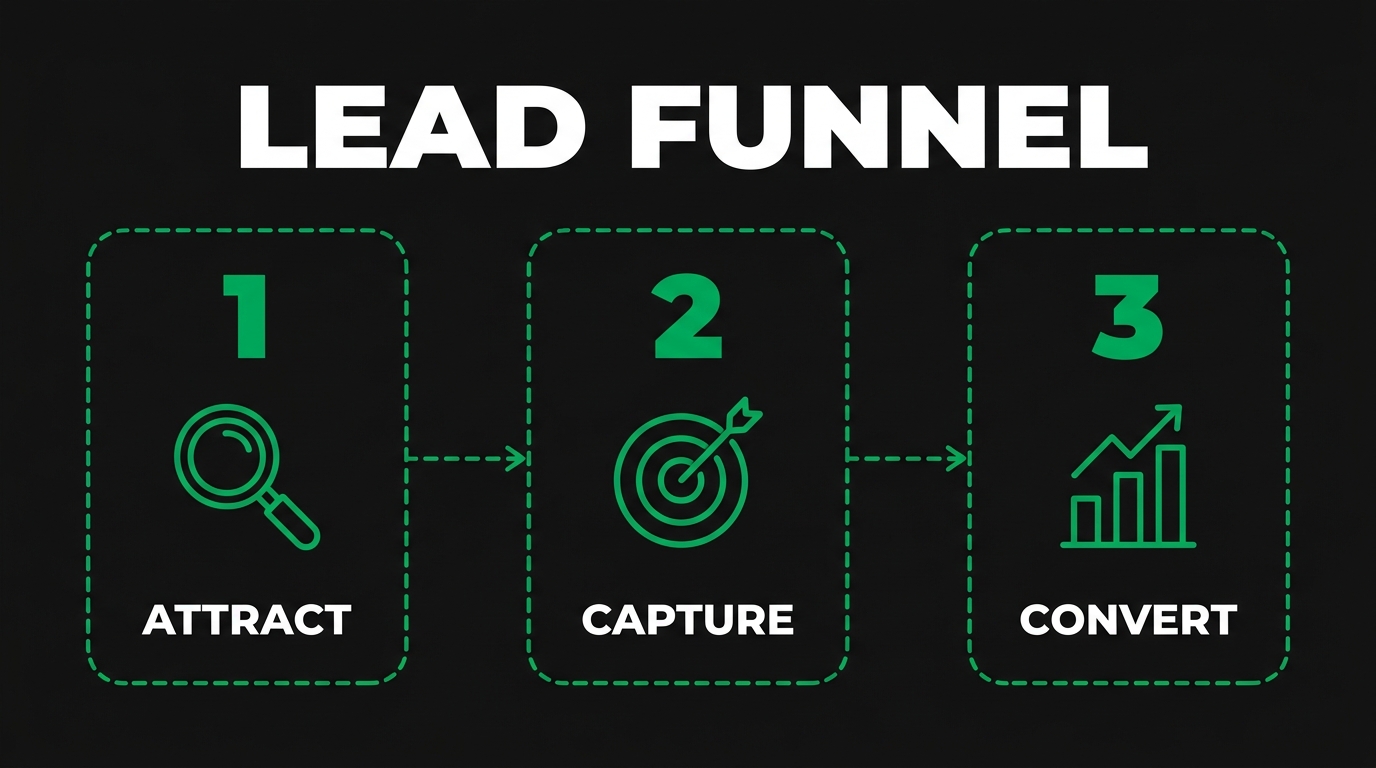
What Local SEO On-Page Tactics Generate Industrial Leads?
The local SEO on-page tactics that generate industrial leads are location-specific service pages, structured data markup, NAP-consistent contact blocks, internal linking that reinforces facility hierarchy, and city plus capability page templates that match procurement search queries. The sub-sections cover page structure, schema, and NAP discipline.
How Do You Build Location-Specific Service Pages for Manufacturing Sites?
You build location-specific service pages for manufacturing sites by creating one URL per facility plus capability combination, embedding the city and state in the H1 and meta title, and including unique address blocks, equipment lists, certifications, and case studies tied to that facility. Cover process variants, material grades, tolerance bands, and capacity descriptors specific to each plant.
Add embedded Google Maps, driving directions, and freight corridor descriptions so buyers can model logistics in seconds.
Which Schema Markup Helps Industrial Sites Rank in Local Results?
The schema markup that helps industrial sites rank in local results includes LocalBusiness with the Manufacturer subtype, Organization, Place, Service, Product for cataloged components, and FAQPage and BreadcrumbList for each capability page.
Fill in the address, telephone, opening hours, geo coordinates, and sameAs links to authoritative profiles. Validate every schema block in Google's Rich Results test to confirm parsing, then monitor Search Console for structured data warnings.
How Do NAP Consistency and Citations Affect Industrial Local Rankings?
NAP consistency and citations affect industrial local rankings by giving search engines repeated, matching evidence that the business name, address, and phone number are correct, current, and trustworthy across the open web. Mismatched suite numbers, abbreviated street names, or rotating tracking phone numbers create entity ambiguity that suppresses map-pack placement.
Audit every authoritative directory, trade publication, certification registry, and chamber of commerce listing for exact NAP match. That audit work leads directly into directory and citation strategy, covered next.
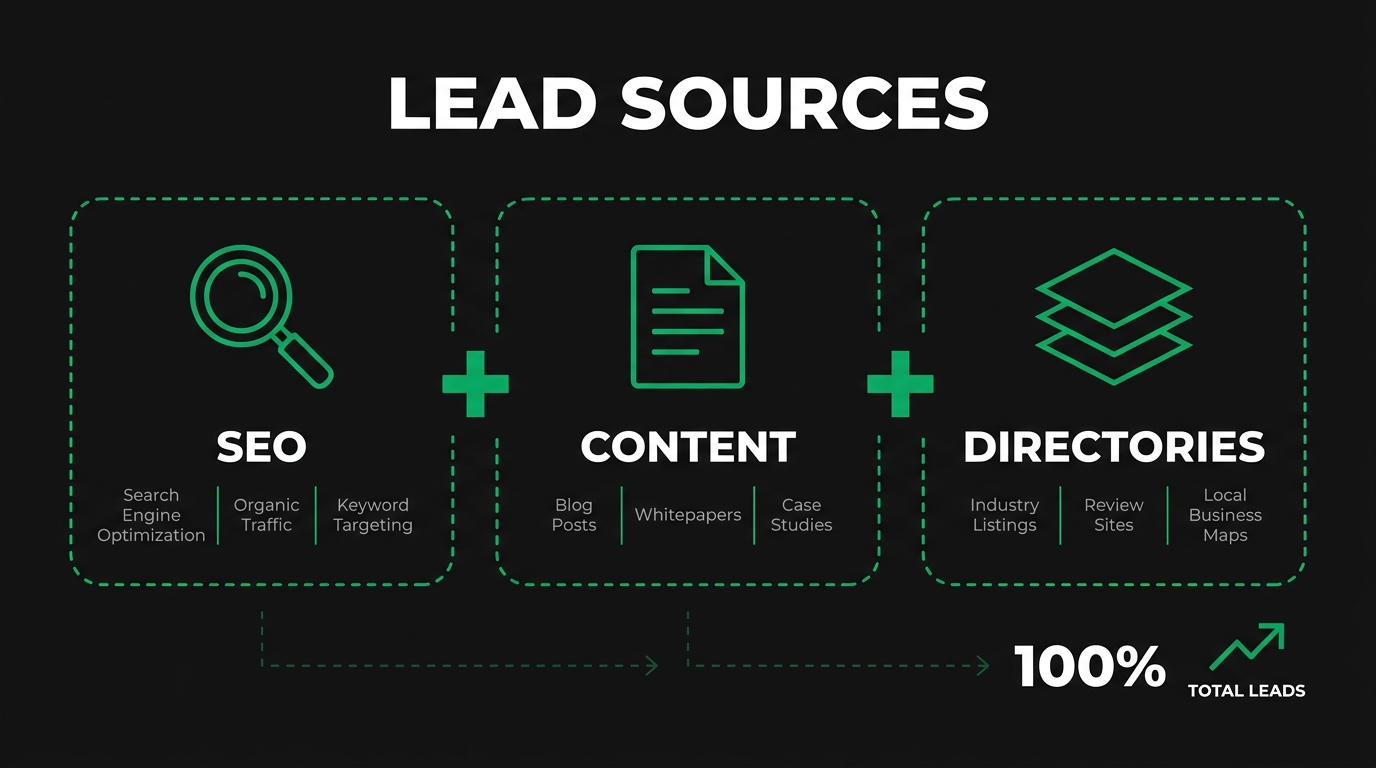
How Do You Generate Local Leads Through Industrial Directories and Citations?
You generate local leads through industrial directories and citations by listing each facility on high-authority sourcing platforms, vertical industry registries, and regional chambers, then enforcing NAP consistency and procurement-intent capability data inside every profile. The sub-sections cover source selection, audit workflow, and niche vertical directories.
Which Industrial Citation Sources Drive Qualified RFQ Volume?
The industrial citation sources that drive qualified RFQ volume are major North American sourcing platforms, engineering specification networks, certification registries, regional MEP center directories, state economic development supplier lists, and chamber of commerce manufacturing rosters.
Prioritize directories with verified buyer audiences, dofollow link policies, and structured capability fields rather than free generic listings. Use local citation management tools for industrial businesses to discover, claim, and synchronize listings at scale.
How Do You Audit and Clean Up Existing Local Citations?
You audit and clean up existing local citations by exporting every listing under your business name, comparing each NAP record against the master record, fixing inconsistencies, suppressing duplicates, and removing decommissioned facilities. Start with the highest-traffic directories, the certification registries procurement teams trust, and the regional chambers that anchor local trade authority.
Document every change, the date it was submitted, and the verification status. Use the audit local citations for a manufacturing plant workflow to standardize the cadence across plants.
What Niche Vertical Directories Outperform General Listings for Manufacturers?
The niche vertical directories that outperform general listings for manufacturers include aerospace special-process registries, FDA-cleared contract manufacturer databases, IATF 16949 supplier networks, NIST MEP center pages, and regional reshoring registries that route Buy American inquiries to qualified domestic shops.
Aerospace primes, automotive Tier 1 buyers, and medical device sourcing teams all start inside vertical registries before broadening the funnel. Listing accuracy inside these registries directly shapes whether a regional shop appears in a program-entry shortlist, which sets up the review work covered next.
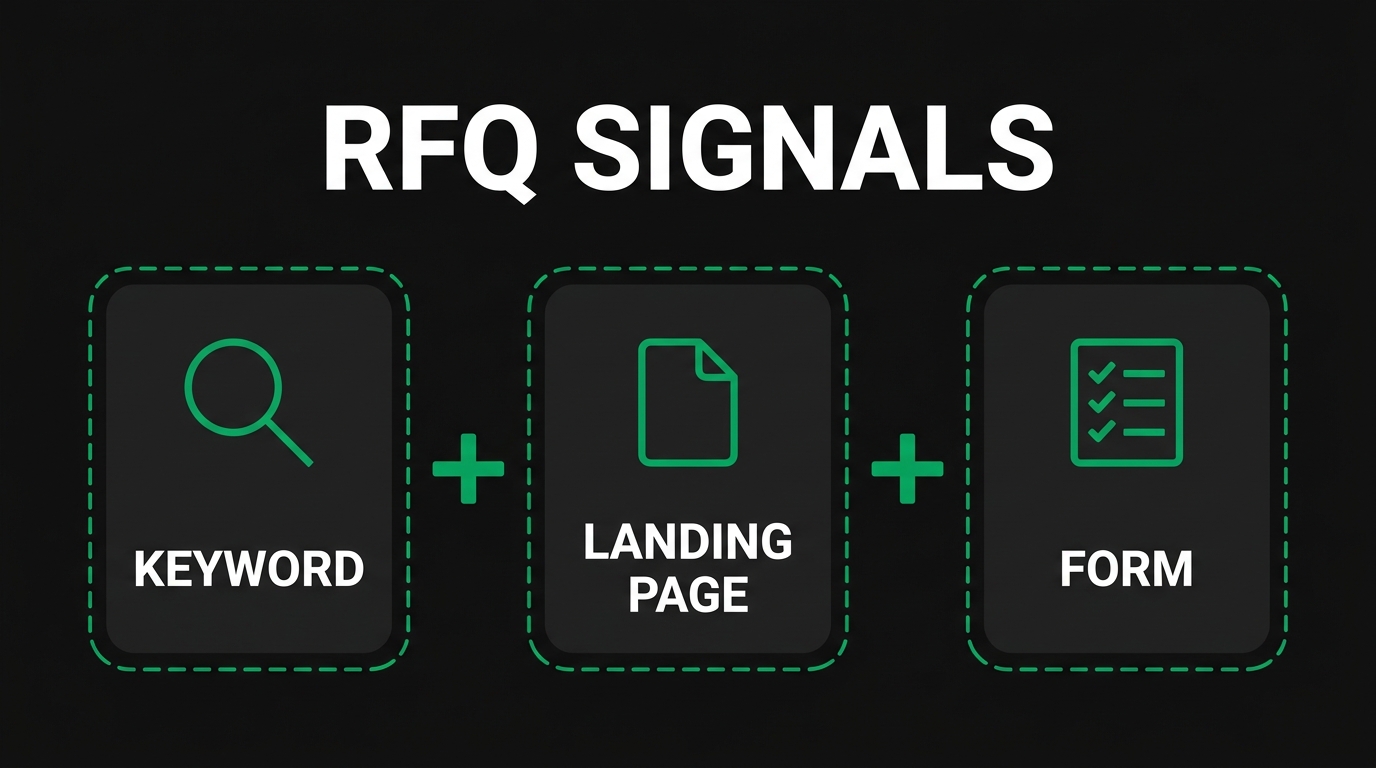
How Do Reviews and Reputation Drive Local Industrial Lead Generation?
Reviews and reputation drive local industrial lead generation by giving procurement buyers third-party validation of capability, on-time delivery, and quality discipline before any RFQ outreach. The sub-sections cover how to earn reviews, which platforms carry weight, and how to respond to negative feedback.
How Do You Earn Reviews From Procurement Buyers and Engineers?
You earn reviews from procurement buyers and engineers by requesting feedback at predictable program milestones, such as PPAP approval, FAI sign-off, or first repeat order, and by routing the request through a dedicated link to the GBP review form. Pair the request with a one-line context note about the program, the part family, and the program manager so the reviewer can write a credentialed account of the work.
Train the customer service team to ask in person during quality reviews.
Which Review Platforms Carry the Most Weight for Industrial Buyers?
The review platforms that carry the most weight for industrial buyers are Google Business Profile, vertical sourcing directories, certification body registries with feedback fields, and BBB profiles for regional trust signaling.
Industrial buyers weight Google reviews heavily because they appear directly inside the local pack, and they weight vertical directory reviews because those platforms host program-specific narratives. LinkedIn endorsements from named procurement contacts carry secondary weight as social proof inside the buying committee.
How Should Manufacturers Respond to Negative Reviews About Capability Issues?
Manufacturers should respond to negative reviews about capability issues by acknowledging the issue publicly, naming the corrective action taken, and inviting the reviewer to continue the conversation offline through a named contact. Avoid defensive language; procurement buyers reading the response are evaluating the supplier's discipline, not relitigating the original program.
Document the root cause analysis, the corrective action plan, and the verification step internally so the same failure does not recur. Follow up with the reviewer once the corrective action has been verified. Reputation discipline feeds local lead capture, which flows directly into content marketing next.
How Does Localized Content Marketing Attract Nearby Industrial Buyers?
Localized content marketing attracts nearby industrial buyers by publishing case studies, project pages, trade event coverage, and regional supply chain stories that surface in geographic queries and earn backlinks from regional industrial publications. The sub-sections cover case studies, trade event coverage, and backlinkable news stories.
What Local Case Studies and Project Pages Convert Regional Prospects?
The local case studies and project pages that convert regional prospects are program write-ups that name the customer industry, the part family, the process and material stack, the local facility used, and the measurable outcome such as cycle-time reduction, scrap reduction, or on-time delivery improvement.
Add photos of the finished part, the inspection process, and shop floor context. Procurement teams reading these pages model whether the supplier has solved a similar program nearby; concrete local examples close that loop fastest.
How Do You Use Local Trade Event Coverage to Build Geographic Authority?
You use local trade event coverage to build geographic authority by publishing pre-event capability previews, on-site event recaps, and post-event technical deep dives tied to regional shows such as IMTS, FABTECH regional editions, MD&M, and state-level manufacturing summits. Embed photos, video, and quotes from named exhibitors, then link to the event organizer and to your facility's event page.
This anchors your domain to the regional industrial calendar and earns inbound links from event hosts, regional publications, and partner exhibitors.
Which Local Industry News and Supply Chain Stories Earn Backlinks?
The local industry news and supply chain stories that earn backlinks are reshoring announcements tied to your region, capacity expansion stories with named investments, supply chain disruption commentary that quotes named operators, and capability launches that solve a regional procurement gap.
Pitch the story to regional business journals, MEP center newsletters, and industrial trade outlets. Earned coverage links back to the facility page that hosts the capability claim, which flows into paid and organic channel coordination next.
How Do You Combine Paid and Organic Channels for Local Industrial Leads?
You combine paid and organic channels for local industrial leads by running geo-targeted search ads against high-intent procurement keywords while organic content compounds, layering LinkedIn geo-filters for named-account outreach, and coordinating trade show follow-up with retargeting. Compare options for organic lead generation for manufacturers vs paid ads to allocate budget by intent stage.
How Do Local Service Ads and Geo-Targeted Search Ads Work for Manufacturers?
Local service ads and geo-targeted search ads work for manufacturers by routing high-intent procurement queries inside a defined radius to specific facility landing pages, with bid adjustments for buyer location, day-part, and device. Use exact-match or phrase-match keyword groups for process plus material plus city queries, and segment campaigns by facility so reporting attributes spend to the right plant.
Add call extensions tied to facility phone numbers, location extensions tied to verified GBP profiles, and structured snippets covering certifications and capabilities.
When Should You Use LinkedIn Geo-Filters for Local B2B Outreach?
You should use LinkedIn geo-filters for local B2B outreach when launching capacity in a new region, targeting named buying committees inside specific OEMs, or pitching capability upgrades to engineers at known regional plants. LinkedIn allows filtering by metro area, company HQ, job function, and seniority, which lets industrial sellers build account-based outreach lists tied to a defined trade area.
The platform also supports geo-targeted sponsored content, useful for reinforcing brand recall after a trade show or capacity announcement inside a regional industrial corridor.
How Do You Coordinate Trade Show Follow-Up With Local Search Campaigns?
You coordinate trade show follow-up with local search campaigns by mapping every booth lead to the geo-targeted ad campaign for their region, retargeting attendees with city-specific landing pages, and lifting paid bids on procurement keywords during the post-show window when buyer intent peaks. Use UTM parameters that tag the show, the facility, and the lead source so attribution stays clean.
Document manufacturing lead generation strategies that integrate trade show capture, local search amplification, and account-based outreach inside one calendar, which sets up the ROI measurement model next.
How Do You Measure ROI From Local Industrial Lead Generation?
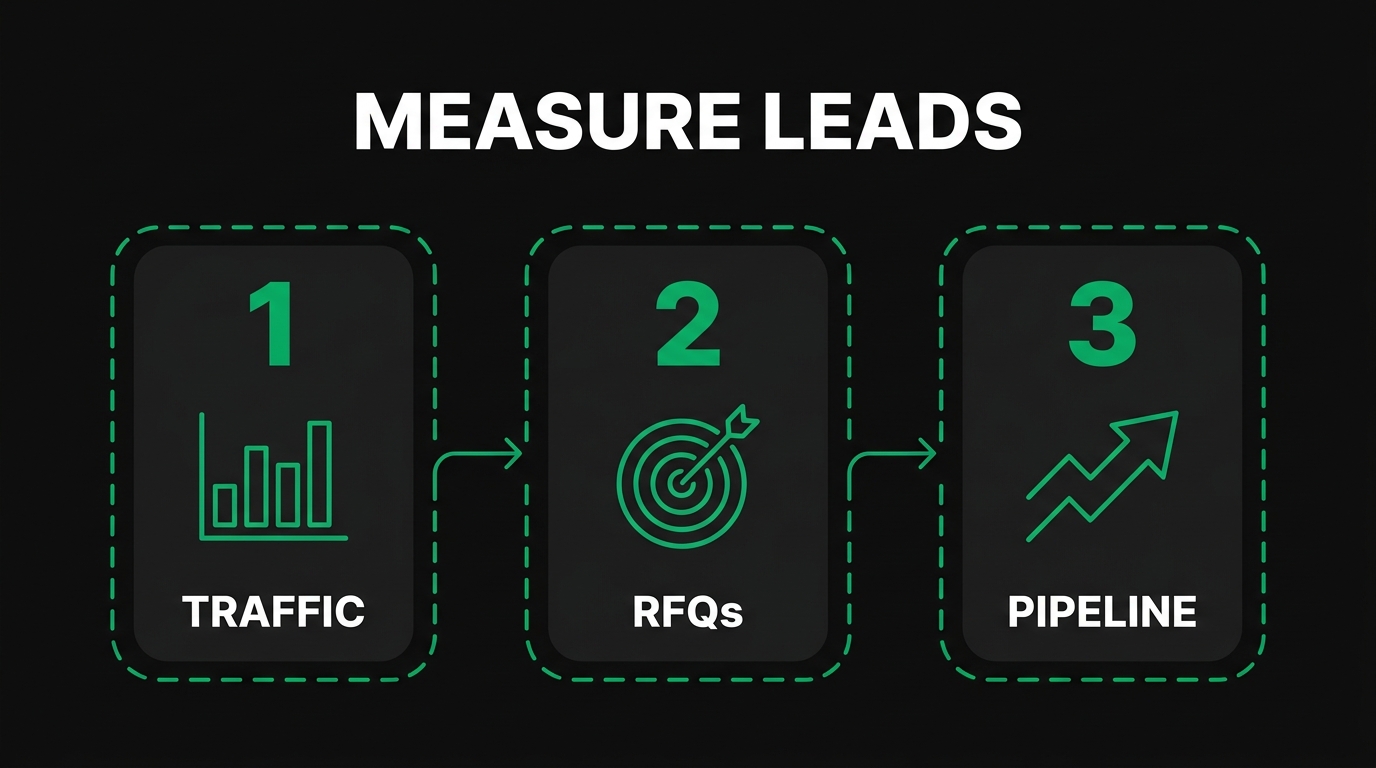
You measure ROI from local industrial lead generation by tracking lead volume by facility, conversion to RFQ, RFQ-to-quote rate, quote-to-close rate, average order value, and closed-won revenue against channel spend. Dive deeper with a complete seo for industrial lead generation measurement model.
Which KPIs Track Local Lead Quality for Manufacturing Operations?
The KPIs that track local lead quality for manufacturing operations are inbound RFQ count by facility, average RFQ dollar value, qualified RFQ rate, RFQ response time, quote acceptance rate, time to first PO, and revenue per local lead. Layer in source attribution per RFQ so each plant sees which channels (GBP, organic, ads, directories, referrals) drive the highest-value programs.
How Do You Attribute RFQs and Closed Revenue to Local Search Campaigns?
You attribute RFQs and closed revenue to local search campaigns by deploying call tracking with dynamic number insertion per source, UTM-tagged form submissions, CRM integration that timestamps every touchpoint, and multi-touch attribution models that credit awareness and conversion channels appropriately. Map every closed program back to the originating local search query, the GBP impression, the directory profile, or the geo-targeted ad that initiated the conversation.
Curious buyers comparing approaches can review how do manufacturers get leads online for the underlying attribution patterns.
What Reporting Cadence Keeps Local Lead Programs Accountable?
The reporting cadence that keeps local lead programs accountable is a weekly tactical review of inbound RFQ volume by facility, a monthly channel performance review, a quarterly strategic review tying spend to closed revenue, and an annual program audit that resets keyword targets, GBP categories, and citation footprint.
Build dashboards that show RFQ source, sales pipeline stage, and closed revenue side by side. That cadence discipline sets up the full strategy build covered in the final section.
How Should Manufacturers Build a Full Local SEO Strategy With Manufacturing SEO Agency?
Manufacturers should build a full local SEO strategy with Manufacturing SEO Agency by combining facility-level GBP optimization, location-specific service pages, structured citation work, review systems, and revenue-tied reporting into one program governed against pipeline outcomes. Manufacturing SEO Agency treats every plant as a discrete trade area while reinforcing the parent brand.
Can Manufacturing SEO Agency Help Industrial Companies Capture More Local Leads?
Manufacturing SEO Agency can help industrial companies capture more local leads by mapping procurement-intent keywords to each facility's trade area, building location-specific service pages around process plus material plus certification queries, structuring GBP and citation footprints for multi-plant operations, and tying every ranking to RFQs, pipeline value, and closed revenue inside the client's CRM. Manufacturing SEO Agency offers local seo for manufacturers that covers technical site work, schema, citation cleanup, review systems, and reporting tuned for industrial buyer behavior.
What Are the Key Takeaways About Local Lead Generation Strategies for Industrial Companies?
The key takeaways about local lead generation strategies for industrial companies are that procurement buyers shortlist nearby suppliers using mobile and map searches, that Google Business Profile category and attribute discipline drives map-pack visibility, that NAP-consistent citations and structured data ground entity trust, that verified reviews accelerate buyer decisions, that localized case studies and trade event coverage compound geographic authority, that paid plus organic coordination captures both urgent and long-cycle demand, and that revenue-tied reporting per facility separates real lead engines from vanity activity.