The best manufacturing directories for lead generation are vetted online platforms that connect industrial buyers with qualified suppliers using process, material, and certification filters that match procurement intent. Top platforms include Thomasnet for broad North American sourcing, GlobalSpec for engineering buyers, IndustryNet, Kompass, and vertical directories serving aerospace, medical, and automotive supply chains.
This guide covers how directories work, which platforms drive the most qualified RFQs, evaluation and pricing criteria, profile optimization tactics, channel comparisons against organic search and trade publications, common mistakes that suppress listings, ROI measurement frameworks, and how to fold directories into a wider industrial SEO strategy.
The mechanics section explains how supplier-buyer matching engines parse capability data, why procurement teams favor directories over open Google search for vetted shortlists, and how horizontal directories differ from vertical ones serving regulated niches.
The platform comparison reviews flagship sourcing networks, their audience composition, and the situational fit of smaller marketplaces for shops with limited capacity or niche capabilities.
Evaluation guidance covers traffic and domain authority diligence, audience verification against your ideal buyer profile, and the contract terms that separate predictable lead engines from sunk subscription costs.
Optimization tactics show which process, material, and certification keywords belong in each listing field, how to structure capability pages and equipment lists, and which photo, video, and review assets convert browsing buyers into RFQ submissions.
The channel comparison weighs cost per lead across directories, organic search, and PPC, explains how directory backlinks influence domestic rankings, and identifies the moments when trade publication outreach should run alongside listings.
Mistake and ROI sections expose the generic descriptions, stale credentials, and tracking gaps that quietly drain directory subscriptions, then lay out KPIs, attribution models, and the cancellation thresholds that protect marketing budget.
The closing section connects directory work to a full industrial SEO program covering technical site work, topical authority, link building, and revenue-tied reporting.
What Is a Manufacturing Directory and How Does It Generate Industrial Leads?
A manufacturing directory is a curated online platform that lists industrial suppliers by process, material, certification, and geography so procurement buyers can identify, shortlist, and request quotes from qualified shops. Directories generate leads by routing buyer queries and RFQs to matching supplier profiles.
How Do Manufacturing Directories Work for Buyer-Supplier Matching?
Manufacturing directories work for buyer-supplier matching by indexing supplier capability data (process, tolerance, material, certification, capacity) and exposing that data to procurement search filters and RFQ broadcasts. The platform engine ranks suppliers by relevance to the buyer's stated specifications, then routes either a direct lead or a multi-supplier RFQ to matching profiles. Research published in Industrial Marketing Management on small- and medium-sized enterprises in online B2B marketplaces found that buyers' commitment, the length of a project's term, and time constraint for concluding a match are related to buyer-supplier matching because suppliers use them to form a basis for inferences about the prospects of a project. Strong directories surface those signals (project budget, timeline, repeat-order intent) so suppliers can prioritize the highest-fit RFQs.
Why Do Procurement Buyers Use Industrial Directories Instead of General Search?
Procurement buyers use industrial directories instead of general search because directories pre-filter suppliers by certifications, capacity, NAICS code, and quality systems that open-web results cannot reliably verify. Instead of parsing dozens of generic Google results, a buyer narrows a vetted index to a shortlist in minutes. An academic supplier-discovery framework noted that supplier discovery by industrial buyers historically depended on conventional tools such as Yellow Pages, Internet surfing, and word of mouth, and that supplier discovery involves a collection of activities to find suppliers who provide services and materials for production (International Journal of Industrial Engineering). Directories compress that activity stack into a single audited interface with RFQ infrastructure, NDA workflows, and capability documentation already attached.
What Types of Manufacturing Directories Exist (Horizontal vs Vertical)?
The types of manufacturing directories that exist are horizontal directories and vertical directories. Horizontal directories index a broad range of NAICS sectors and processes, with examples such as Thomasnet, IndustryNet, and Kompass covering CNC machining, fabrication, injection molding, and finishing under one roof. Vertical directories specialize in a single industry or process, such as aerospace special-process registries, medical device contract manufacturers, electronics assembly networks, and additive manufacturing service hubs. Horizontal platforms maximize buyer reach; vertical platforms maximize buyer fit. Most procurement teams use both: a horizontal directory for early discovery and a vertical directory for regulated, certification-gated programs. Sourcing teams should also evaluate directories that publish top manufacturing trade publications for content submission alongside profile pages, since those outlets feed buyer trust and editorial authority that pure listings cannot.
Which Manufacturing Directories Drive the Most Qualified RFQs?
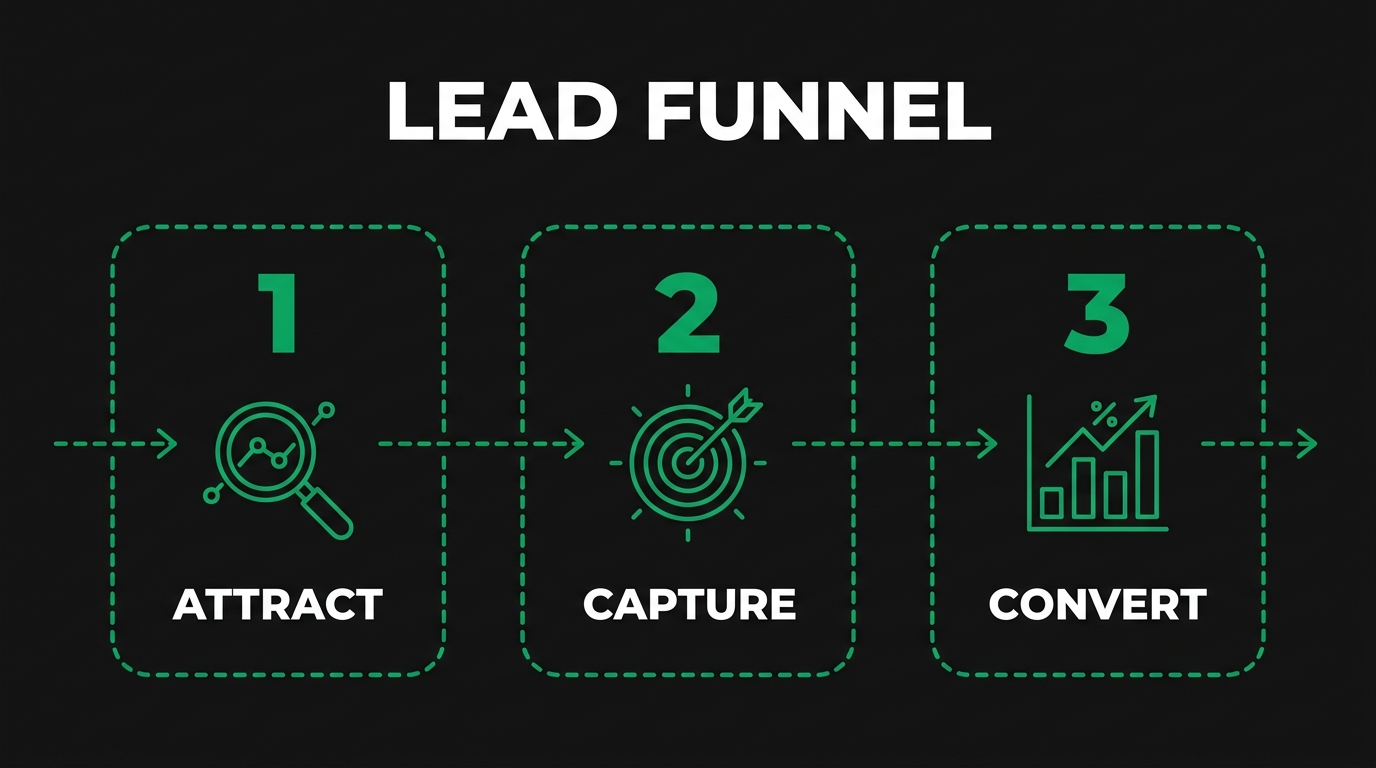
The manufacturing directories that drive the most qualified RFQs are platforms with verified buyer pools, deep capability filters, and engineering-grade content. Top performers include Thomasnet, GlobalSpec, IndustryNet, Kompass, and category-specific aerospace, medical, and automotive registries.
What Makes Thomasnet a Leading Industrial Sourcing Platform?
Thomasnet is a leading industrial sourcing platform because it indexes hundreds of thousands of North American suppliers under structured capability taxonomies and pairs each profile with RFQ infrastructure built for procurement and engineering buyers. The platform's depth across CNC machining, fabrication, injection molding, finishing, and contract manufacturing supports both single-source RFQs and multi-supplier quote broadcasts. Thomasnet listings act as a unified capability page, certification log, and lead inbox; this concentration shortens the buyer's path from query to qualified shortlist. Suppliers strengthen profile performance by mapping every NAICS code, process, material, tolerance band, and certification (ISO 9001, AS9100, ITAR registration) directly into the structured fields that drive search ranking inside the directory.
How Does Global Spec Serve Engineering and Technical Procurement Buyers?
GlobalSpec serves engineering and technical procurement buyers by indexing component manufacturers, datasheets, CAD models, and technical content alongside supplier profiles. The platform's audience skews toward design engineers, mechanical engineers, and reliability engineers who require spec-level filtering long before a sourcing manager issues an RFQ. Research in Management Science explained that information systems can serve as intermediaries between the buyers and the sellers in a market, creating an "electronic marketplace" that lowers the buyers' cost to acquire information about seller; transaction cost usually includes the expense of searching for a trading partner, specifying the products to be traded, negotiating and fulfilling contracts, and handling problems with delivery, payment and quality control. GlobalSpec compresses those costs by surfacing technical specifications first, then routing inquiry traffic to suppliers whose datasheets satisfy the buyer's design constraints.
When Is MFG.com or Maker's Row the Right Fit for Smaller Shops?
MFG.com or Maker's Row is the right fit for smaller shops when the goal is access to short-run, prototype, or low-volume RFQs that mid-size and enterprise suppliers usually decline. MFG.com routes machining, fabrication, casting, and tooling RFQs to a global supplier base where smaller shops can compete on price and lead time. Maker's Row focuses on apparel, leather, sewing, and consumer-product manufacturing for emerging brands. Smaller shops should join one of these platforms when monthly capacity has open hours, when prototype work supports learning new materials, or when the geographic concentration of buyers (often startups and small consumer brands) matches the shop's preferred order profile.
Which Niche Vertical Directories Outperform General Listings for Aerospace, Medical, and Automotive?
The niche vertical directories that outperform general listings for aerospace, medical, and automotive include the Performance Review Institute's Nadcap-accredited supplier registries for aerospace, FDA-cleared contract manufacturer databases for medical, and IATF 16949 supplier networks for automotive. Per Wikipedia, AS9100 was developed in March 1999 by the Society of Automotive Engineers; AS9100 fully incorporates the entirety of the current version of ISO 9001, while adding requirements relating to quality and safety, and the 1999 release added 55 aerospace industry specific amplifications and requirements to ISO 9001:1994. Vertical directories pre-screen against those credentials, so an aerospace prime contractor or Tier 1 automotive OEM lands on a shortlist that already meets program-entry quality requirements. Procurement teams in regulated verticals shortcut weeks of audit prep when their initial query lands inside a registry built around the certification stack they require.
How Do You Evaluate a Manufacturing Directory Before Listing?
You evaluate a manufacturing directory before listing by auditing its traffic sources, domain authority, audience composition, lead quality terms, and contract economics. The goal is to confirm the directory delivers procurement-intent buyers, not vanity impressions, before committing budget.
What Traffic, Domain Authority, and Buyer Intent Signals Should You Audit?
The traffic, domain authority, and buyer intent signals you should audit include organic visit volume, referring domain count, Domain Rating or Authority Score from a third-party tool, top organic keywords, branded search demand, and conversion-keyword coverage. Pull the directory's keyword footprint to confirm rankings on procurement-intent phrases such as "CNC machining shops," "AS9100 certified suppliers," and "injection molding manufacturers near me." Compare those rankings to the platform's published lead claims; if procurement keywords are absent from the top 20, lead volume is structurally limited. Pair this with best backlink analysis tools for manufacturing to verify the directory's link profile is built on industrial publications rather than scraped or low-quality sources.
How Do You Verify That a Directory's Audience Matches Your Ideal Buyer?
You verify that a directory's audience matches your ideal buyer by requesting an audience composition report, sampling buyer profiles in your target NAICS codes, and asking for redacted RFQ samples from the last 90 days. Audit the geographic split (domestic vs export), the buyer role split (engineer vs sourcing vs operations), and the company-size distribution. Cross-reference platform claims against independent traffic data and procurement community feedback. Where possible, run a competitor backlink analysis manufacturing to see which directories already drive traffic and links to direct competitors; that signal proves a buyer pool exists for your exact capability set.
What Pricing Models, Lead Quality Guarantees, and Contract Terms Should You Compare?
The pricing models, lead quality guarantees, and contract terms you should compare include flat annual subscription, tiered placement, pay-per-lead, pay-per-RFQ, multi-year discounts, auto-renewal clauses, lead-quality refund triggers, and exclusivity windows. Annual subscriptions favor predictable budgeting; pay-per-lead favors testing new directories without sunk cost. Push for written definitions of "qualified lead," documented refund procedures for non-qualified RFQs, and the right to pause renewals if monthly RFQ volume falls below an agreed floor. Use best seo competitor analysis tools manufacturing to benchmark which platforms competitors invest in and at what tier, so contract negotiations start from data rather than vendor talking points.
How Should You Optimize a Manufacturing Directory Profile for Maximum Leads?
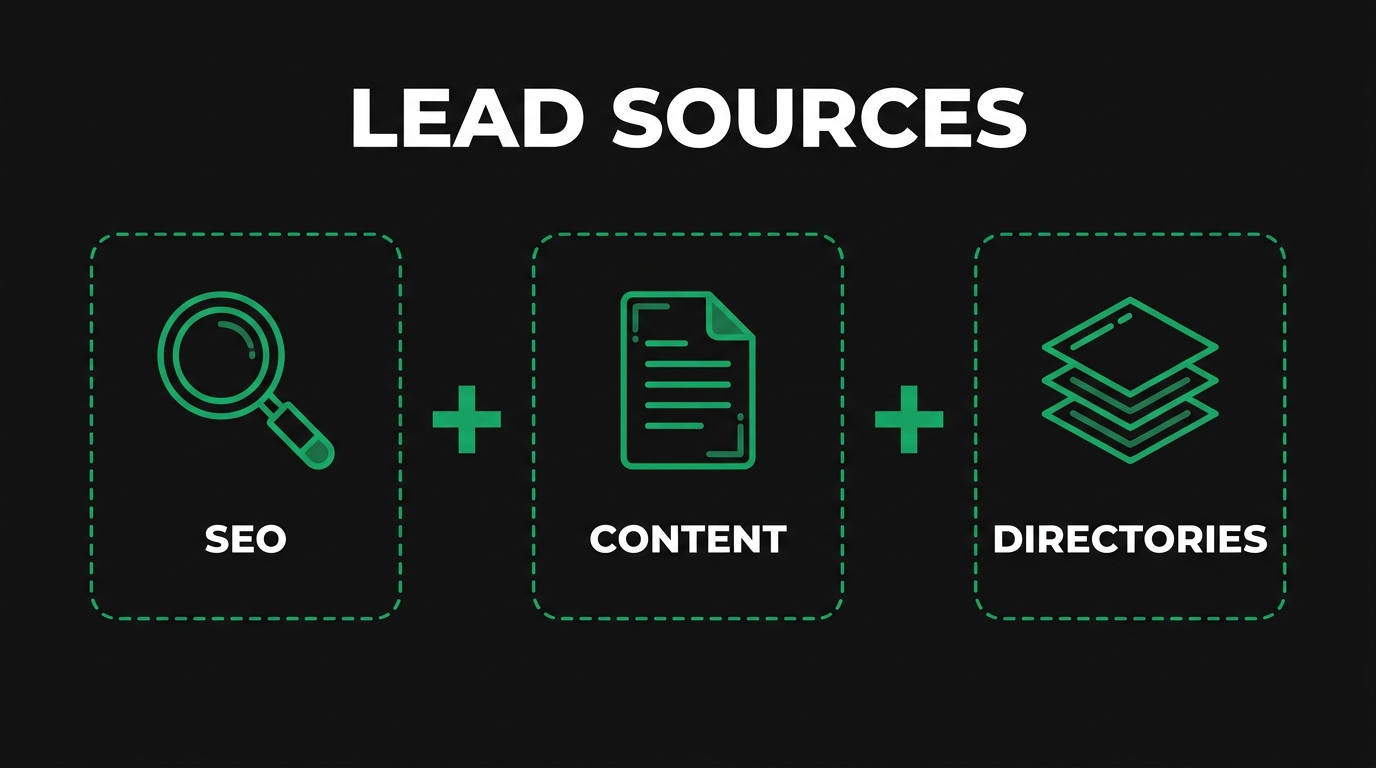
You should optimize a manufacturing directory profile for maximum leads by mapping every searchable field to procurement-intent keywords, structuring capability content for fast scanning, and adding evidence assets (photos, videos, case examples, reviews) that convert browsing buyers into RFQ submissions.
Which Process, Material, and Certification Keywords Belong in Your Listing?
The process, material, and certification keywords that belong in your listing are the procurement-intent terms buyers type when sourcing your exact capabilities. Include process variants (5-axis CNC milling, Swiss turning, EDM, laser welding, MIG welding), material grades (Inconel 718, 6061-T6 aluminum, 316L stainless, PEEK, Ultem), tolerance bands ($\pm$0.0005 in), capacity descriptors (lot sizes, table size, swing), and every certification you legally hold (ISO 9001, AS9100, IATF 16949, ITAR registration, NADCAP special-process scope). Map keywords to dedicated profile fields rather than burying them in narrative copy; structured data drives the directory's internal search ranking far more than prose.
How Do You Structure Capability Pages, Equipment Lists, and Quality Credentials?
You structure capability pages, equipment lists, and quality credentials by grouping related processes under scannable headings, listing equipment with make, model, axis count, work envelope, and CNC controller, and posting current certificates as PDF attachments with issuing body, certificate number, and expiration date. Open each capability page with the buyer's exact phrase ("AS9100D-certified 5-axis CNC machining for aerospace components"), then expand into measurable specs. Per Wikipedia, Nadcap was established in 1990 by SAE International as a global cooperative accreditation program for aerospace engineering, defense and related industries, providing accreditation for special processes including coatings, composites, welding, heat treating, nondestructive testing, and electronics. List your Nadcap scope by exact special-process category so aerospace primes can confirm fit at a glance.
What Photos, Videos, and Case Examples Convert Buyers into RFQs?
The photos, videos, and case examples that convert buyers into RFQs are high-resolution shop floor images, in-process video of representative parts, finished-part galleries with material and tolerance captions, and case studies that document a real customer problem, the manufacturing approach, and the measurable outcome (cycle-time reduction, scrap reduction, on-time delivery). Avoid stock imagery; procurement teams trained on supplier audits spot it instantly. Pair each case study with a specific NAICS code and certification context so buyers in regulated verticals can self-select.
How Do You Use Reviews, Ratings, and Buyer Testimonials Inside Directories?
You use reviews, ratings, and buyer testimonials inside directories by actively requesting feedback after each completed program, responding to every review (positive and critical) with specific corrective actions, and rotating the most credentialed quotes (named engineer, named program) into the profile's primary credibility block. Stanford research conducted at the Persuasive Technology Lab over three years and including over 4,500 people enabled the lab to publish Stanford Guidelines for Web Credibility, and the data showed that nearly half of all consumers (46.1%) assessed credibility of sites based in part on the appeal of the overall visual design of a site, including layout, typography, font size and color scheme. Apply that finding to directory profiles: clean layout, consistent typography in case studies, and dated reviews with full reviewer attribution outperform anonymous five-star clusters every time.
How Do Manufacturing Directories Compare to SEO, Trade Publications, and Paid Channels?
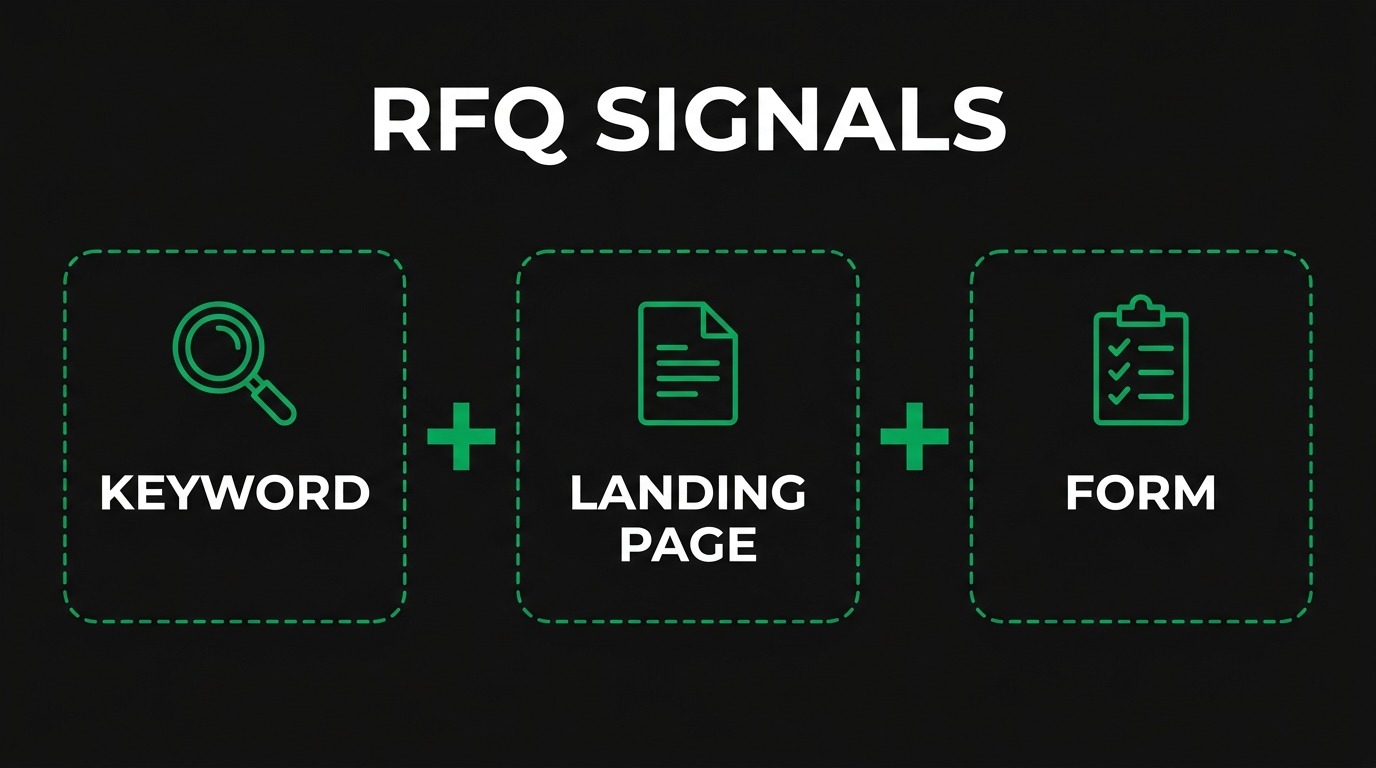
Manufacturing directories compare to SEO, trade publications, and paid channels as one node in a multi-channel industrial pipeline: directories deliver vetted near-term RFQs, organic SEO compounds long-term authority, trade publications build category trust, and PPC fills capacity gaps on demand.
What Are the Cost-Per-Lead Differences Across Directories, Organic Search, and PPC?
The cost-per-lead differences across directories, organic search, and PPC vary by program intensity and buyer intent. Directories convert annual subscriptions into a fixed cost-per-RFQ that drops as profile traffic grows. Organic search has a high upfront content and technical investment, then yields the lowest long-term cost-per-lead because each ranking page compounds traffic over time. PPC delivers immediate impressions but resets cost per click on every campaign cycle. The U.S. Small Business Administration's Office of Advocacy reports that in 2021 the U.S. was home to 603,348 small business manufacturers, that small manufacturers employed 4.8 million workers and paid over $277 billion in payroll, and that small manufacturing firms represent 98% of manufacturers. Most of those firms operate on tight marketing budgets, which makes blended channel allocation (directories plus SEO) the dominant winning model rather than dependence on any single channel.
How Do Backlinks From Directories Affect Your Domestic Search Rankings?
Backlinks from directories affect your domestic search rankings by passing referring-domain authority from established industrial publications to your supplier site, which strengthens your domain's overall ranking power for procurement-intent queries. The largest directories carry years of editorial trust, manufacturing-specific topical authority, and indexed traffic that Google interprets as relevant context for your linked pages. Track the Domain Rating, contextual placement, and dofollow status of every directory link; a single dofollow link from a high-authority industrial publication outperforms hundreds of low-quality scrape links for ranking impact in your home market.
When Should You Combine Directories With Trade Publication Outreach for Maximum Reach?
You should combine directories with trade publication outreach for maximum reach when launching a new capability, entering a new vertical, or competing for a named program. Directory listings capture high-intent buyers already searching; trade publication coverage builds top-of-funnel awareness with buyers who will search next quarter. Pair a directory profile refresh with a placed feature or technical bylined article in a relevant trade outlet, and the directory's structured listing becomes the conversion endpoint for the awareness wave. Pull from top manufacturing trade publications for content submission to map outlets to each capability launch.
What Common Mistakes Cause Manufacturing Directory Listings to Underperform?
The common mistakes that cause manufacturing directory listings to underperform are generic capability copy, outdated certifications and equipment lists, and broken or absent tracking that prevents real ROI measurement. Each one quietly converts paid placement into wasted spend.
Why Do Generic Capability Descriptions Kill RFQ Volume?
Generic capability descriptions kill RFQ volume because procurement buyers filter on specific process names, material grades, tolerances, and certifications, not abstract claims like "quality machining" or "world-class manufacturing." A profile that says "precision CNC machining" loses to a profile that lists "5-axis Mazak Variaxis i-700, 0.0002 in repeatability, AS9100D-certified, Inconel 718 and Ti-6Al-4V experience." Buyers cannot RFQ what they cannot identify. Rewrite every capability block as a structured spec sheet rather than marketing prose; the directory's internal search and the buyer's filter logic both reward specificity.
How Do Outdated Certifications and Equipment Lists Lose Procurement Trust?
Outdated certifications and equipment lists lose procurement trust because supplier qualification teams cross-check expiration dates, equipment make and model, and capacity claims against the supplier's website and the issuing certification body. An expired ISO 9001 certificate or an equipment list missing a recent five-axis purchase signals operational neglect. Procurement leaders assume that what is shown publicly reflects internal discipline; an out-of-date profile suggests slow internal change control. Schedule a quarterly profile audit, refresh certificate PDFs the day a recertification is issued, and remove decommissioned equipment immediately.
What Tracking Mistakes Make It Impossible to Measure Directory ROI?
The tracking mistakes that make it impossible to measure directory ROI are missing UTM parameters on directory links, no call tracking on the listed phone number, RFQ form submissions that bypass the CRM, and no closed-loop attribution from quote to PO. Without these, the supplier cannot prove which directory delivered the customer, which closes the door on intelligent budget reallocation. Bridges between directory leads and revenue require unique phone numbers per platform, dedicated landing pages with UTM-tagged inbound links, CRM source fields populated automatically on form submission, and a manual review of every won RFQ to confirm origin. Suppliers also need to align directory data with broader workforce and capacity plans; the U.S. Bureau of Labor Statistics provides occupational openings projections for 2022–32, including data on industry employment, the unemployment rate of those previously employed in the industry, job openings and labor turnover, union membership and representation, gross job gains and losses, and projections of occupational employment change. Use those projections alongside directory pipeline forecasts to size shop capacity against incoming RFQ trends.
How Do You Measure ROI From Manufacturing Directory Lead Generation?
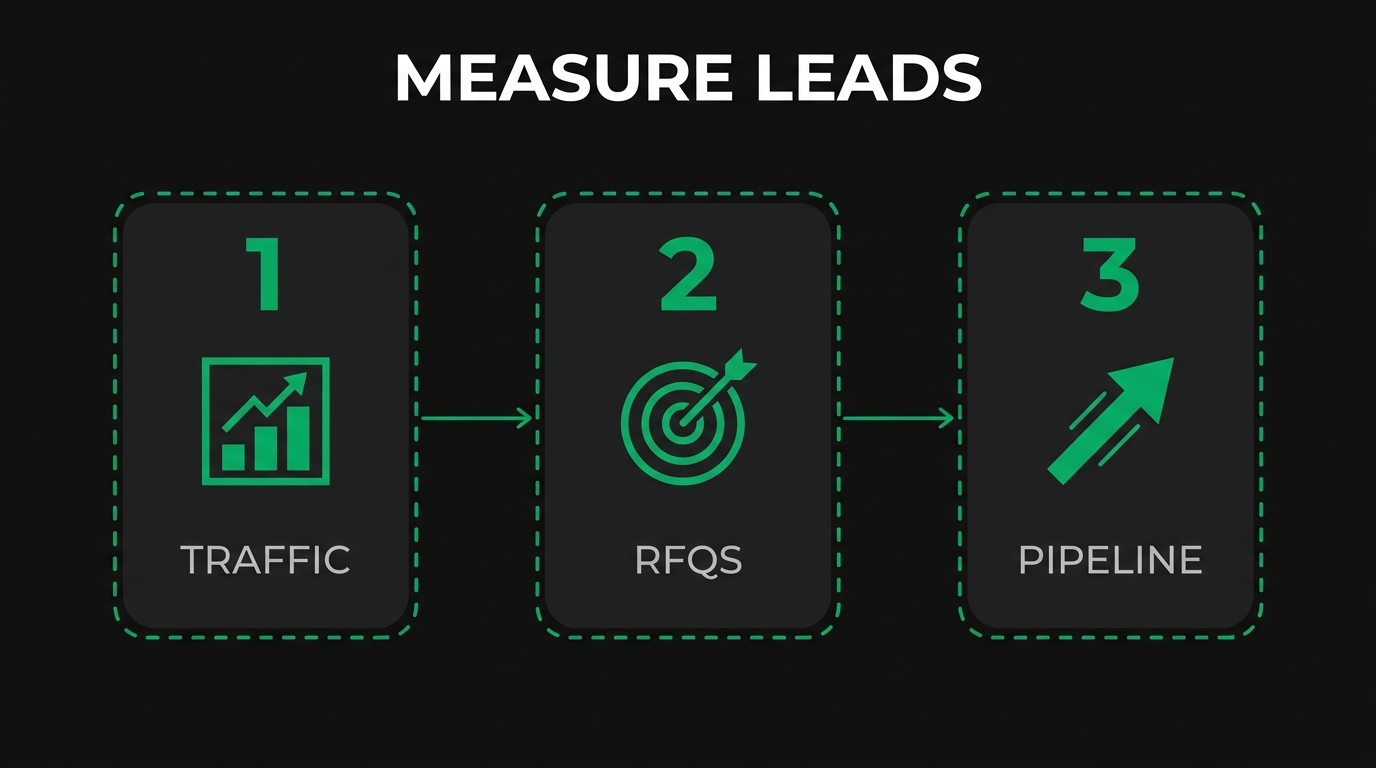
You measure ROI from manufacturing directory lead generation by tracking listing-level KPIs, attributing RFQs and closed revenue to specific directories, and applying a cancellation rule when a platform fails to clear a defined revenue threshold. Local discovery channels also feed the same revenue ledger, so reference 7 local lead generation strategies for industrial when sizing the local share of pipeline.
Which KPIs Should You Track for Each Directory Listing?
The KPIs you should track for each directory listing are profile impressions, profile views, capability-page views, RFQ submissions, qualified-RFQ rate, quote-to-close rate, average order value, and total closed revenue per platform. Layer time-based metrics: lead lag (days from RFQ to first contact), quote turnaround, and sales-cycle length from inbound to PO. Capture cost per impression, cost per view, cost per RFQ, cost per qualified RFQ, and cost per dollar of closed revenue. The cost-per-closed-revenue metric is the only one that survives executive scrutiny across a multi-year subscription decision.
How Do You Attribute RFQs and Closed Revenue Back to a Specific Directory?
You attribute RFQs and closed revenue back to a specific directory by assigning each platform a unique tracking phone number, a dedicated landing-page URL with UTM parameters, and a CRM source field that auto-populates from form submission. Tag every quote in the ERP with the lead source so accounting can roll up closed revenue by platform monthly. For multi-touch journeys, run first-touch and last-touch attribution side by side; a directory often originates a buyer relationship months before the eventual PO, and last-touch attribution alone undercredits high-funnel platforms.
When Should You Cancel an Underperforming Directory Subscription?
You should cancel an underperforming directory subscription when the rolling 12-month closed revenue from the platform fails to clear at least three times the annual subscription cost, when qualified RFQ volume drops below the contract floor for two consecutive quarters, or when the platform refuses to provide audience and lead data on request. Set the threshold in writing before the renewal window opens. Document a 90-day improvement plan with the platform's account team (profile refresh, premium placement, paid promotion); if the plan misses, exit before auto-renewal. Reallocate freed budget to the platform with the highest cost-per-closed-revenue efficiency. Many small shops also benefit from pairing directory pruning with foundational organic work, which is covered in seo for small manufacturing companies.
How Should You Combine Manufacturing Directories With a Full Industrial SEO Strategy?
You should combine manufacturing directories with a full industrial SEO strategy by treating directories as one demand channel inside a procurement-intent program that also includes technical SEO, topical authority content, link building, AI search visibility, and revenue-tied reporting. Vertical SEO programs (such as those tied to what is additive manufacturing) anchor topic clusters that feed both organic rankings and directory profile authority.
Can Manufacturing SEO Agency Help You Maximize Lead Generation From Directories and Search?
Manufacturing SEO Agency can help you maximize lead generation from directories and search. Manufacturing SEO Agency is a U.S. industrial-only SEO firm that ranks B2B manufacturers for procurement-intent queries built around process, material, and certification combinations, and offers manufacturing audits, procurement-intent keyword architecture, topical authority buildout, PR-grade editorial link building, AI search visibility engineering, technical SEO remediation, and revenue-tied reporting that connects rankings to RFQs and closed pipeline. Manufacturing SEO Agency serves CNC machining, injection molding, fabrication, additive, aerospace, automotive, electronics, and other regulated manufacturing verticals where engineers, purchasing managers, and supply chain directors source suppliers. Compliance signals also matter for trust and ranking; the Occupational Safety and Health Administration was established by Congress in 1970 to help assure safer conditions for American workers, and OSHA sets and enforces safety regulations to protect workers from workplace hazards in the manufacturing sector. Manufacturing SEO Agency layers compliance, certification, and capability content into both directory profiles and the supplier's owned site so buyer trust signals reinforce each other across channels. Editorial coverage is delivered through industrial link building services tuned to manufacturing publications. Visit Manufacturing SEO Agency to scope a directory and SEO program.
What Are the Key Takeaways About Choosing the Best Manufacturing Directories for Lead Generation?
The key takeaways about choosing the best manufacturing directories for lead generation are: pick platforms whose audience composition and certification filters match your target buyer, optimize each profile with structured process, material, and certification keywords, attach evidence assets (photos, video, case studies, reviews) that survive procurement audit, and instrument every listing with UTM tracking, dedicated phone numbers, and CRM source fields so closed revenue maps back to the platform that delivered it. Combine directories with topical-authority SEO, trade publication outreach, and PR-grade link building so the same buyer encounters consistent capability proof at every step of the procurement journey. Cancel any platform that fails to clear three times its annual cost in closed revenue and reinvest in the directories and SEO programs that compound.