Basic SEO strategies for manufacturing and factories are the foundational practices that help industrial companies rank in search engines for the process names, material specifications, and certifications procurement buyers actually type. These strategies translate technical capabilities into discoverable, trust-building web pages that earn qualified RFQs from engineers and supply chain decision-makers.
This guide covers what manufacturing SEO is and why it matters, how keyword research works for industrial sites, the on-page elements every factory website must optimize, the technical SEO foundations that support indexing, content that earns rankings and trust with engineering audiences, local SEO for multi-facility and regional suppliers, link building and off-page authority, and how to measure SEO performance against manufacturing revenue.
Manufacturing SEO differs sharply from retail or services because procurement buyers research suppliers through highly specific technical queries before any sales contact, and ranking for those queries directly produces RFQs.
Keyword research starts with mapping process, material, certification, and application terms across the procurement journey, prioritizing long-tail industrial phrases over generic vanity keywords.
On-page elements include disciplined title tags, header structures, and capability pages that mirror how buyers evaluate suppliers, supported by internal links that build topical authority around each process and material.
Technical SEO foundations cover site speed, mobile rendering, schema markup, and crawl health, all of which affect whether procurement teams ever see your pages at all.
Content built for engineers and procurement managers needs depth, technical accuracy, and original expertise rather than thin blog posts that fail to convert.
Local SEO matters for multi-facility manufacturers and regional suppliers who win business through proximity, while link building and digital PR establish authority through trade publications, associations, and industry media.
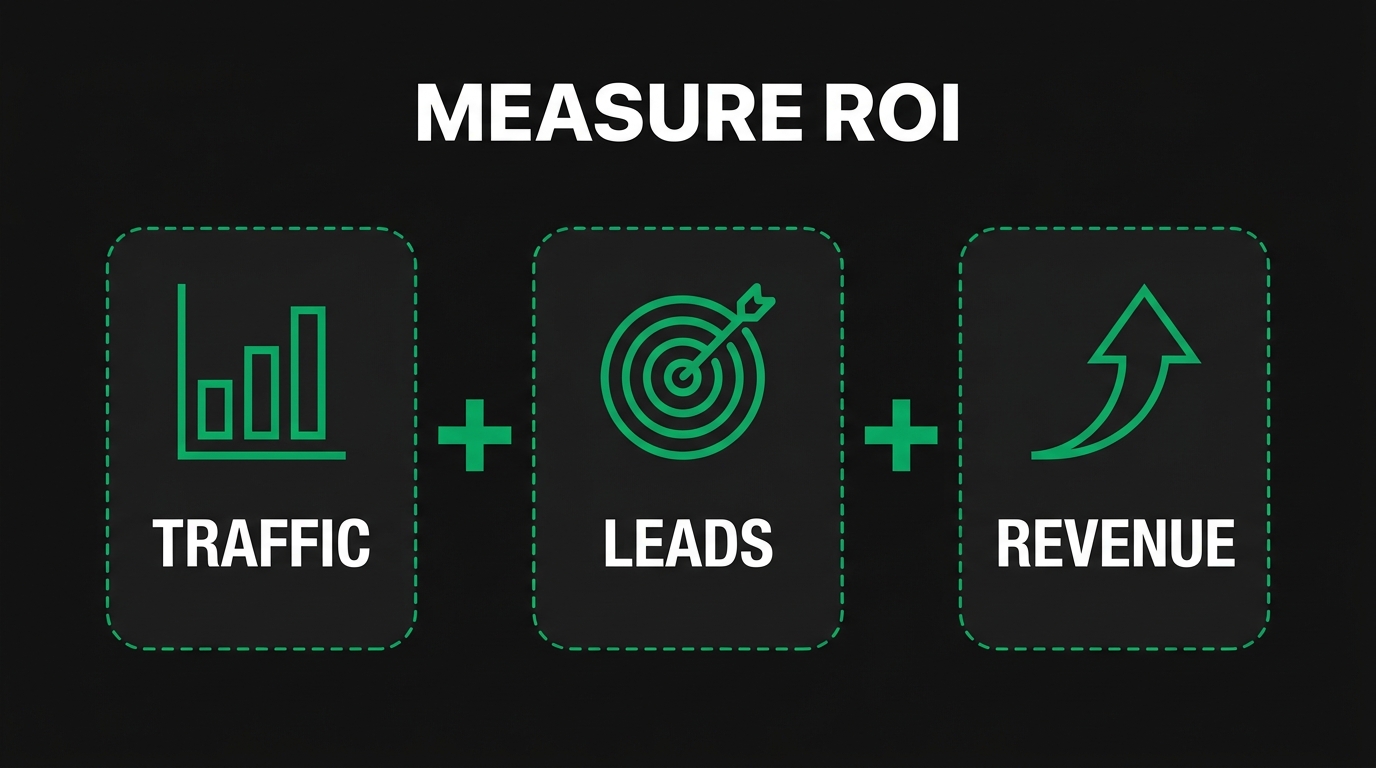
Measurement closes the loop, tying organic rankings to RFQs, pipeline value, and closed revenue rather than vanity metrics.
What Is Manufacturing SEO and Why Does It Matter for Factories?
Manufacturing SEO is the practice of optimizing factory websites to rank for the process names, material grades, and certifications procurement buyers actually search. It matters because most B2B sourcing decisions progress through search before any sales contact, making organic visibility a precondition for RFQ flow.
How Does SEO Differ for Manufacturers Compared to Retail or Service Businesses?
SEO for manufacturers differs from retail or service SEO because the queries are technical, the buyers are committee-driven engineers and procurement managers, and the conversion event is an RFQ rather than a checkout. Retail queries target impulse-driven consumer phrases. Manufacturing queries look like "5-axis CNC machining titanium AS9100." The page must satisfy specification-level intent, prove process capability with tolerances and certifications, and earn a spot on approved supplier lists.
Anyone committing budget should study proven industrial seo strategies first.
Why Do Procurement Buyers Rely on Search Engines to Source Suppliers?
Procurement buyers rely on search engines to source suppliers because independent digital research now dominates the sourcing journey, with most evaluation completed before vendors are ever contacted. Buyers run specification queries, compare capability pages, and validate certifications across multiple supplier sites in parallel.
Factory sites that publish deep, technical pages outperform thin marketing brochures. Smaller shops often miss this shift, which is why focused seo for small manufacturing companies matters as much as enterprise programs.
What Business Outcomes Can Factories Expect from Effective SEO?
Effective SEO delivers measurable RFQs, larger pipeline value, and higher win rates from organic search. Factories typically see qualified inquiries from procurement-stage queries within months of publishing technically accurate capability pages, supported by topical depth across each process, material, and certification.
Strong organic visibility shortens sales cycles because specification-ready buyers arrive pre-qualified. The next section turns foundations into keyword execution.
How Does Keyword Research Work for Manufacturing Websites?
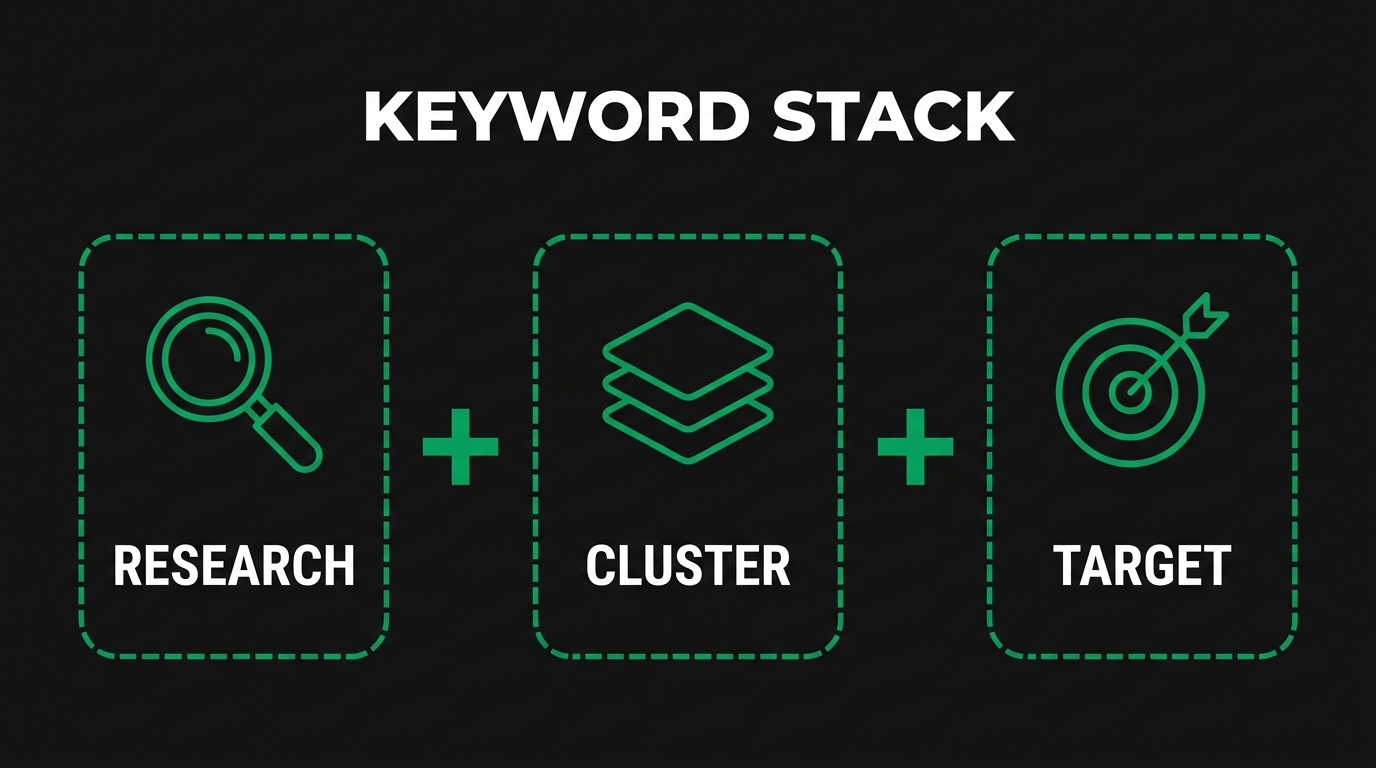
Keyword research for manufacturing websites maps every process, material, certification, and application a buyer might query, then prioritizes terms by procurement intent rather than raw volume. The next sub-sections cover keyword types, intent mapping, tooling, and long-tail capture.
What Types of Keywords Should Manufacturers Prioritize?
Manufacturers should prioritize four keyword types: process keywords, material keywords, certification keywords, and application keywords. Process terms cover what the factory does, such as "Swiss machining" or "MIG welding stainless steel." Material terms capture grade-level specificity, including "Inconel 718" or "PEEK injection molding." Certification terms qualify regulated buyers, such as "AS9100 aerospace machining" or "ITAR registered fabricator." Application terms tie capabilities to end-use industries like medical implants or EV battery housings.
How Do You Map Keywords to Procurement-Stage Search Intent?
You map keywords to procurement-stage search intent by classifying each query into research, evaluation, or RFQ-readiness phases, then matching content to each stage. Research-stage queries look like "what is wire EDM" and need definitional capability pages. Evaluation-stage queries compare options, such as "5-axis vs 3-axis CNC titanium," and benefit from technical comparison content. RFQ-stage queries include qualifying language like "AS9100 5-axis machining shop Ohio" and demand capability pages with quote forms.
A useful adjacent reference is contract manufacturing vs custom manufacturing seo, which compares two intent models common in industrial sourcing.
Which Tools Help Manufacturers Identify Process, Material, and Certification Keywords?
Tools that help manufacturers identify process, material, and certification keywords include enterprise keyword databases, Google Search Console, and industry-specific search refinement grounded in Google's quality signals. Google Search Central documentation notes that systems identify a mix of factors that help determine which content demonstrates experience, expertise, authoritativeness, and trustworthiness, so tooling that surfaces topical gaps tied to those signals adds the most value.
Compare options across the best seo tools for b2b manufacturing before standardizing a stack.
How Do Long-Tail Industrial Keywords Drive Qualified Inquiries?
Long-tail industrial keywords drive qualified inquiries by aligning page content with the exact specifications a procurement engineer types when ready to source. Long-tail queries combine process, material, certification, and geography into one phrase, such as "ITAR 5-axis aluminum machining Michigan." These queries attract fewer clicks but convert at a much higher rate because the searcher already knows what they need.
The next section covers the on-page elements that turn these long-tail visits into qualified RFQs.
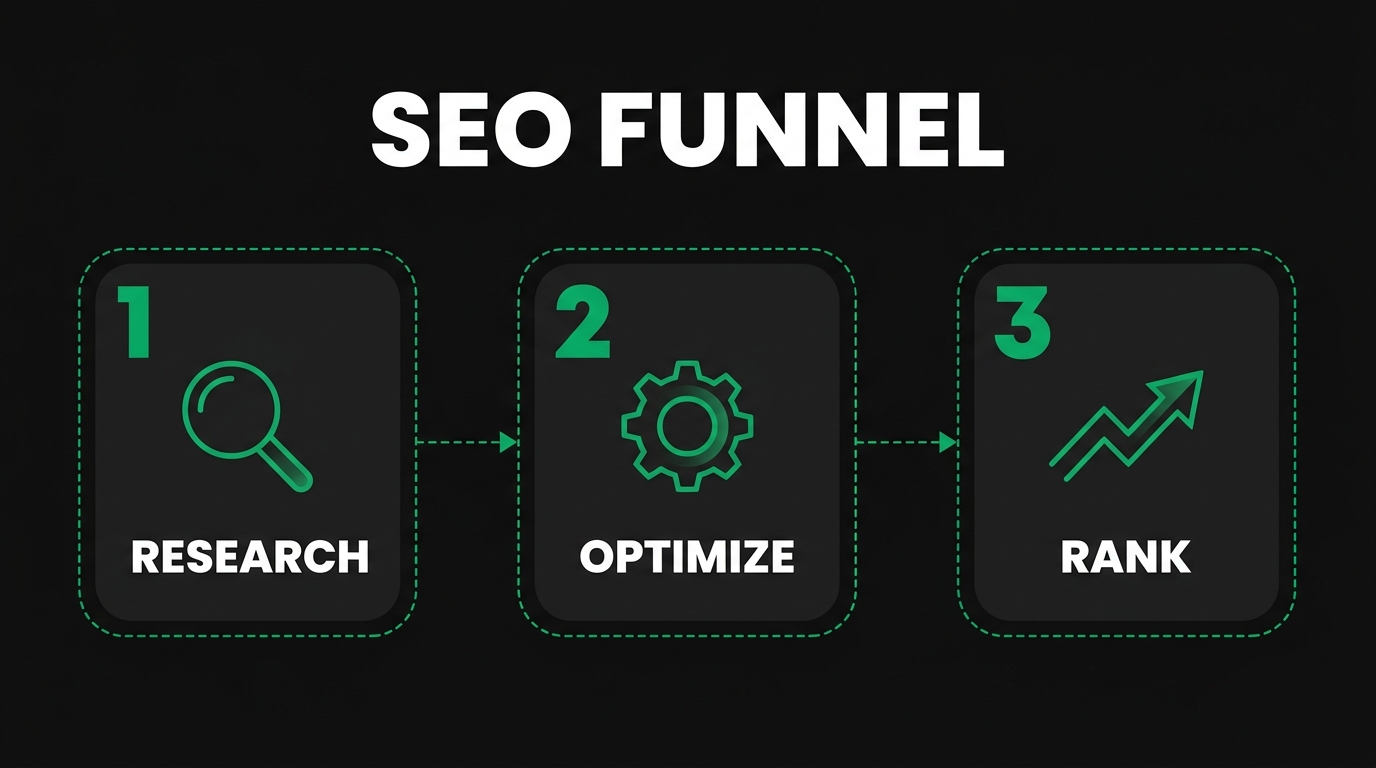
What On-Page SEO Elements Should Every Manufacturing Website Optimize?
On-page SEO elements every manufacturing website should optimize include title tags, meta descriptions, header structure, capability pages, and internal links. The sub-sections below cover each element with specific guidance for industrial pages.
How Should Title Tags and Meta Descriptions Be Written for Industrial Pages?
Title tags and meta descriptions for industrial pages should be written as specification-rich, distinct, concise summaries that match procurement queries.
Translate that into industrial practice by leading the title with the primary process or material plus the key qualifier, such as "Swiss Machining for Medical Implants | ISO 13485 Shop." Meta descriptions should preview the capability, certification, and call to action in plain language. Detailed seo strategies for manufacturing specifications extend these rules to spec-page architecture.
What Role Do Header Tags Play in Organizing Process and Capability Pages?
Header tags organize process and capability pages by signaling content hierarchy to crawlers and to engineers scanning for specifications. The Google Developer Documentation Style Guide states that headings range from H1 to H6 and that there should only ever be one H1 heading per URL. Apply that to a CNC capability page by making the H1 the process plus material, H2s the tolerance ranges and certification scope, and H3s the application examples.
How Can Manufacturers Optimize Product, Capability, and Service Pages?
Manufacturers can optimize product, capability, and service pages by giving each page one process or one product family, then layering specifications, tolerances, materials, finishes, and certifications inside structured content blocks. A page covering injection molding should include shot size range, clamp tonnage, resin compatibility, secondary operations, and certifications such as IATF 16949 or ISO 13485 where relevant. Add real photos of the machine cell, sample part galleries with ranges rather than exact part numbers, and a quote form positioned at the top of the page.
Why Are Internal Links Critical for Topical Authority on a Factory Website?
Internal links are critical for topical authority on a factory website because they consolidate equity around hub pages that procurement buyers reach first, then distribute that authority to specification-level child pages. Linking each material variation back to the parent process page (and vice versa) signals the site's full topical coverage of that capability.
Strong internal linking also rescues deep specification pages from orphan status, getting them crawled and indexed faster. The next section explains the technical foundations that make those links and pages reachable in the first place.
What Technical SEO Foundations Do Factory Websites Need?
Technical SEO foundations factory websites need are page speed, mobile rendering, schema markup, and clean crawl and indexing. The sub-sections below cover each foundation with concrete fixes for industrial sites. A focused industrial seo audit surfaces which foundation is holding a given factory site back.
How Does Site Speed Affect Manufacturing Lead Generation?
Site speed affects manufacturing lead generation directly because slow pages lose engineers and procurement buyers before any quote form loads.
Manufacturing pages carry heavy CAD imagery, spec PDFs, and machine videos that bloat load times. Compress images to next-gen formats, defer non-critical scripts, and serve fonts from local origins to bring Largest Contentful Paint under 2.5 seconds. Compare these tactics with broader heavy industry seo best practices to benchmark performance.
Why Is Mobile Optimization Essential for Buyers in Plants and on the Floor?
Mobile optimization is essential for buyers in plants and on the floor because procurement engineers, plant operators, and quality leads pull supplier specs on phones between machines, in hallways, and during shift changes. Pew Research Center reports that 16 percent of U.S. adults are smartphone-only internet users, meaning they own a smartphone but do not subscribe to home broadband, so mobile is often the only channel a buyer will use to vet a supplier.
What Schema Markup Should Manufacturers Implement?
Schema markup manufacturers should implement includes Organization, LocalBusiness, Product, Service, BreadcrumbList, and FAQPage. Add Service schema to each capability page with the process name, area served, and provider. Add Product schema to standard part catalogs. Add FAQPage schema to spec FAQs. Use sameAs references to Wikipedia and Wikidata entities for the process and certification names so Google's Knowledge Graph links the brand to recognized industry concepts.
How Do You Fix Crawl, Indexing, and Sitemap Issues on Industrial Sites?
You fix crawl, indexing, and sitemap issues on industrial sites by submitting an XML sitemap, fixing redirect chains, removing thin or duplicate spec pages from the index, and surfacing orphan pages through internal links. Google Search Central notes that sitemaps help search engines crawl large or complex sites more efficiently by listing important URLs so crawlers can find and prioritize valuable pages.
Strong technical foundations set up the content depth covered next.
How Can Manufacturers Build Content That Earns Rankings and Trust?
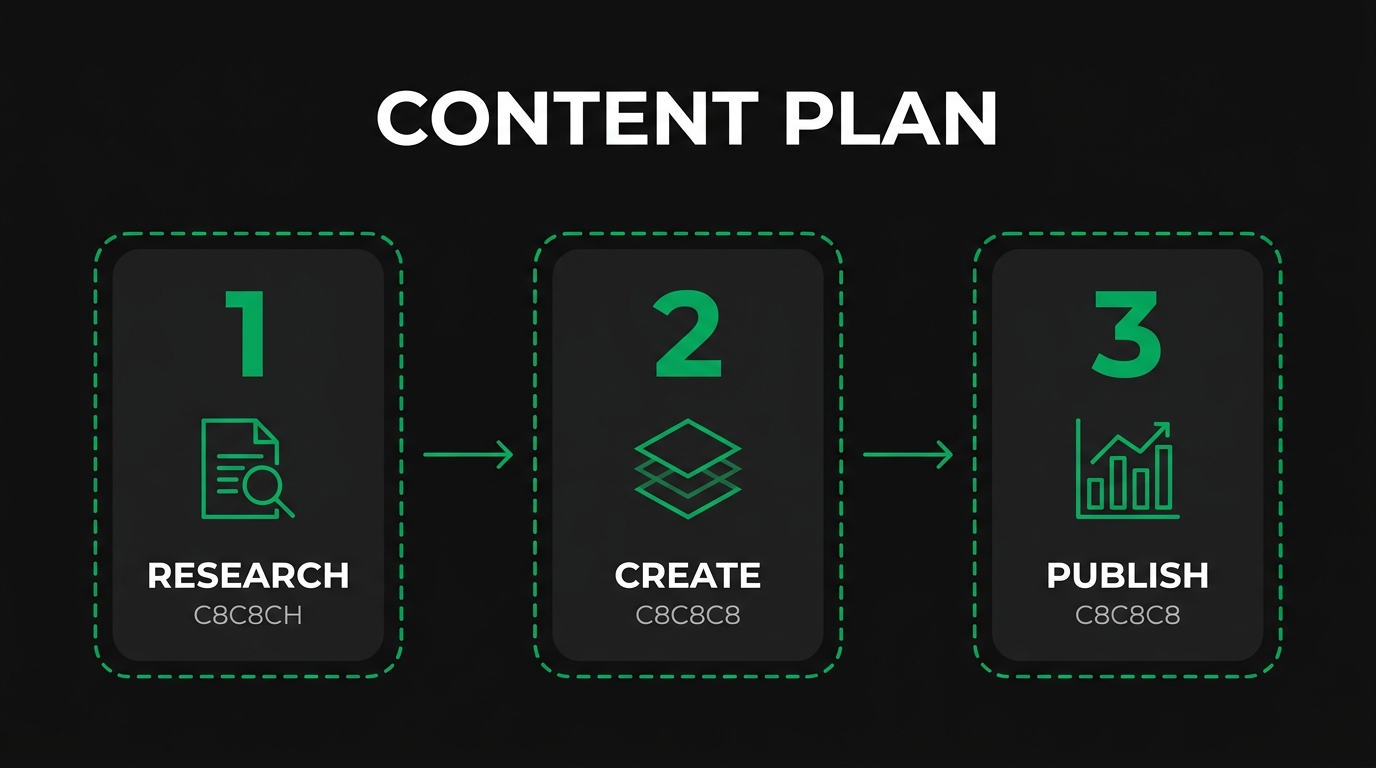
Manufacturers can build content that earns rankings and trust by publishing technically accurate capability pages, case studies, and spec sheets that demonstrate first-hand expertise. The sub-sections below cover formats, structure, depth, and avoiding generic copy.
What Content Formats Work Best for Engineering and Procurement Audiences?
Content formats that work best for engineering and procurement audiences are capability pages, case studies, spec sheets, comparison guides, and process tutorials with original imagery. Engineers want depth, proof points, and side-by-side specs, not lifestyle copy. Pair each format with technical drawings, real machine photos, and tolerances in standard units.
Reference adjacent guidance such as basic seo strategies for manufacturers when planning a content roadmap that spans the funnel.
How Do You Structure Capability Pages, Case Studies, and Spec Sheets for SEO?
You structure capability pages, case studies, and spec sheets for SEO by organizing them into hub-and-spoke clusters where each capability page links to relevant case studies and spec sheets, and every spec sheet links back.
Translate that into industrial practice by giving each process a hub page with FAQs, equipment lists, materials, and tolerances, then placing individual case studies and spec sheets one click below. The result is a topical map procurement buyers can navigate without bouncing.
Why Is Topical Depth More Effective Than Scattered Blog Posts?
Topical depth is more effective than scattered blog posts because Google ranks sites that demonstrate full coverage of a subject, not sites with isolated articles. A factory that publishes one thin "What is CNC machining" article cannot outrank a site with 40 interlinked pages covering each material, tolerance class, certification, and application.
Topical depth also serves engineers, who want to drill from a process overview down to a specific alloy spec without leaving the supplier's site.
How Do You Avoid Generic Content That Fails to Rank for Industrial Queries?
You avoid generic content that fails to rank for industrial queries by writing for the specification, not the persona. Generic copy uses words like "high quality" and "world class." Ranking copy uses "+/- 0.0005 inch tolerance," "AS9100D certified," "Inconel 718 with HIP treatment." Replace adjectives with measurements, certifications, and process parameters.
Genuine expertise compounds into authority, which sets up the local SEO leverage covered next.
How Does Local SEO Help Multi-Facility Manufacturers and Regional Suppliers?
Local SEO helps multi-facility manufacturers and regional suppliers by surfacing each plant in proximity-based searches, validating each location with consistent citations, and earning trust through reviews. The sub-sections below cover Google Business Profile setup, NAP consistency, location pages, and review strategy.
What Should Be Included in a Google Business Profile for a Factory?
A Google Business Profile for a factory should include the legal business name, exact street address, primary phone, primary category (such as Manufacturer or Metal Fabricator), service categories, hours, photos of the facility and equipment, certifications, and a link to the location-specific landing page. List service areas if the plant ships nationally and add posts for new capabilities, certifications, or capacity additions.
How Do NAP Consistency and Citations Influence Local Rankings?
NAP consistency and citations influence local rankings because Google validates a business location by cross-referencing name, address, and phone across authoritative directories.
Inconsistent NAP across Thomasnet, MFG, IndustrySelect, and the company's own contact pages confuses the algorithm and dilutes prominence signals. Run a quarterly audit, fix mismatches, and prioritize manufacturing-specific directories over generic local citation aggregators.
Why Do Location Pages Matter for Multi-Facility Manufacturers?
Location pages matter for multi-facility manufacturers because each plant has unique processes, certifications, and shipping geographies that must be discoverable independently. A unique URL per facility covering its address, equipment list, certifications, capacity, and notable customer industries earns local pack visibility for queries that include the city or state. Google Search Central guidance on E-E-A-T emphasizes that trust is the most important member of the family because untrustworthy pages have low E-E-A-T regardless of experience or expertise.
How Can Reviews and Trade Directories Boost Local Visibility?
Reviews and trade directories boost local visibility because review volume and trade-directory presence both feed Google's prominence signal. A ScienceDirect meta-analysis of online review purchase intention reports that over 99 percent of people consult online local business reviews at least some of the time, and positive reviews make 91 percent of consumers more likely to use a business.
Local visibility prepares the ground for the link-building program covered next.
How Should Manufacturers Approach Link Building and Off-Page SEO?
Manufacturers should approach link building and off-page SEO by earning placements in trade media, industry associations, and technical publications that procurement buyers actually read. The sub-sections below cover backlink types, leveraging trade outlets, digital PR, and link-quality measurement.
What Types of Backlinks Deliver the Most Authority for Industrial Sites?
Backlinks that deliver the most authority for industrial sites come from trade publications, industry associations, technical journals, university engineering departments, and major buyer directories.
For manufacturing, the link profile should weight relevance over volume: one citation in an industry journal carries more authority than a hundred from generic business directories. Lateral comparisons across pillar topics, including manufacturing seo for market share, help benchmark a credible link profile.
How Can Trade Publications, Associations, and Industry Media Be Leveraged?
Trade publications, associations, and industry media can be leveraged by contributing original technical articles, case-study features, and speaker bios to outlets procurement buyers and engineers already read. Examples include trade titles covering CNC, fabrication, additive, automation, and aerospace supply chains; standards bodies such as ISO and ASTM; and association sites including the National Association of Manufacturers.
Why Does Digital PR Outperform Generic Link Outreach for Manufacturers?
Digital PR outperforms generic link outreach for manufacturers because it places the brand inside articles that engineers and procurement managers actively reference, not in low-authority guest-post networks. A digital PR program for a factory produces original data such as capacity surveys, lead-time benchmarks, and material price studies, pitches that data to trade journalists, and earns coverage that links back to the brand's hub pages.
Subsector-specific PR produces sharper coverage than horizontal pitches because journalists cover those subsectors, not "manufacturing" in the abstract.
How Do You Measure the Quality and Relevance of Manufacturing Backlinks?
You measure the quality and relevance of manufacturing backlinks by reviewing the linking domain's topical relevance, traffic profile, link placement (in-content versus sidebar), and whether the article actually drives qualified traffic. A relevant link from a trade journal sending 50 visits a month often outperforms a high-DR generic link sending zero industrial readers.
The next section covers how to tie those backlinks, rankings, and visits to actual manufacturing revenue.
How Do You Measure SEO Performance and Tie It to Manufacturing Revenue?
You measure SEO performance and tie it to manufacturing revenue by tracking RFQs, pipeline value, and closed deals from organic search inside the CRM, not by tracking keyword rankings in a vacuum. The sub-sections below cover KPIs, attribution, reporting cadence, and analytics-driven refinement.
Which KPIs Matter Most for Factory SEO Programs?
KPIs that matter most for factory SEO programs are organic RFQ volume, pipeline value sourced from organic, average deal size from organic, sales-qualified lead rate, and closed-won revenue tagged to organic touchpoints. Vanity metrics like total keyword count and impressions matter only as leading indicators.
Subsector dynamics shift, so SEO KPIs should be benchmarked against the manufacturer's own segment, not horizontal averages.
How Do You Track RFQs, Pipeline Value, and Closed Revenue from Organic Search?
You track RFQs, pipeline value, and closed revenue from organic search by tagging every form submission with source, medium, and landing page, then passing those values to the CRM where opportunity stage and dollar value live. Use UTM parameters on internal campaigns, server-side conversion tracking on quote forms, and offline conversion imports back into Google Analytics or the marketing data warehouse.
Match each opportunity to its first organic landing page so pipeline can be attributed by topic cluster.
What Reporting Cadence and Tools Support Continuous Improvement?
Reporting cadence and tools that support continuous improvement include weekly traffic and indexing checks in Google Search Console, monthly content and ranking reviews, and quarterly business reviews tying pipeline to topical clusters. Use Search Console for query data, GA4 for behavioral and conversion data, the CRM for revenue, and a unified data layer such as BigQuery or Looker to join them.
How Do You Use Analytics to Refine Keyword and Content Strategy?
You use analytics to refine keyword and content strategy by reading which queries and pages drive RFQs, then doubling down on topics that convert and pruning topics that pull traffic without revenue. Identify pages with high impressions but low click-through rate and rewrite titles and intros. Identify pages with high traffic and zero conversions and add stronger calls-to-action or technical proof.
This leads into how a focused partner can accelerate the work.
How Should You Approach Manufacturing SEO with Manufacturing SEO Agency?
You should approach manufacturing SEO with Manufacturing SEO Agency by engaging a manufacturing-only partner that maps procurement-intent keywords to process, material, and certification combinations and ties rankings to RFQs. The sub-sections cover procurement-intent keyword architecture and the key takeaways.
Can Manufacturing SEO Agency's Procurement-Intent Keyword Architecture Help Your Factory Rank for Buyer Queries?
Manufacturing SEO Agency's procurement-intent keyword architecture can help your factory rank for buyer queries by clustering keywords around the exact process, material, and certification phrases procurement managers and design engineers type during sourcing. Manufacturing SEO Agency maps every cluster to a stage of the procurement journey, from initial material research to supplier evaluation to RFQ submission, then aligns capability pages, content, and internal links to each stage. Because Manufacturing SEO Agency is a manufacturing-focused seo agency that refuses retail and SaaS clients, the architecture reflects procurement reality rather than generic playbooks.
What Are the Key Takeaways About Basic SEO Strategies for Manufacturing & Factories We Covered?
The key takeaways about basic SEO strategies for manufacturing and factories covered in this guide are that procurement buyers research suppliers through technical queries before any sales contact, that keyword research must map process, material, certification, and application terms to the full RFQ funnel, and that on-page and technical foundations decide whether engineers ever see the page. Topical depth across every process and certification outperforms scattered blog posts, local SEO surfaces each plant in proximity searches, trade-media link building builds the right authority, and revenue-tied measurement closes the loop. Factories that execute this stack consistently earn the qualified RFQs that compound into pipeline and closed revenue.