Basic SEO strategies for manufacturers are the foundational practices that help industrial websites rank for the process, material, and certification queries that procurement managers and design engineers use to source suppliers. We define these strategies as a coordinated mix of search foundations, on-page and technical optimization, content, links, local visibility, and measurement.
This guide covers what SEO is and why it matters for manufacturers, how to research procurement-intent keywords, how to optimize on-page elements, the technical SEO foundations industrial sites need, content patterns that rank and convert, link-building approaches, local and multi-facility SEO, and performance measurement.
The first theme grounds SEO in manufacturing reality, explaining how organic search shapes RFQs and supplier discovery for B2B buyers who increasingly research alone.
Procurement-intent keyword research and on-page optimization translate that demand into structured pages that match how engineers and purchasers actually search, with title tags, headers, schema, and capability page architecture aligned to specifications.
Technical SEO foundations cover site speed, mobile experience, crawlability, HTTPS, canonical handling, and architecture, ensuring search engines can index every product, process, and capability page reliably.
Content, links, and local SEO build authority through case studies, whitepapers, trade-publication backlinks, internal linking, Google Business Profile optimization, and consistent NAP citations across multiple facilities.
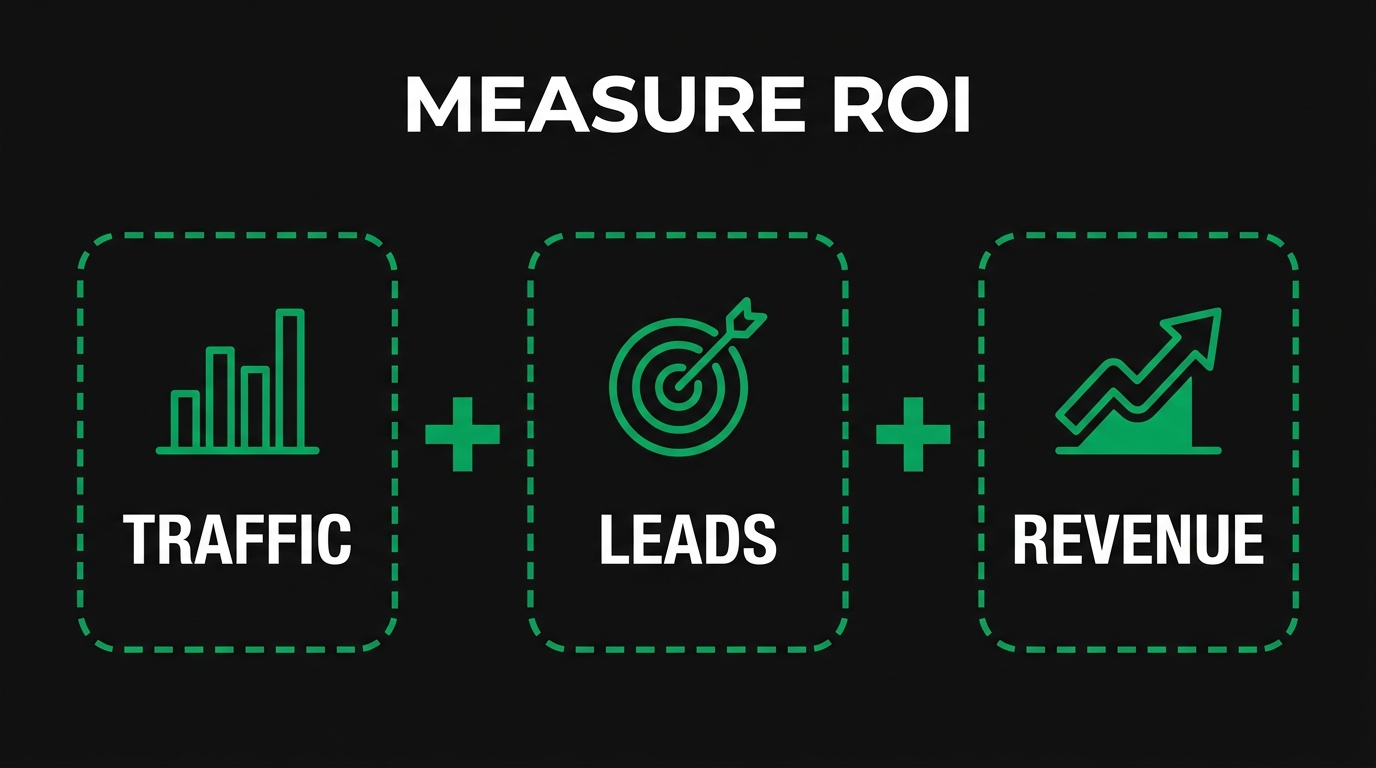
Measurement closes the loop by tying organic rankings to RFQs, pipeline value, and revenue, with reporting cadences that prove SEO impact rather than reporting keyword positions in isolation.
What Is SEO and Why Does It Matter for Manufacturers?
SEO matters for manufacturers because it places industrial websites in front of procurement managers, design engineers, and sourcing buyers at the moment they search for processes, materials, and certifications. The sub-sections below define SEO in a manufacturing context, explain why B2B buyers rely on search engines, and trace how organic search shapes RFQs and sales.
What Does Search Engine Optimization Mean in a Manufacturing Context?
Search engine optimization in a manufacturing context means structuring an industrial website so search engines surface its capability, process, and material pages for the technical queries buyers type. It aligns process names (CNC machining, injection molding), material specifications, and certification labels (ISO 9001, AS9100, NADCAP) with how Google understands and ranks supplier pages.
For broader foundational context, see what is industrial seo.
Why Do B2B Buyers Use Search Engines to Source Suppliers?
B2B buyers use search engines to source suppliers because they prefer to research independently before contacting sales.
Engineers and purchasing managers query process names, tolerances, and certifications before any RFQ.
How Does Organic Search Influence Manufacturing RFQs and Sales?
Organic search influences manufacturing RFQs and sales by determining which suppliers reach the shortlist. Buyers find supplier websites through process and material queries, evaluate capabilities, then submit RFQs to the few that match their specs.
Organic visibility compounds: each ranking page captures non-branded demand and feeds qualified leads continuously. For applied tactics, see basic seo strategies for factories. The next section translates this demand into procurement-intent keyword research.
How Should Manufacturers Conduct Keyword Research for Procurement Intent?
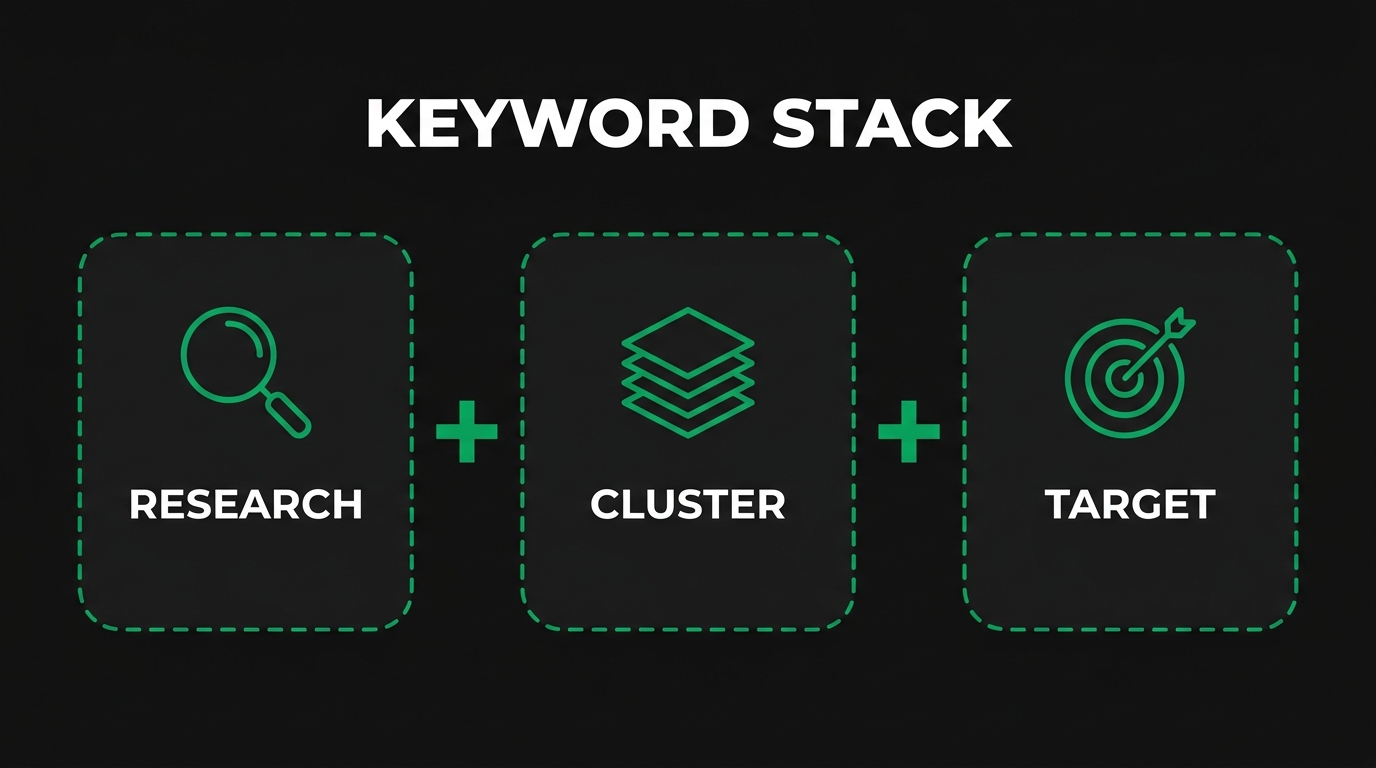
Manufacturers should conduct keyword research for procurement intent by mapping the exact terms buyers use across the sourcing funnel, anchored to processes, materials, certifications, and applications. The H3s below cover what procurement-intent keywords are, how to identify process and material queries, which tools surface industrial demand, and how to map keywords to funnel stages.
What Are Procurement-Intent Keywords for Manufacturing?
Procurement-intent keywords for manufacturing are search queries that signal active sourcing, evaluation, or RFQ readiness. These queries combine a process, a material grade, a tolerance, a certification, or an application. Examples include "5-axis CNC machining titanium aerospace parts," "AS9100 sheet metal fabrication shop," and "ISO 13485 injection molding contract manufacturer."
Vertical-specific buyers, including OEMs, follow the same procurement query patterns. For OEM-specific keyword strategy, see what is oem seo.
How Do You Identify Process, Material, and Certification Search Terms?
You identify process, material, and certification search terms by combing through capability sheets, certification certificates, RFQ archives, and customer call transcripts, then validating volume in keyword tools. List every process you offer (turning, milling, EDM, swaging), every material you machine (Inconel 718, 6061-T6, PEEK), and every certification you hold (ITAR, NADCAP, IATF 16949). Combine them into long-tail clusters. Cross-reference Google autocomplete and People Also Ask.
Which Tools Help Manufacturers Find Industrial Search Queries?
The tools that help manufacturers find industrial search queries include Google Search Console, Google Keyword Planner, Bing Webmaster Tools, the Google PageSpeed Insights data set, and industrial directories such as Thomas. Google Search Console reveals queries already driving impressions to capability pages. Keyword Planner and Bing Webmaster Tools surface adjacent procurement terms. Vertical platforms expose buyer-side demand patterns.
How Do You Map Keywords to the Procurement Funnel?
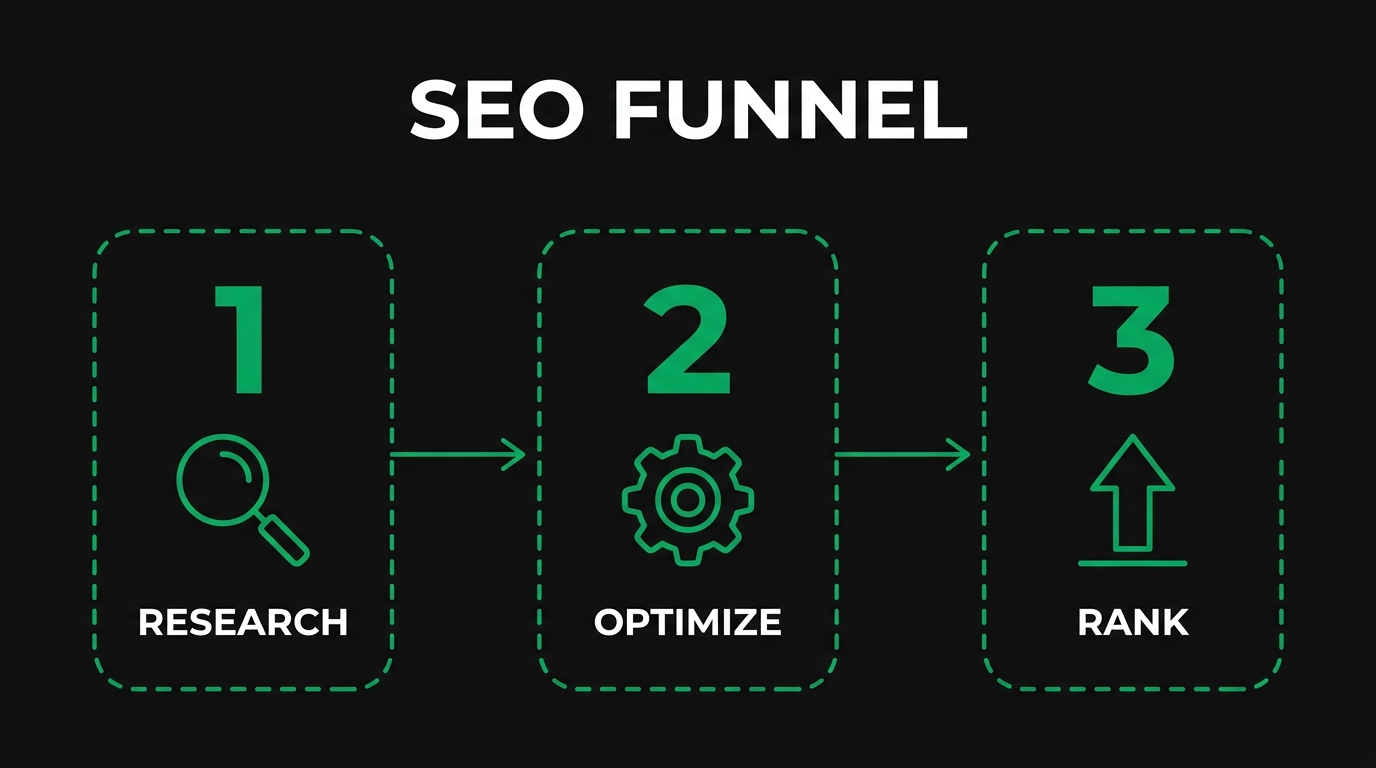
You map keywords to the procurement funnel by tagging each query as initial research, supplier evaluation, or RFQ-ready, then matching content to each stage. Initial research queries (definitions, process explainers) feed top-of-funnel guides. Evaluation queries (process plus certification plus location) feed capability and certification pages. RFQ-ready queries (long-tail process plus material plus tolerance plus volume) feed product, service, and quote pages.
How Should Manufacturers Optimize On-Page Elements for Search?
Manufacturers should optimize on-page elements for search by writing precise titles and descriptions, structuring headers around procurement intent, organizing capability pages by process and material, and adding schema markup that grounds entities. The H3s below cover title and meta tags, header structure, page architecture, and schema implementation.
How Do You Write Title Tags and Meta Descriptions for Manufacturing Pages?
Title tags and meta descriptions for manufacturing pages should name the process, material, certification, and application in plain procurement language.
Title tags should lead with the procurement-intent term and end with the brand. Avoid vague descriptors. Include a certification or material spec when relevant.
What Header Structure Works Best for Process and Capability Pages?
The header structure that works best for process and capability pages uses a single H1 for the page topic, H2s for capabilities or sub-processes, and H3s for materials, tolerances, or certifications.
Headings should mirror buyer queries. Avoid stylistic-only headings.
How Should Product, Process, and Capability Pages Be Structured?
Product, process, and capability pages should be structured around one specific procurement intent per page, with a clear definition, a specs table, a capability matrix, certifications, and a quote or RFQ call-to-action. Lead with the direct answer to the page's query. Follow with process specifications, materials served, tolerances achieved, and equipment list. Include certification logos with text labels. Close with case studies and a quote form.
Why Is Schema Markup Important for Manufacturing Websites?
Schema markup is important for manufacturing websites because it tells search engines what entities (products, processes, organizations, certifications) appear on a page, which improves rich-result eligibility and entity grounding. Use Organization schema with Wikipedia sameAs references for entity grounding. Use Product schema for individual SKUs, Service schema for capabilities, and FAQPage schema for procurement Q&A.
Schema markup turns marketing copy into machine-readable facts. Technical foundations covered next determine whether those signals reach Google.
What Technical SEO Foundations Do Manufacturing Sites Need?
Technical SEO foundations manufacturing sites need include fast Core Web Vitals, mobile usability, clean crawlability, and a secure, well-architected site. The H3s below cover site speed, mobile optimization, crawl and index health, and HTTPS, canonical, and architecture decisions.
How Does Site Speed Affect B2B Manufacturing Conversions?
Site speed affects B2B manufacturing conversions by determining whether a buyer waits for a capability page or bounces.
Why Is Mobile Optimization Critical for Industrial Buyers?
Mobile optimization is critical for industrial buyers because procurement managers, plant operators, and engineers research suppliers from smartphones during plant walkthroughs, trade shows, and field visits.
A capability page that breaks on a phone loses an RFQ. Use responsive layouts, readable spec tables, tap-friendly quote forms, and compressed images.
What Crawlability and Indexing Issues Affect Manufacturing Sites?
Crawlability and indexing issues affect manufacturing sites in several ways: orphaned capability pages, duplicate content from product variants, blocked JavaScript that hides specs, and mis-configured robots.txt.
Submit a clean XML sitemap. Audit Search Console coverage reports. Fix soft 404s. Internal-link every important page from at least one high-authority hub.
How Do HTTPS, Canonical Tags, and Site Architecture Strengthen Rankings?
HTTPS, canonical tags, and site architecture strengthen rankings by signaling trust, deduplicating content, and consolidating link equity. HTTPS encrypts all traffic and is a baseline ranking signal.
Canonical tags resolve duplicate URLs from filters, sessions, and tracking parameters. A flat, logical architecture (home, pillar, capability, sub-capability) shortens crawl paths and concentrates authority on the pages that win RFQs. The next section turns architecture into content that earns rankings.
How Can Manufacturers Build Content That Ranks and Converts?
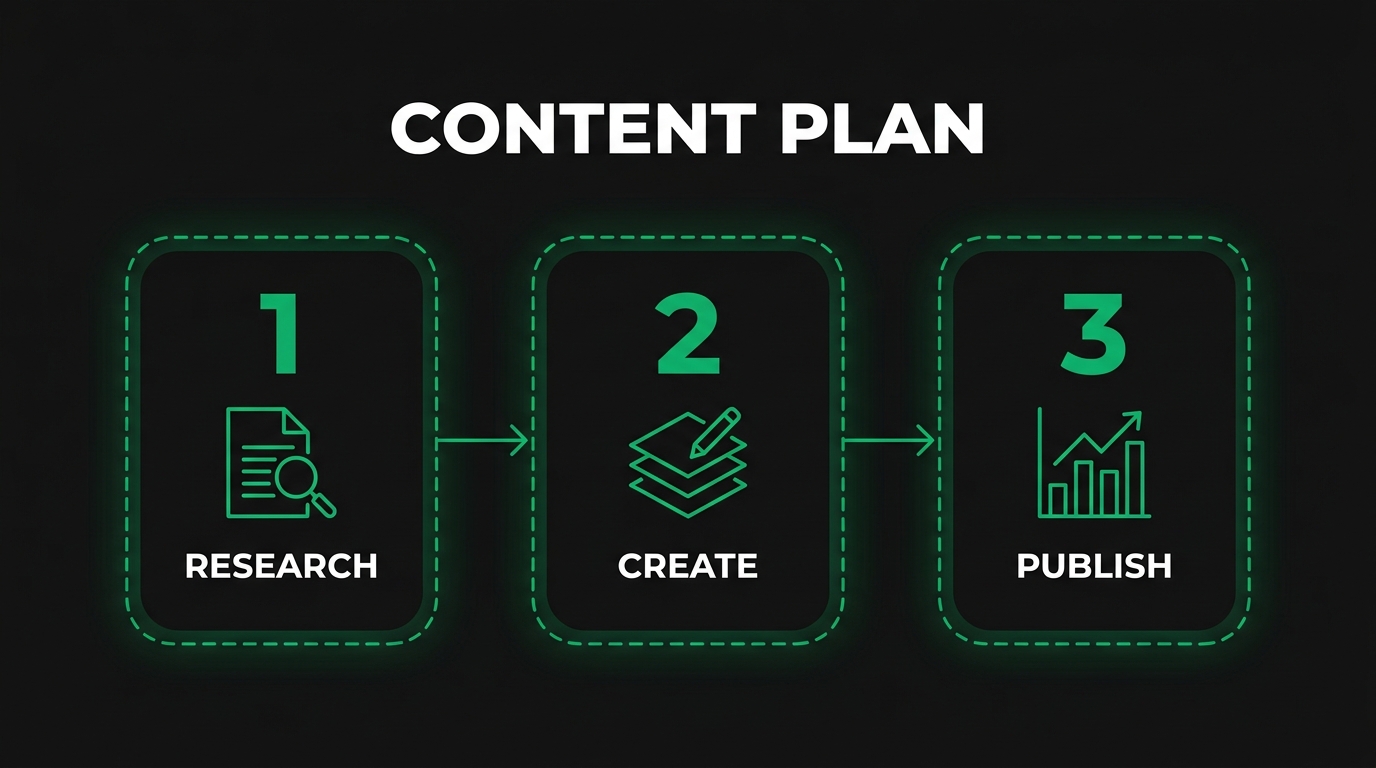
Manufacturers can build content that ranks and converts by publishing technical content matched to procurement intent, supporting it with case studies and whitepapers, sustaining a steady cadence, and reinforcing E-E-A-T through engineering depth. The H3s below cover content types, lead-driving formats, publishing cadence, and trust signals.
What Types of Content Should a Manufacturer Publish?
The types of content a manufacturer should publish include capability pages, process explainers, material guides, certification overviews, application case studies, technical whitepapers, FAQ pages, and video walkthroughs of facilities. Each type serves a different funnel stage. Capability pages serve evaluation and RFQ intent. Process and material guides serve research intent. Certification overviews answer compliance gatekeeper questions.
For a deeper playbook, see the content marketing guide for manufacturers. Manufacturing SEO Agency offers manufacturing content marketing services tailored to industrial topical maps.
How Do Case Studies, Specifications, and Whitepapers Drive Leads?
Case studies, specifications, and whitepapers drive leads by giving buyers the evidence they need to shortlist a supplier.
Case studies prove process capability against named applications. Specifications show tolerance, material range, and equipment. Whitepapers demonstrate engineering depth. Each format closes a specific buyer doubt. For evidence patterns, see examples of successful b2b seo and manufacturing seo case studies.
How Often Should Manufacturers Publish New Content?
Manufacturers should publish new content on a sustained, predictable cadence rather than in sporadic bursts.
How Do You Demonstrate Expertise, Authority, and Trust in Industrial Content?
You demonstrate expertise, authority, and trust in industrial content by attaching real engineers to bylines, citing process tolerances and certifications, naming equipment, publishing audit-ready quality data, and building complete topical maps. Use first-party photos of shop floors, parts, and CMM reports. Reference standards by number (ISO 9001:2015, AS9100D, IATF 16949).
To go deeper on coverage strategy, see build topical authority in industrial seo. Authority compounds when content, links, and signals reinforce one another, which the next section addresses.
How Do Manufacturers Earn Authoritative Backlinks?
Manufacturers earn authoritative backlinks by publishing data and capability evidence worth citing, pitching trade publications, contributing to industry directories, and reinforcing internal authority with disciplined linking. The H3s below cover what counts as a high-quality backlink, which trade outlets to target, how to run digital PR, and internal linking patterns.
What Counts as a High-Quality Backlink for an Industrial Site?
A high-quality backlink for an industrial site is an editorial link from a relevant, non-paid, topically authoritative domain in the manufacturing or buyer-vertical ecosystem. Examples include trade publications, engineering association sites, government and academic resources, and supplier directories with editorial review.
Avoid private blog networks, paid-link schemes, and irrelevant guest posts.
Which Trade Publications and Directories Should Manufacturers Target?
The trade publications and directories manufacturers should target depend on the served vertical: aerospace suppliers target outlets covering aerospace manufacturing, medical-device suppliers target medical-device journals, and metalworking shops target machining and fabrication publications. Industrial directories with editorial standards, including platforms used by procurement teams, also confer authority.
How Do Manufacturers Use Digital PR and Editorial Outreach?
Manufacturers use digital PR and editorial outreach by publishing original data, plant tours, application case studies, and technical commentary, then pitching those assets to journalists and trade editors.
Provide editors with verifiable specs, photos, and engineer quotes. Pitch with a topical hook (industry shift, regulatory change, supply chain event). Earned coverage drives links and credibility together. For a tactical workflow, see how to use moz link explorer for industrial.
What Internal Linking Patterns Help Manufacturing Topical Authority?
Internal linking patterns that help manufacturing topical authority include hub-and-spoke pillar structures, contextual anchors, and consistent navigation from capability hubs to detail pages. Each pillar (a process, a material, a vertical) connects to its sub-topics, which connect back upward, forming closed topical clusters. Use anchor text matching the destination's primary query. Avoid generic anchors like "click here." Internal links pass equity and signal topical relationships to crawlers.
Local and multi-facility SEO comes next, applying these foundations to physical plants.
How Should Manufacturers Approach Local and Multi-Facility SEO?
Manufacturers should approach local and multi-facility SEO by claiming and optimizing each plant's Google Business Profile, building dedicated location pages for every facility, and maintaining consistent NAP citations across industrial directories. The H3s below cover Profile optimization, location-page architecture, and citation hygiene.
How Do You Optimize a Google Business Profile for a Manufacturing Plant?
You optimize a Google Business Profile for a manufacturing plant by completing every field, listing exact processes and certifications in the description, posting facility photos, selecting the correct manufacturer category, and collecting reviews from named buyer contacts.
Add service areas, operating hours for visiting buyers, and links to capability pages.
How Should Multi-Facility Manufacturers Structure Location Pages?
Multi-facility manufacturers should structure location pages with one indexable page per facility, each carrying a unique address, NAP block, certification list, capability summary, equipment list, key personnel, and embedded map. Avoid templated boilerplate. Each page should answer: what is made here, which certifications apply here, who runs the plant, how a buyer requests a quote here. Link the location page from the parent capability hub and from the global location selector. Include reviews and testimonials specific to that plant.
What NAP and Citation Practices Help Industrial Visibility?
NAP and citation practices that help industrial visibility include a single canonical address format for each facility, identical name and phone across every directory listing, and presence in the trade-specific directories buyers actually use. Consistency is the rule: variations in suite numbers, abbreviations, or phone formats erode local trust signals.
Audit citations quarterly. Correct discrepancies promptly. Measurement, covered next, ties this visibility to RFQs.
How Do Manufacturers Measure and Report SEO Performance?
Manufacturers measure and report SEO performance by tracking the metrics that map to procurement intent, tying organic rankings to RFQs and pipeline value, and reporting on a cadence aligned to sales cycles. The H3s below cover the metrics that matter, attribution to RFQ and pipeline, and reporting cadence.
Which SEO Metrics Matter Most for Manufacturers?
The SEO metrics that matter most for manufacturers are non-branded organic impressions and clicks for procurement-intent queries, capability-page rankings, indexed-page coverage, qualified RFQ submissions from organic, and Core Web Vitals scores for capability pages. Track per-page conversion to RFQ.
How Do You Tie Organic Rankings to RFQs and Pipeline Value?
You tie organic rankings to RFQs and pipeline value by integrating CRM data with analytics, tagging form submissions with originating page and query, and tracking each RFQ through to closed revenue. Pipe organic-source RFQs into the CRM with first-touch URL and search query attached. Calculate revenue per ranking page. Calculate cost per qualified RFQ by channel.
What Reporting Cadence Works Best for Manufacturing SEO Programs?
The reporting cadence that works best for manufacturing SEO programs is a layered cycle: weekly operational checks, monthly performance reviews, and quarterly business reviews aligned to sales-cycle length. Weekly checks catch indexing and ranking incidents. Monthly reviews cover keyword movement, capability-page conversion, and content velocity. Quarterly business reviews tie organic to RFQs, pipeline value, and closed revenue.
The bridge section that follows ties this measurement discipline back to a working program.
How Can Manufacturing SEO Agency Help Implement These Basic SEO Strategies?
Manufacturing SEO Agency helps implement these basic SEO strategies by running a procurement-intent program that covers keyword architecture, on-page and technical SEO, content, links, local visibility, and revenue-tied reporting. The H3s below describe the program build and recap the article's key takeaways.
Can Manufacturing SEO Agency Build a Procurement-Intent SEO Program for Your Business?
Yes, Manufacturing SEO Agency can build a procurement-intent SEO program for your business by mapping process, material, and certification keywords to RFQ stages, then executing across technical SEO, capability content, trade-publication link building, and CRM-integrated reporting. Manufacturing SEO Agency works only with industrial clients, including CNC machining, injection molding, metal fabrication, additive, aerospace, and OEM operations. Engagements start at $5,000 per month and scale for multi-facility enterprises. As manufacturing seo experts, Manufacturing SEO Agency ties every ranking page to RFQs, pipeline value, and closed revenue, and offers manufacturing content marketing services that turn capability pages into qualified buying activity.
What Are the Key Takeaways About Basic SEO Strategies for Manufacturers We Covered?
The key takeaways about basic SEO strategies for manufacturers we covered are: target procurement-intent queries built from process, material, and certification combinations; structure on-page elements around capability pages with schema; fix the technical foundations that gate crawl and indexation; publish topical content that answers buyer questions; earn trade-publication backlinks; optimize each plant's local presence; and report in RFQs and revenue, not vanity rankings. Together these moves move a manufacturing site from invisible to shortlisted on the queries buyers actually type.