Topical authority in industrial SEO is the depth, breadth, and structural completeness with which a manufacturing website covers every process, material, certification, and application a procurement audience searches for. We treat it as a system, not a content count. Each page contributes a defined slice of meaning, and the site graph as a whole proves to search engines and language models that the brand is the canonical source for its niche.
This guide covers the definition of topical authority for industrial sites, the core technical components, topic identification, content cluster structure, writing practices that earn subject matter authority, citation and link strategies, AI search optimization, measurement, common mistakes, and an applied path forward.
We define how topical authority differs from domain authority for manufacturers and why search engines and large language models reward fully covered niches over surface-level posts.
We map the components that hold authority together, including topical maps, entities, knowledge graph signals, internal linking, and schema markup tuned for process, material, and certification pages.
We describe how to identify the right topics through procurement-intent query mapping, keyword research methods built for hidden industrial demand, competitor gap audits, and the highest-value clusters in aerospace, medical, and automotive verticals.
We then walk through pillar-and-cluster structure, hub page anchoring, supporting article volume, and publication sequencing that compounds authority gain.
Finally, we cover writing practices that match procurement-engineer expectations, citation discipline, link earning from trade media and standards bodies, AI search and generative engine optimization, KPI design tied to RFQs and pipeline, and the recovery patterns that fix scattered legacy content.
What Is Topical Authority in Industrial SEO?
Topical authority in industrial SEO is the demonstrable expertise a manufacturing website projects across every process, material, and certification its buyers research. The concept pairs with what is industrial seo and separates surface posts from full-coverage strategy.
How Does Topical Authority Differ From Domain Authority for Manufacturers?
Topical authority differs from domain authority for manufacturers because it measures depth on a defined subject set, while domain authority approximates a sitewide link strength score. A high domain authority site can still lose a CNC titanium aerospace query to a smaller manufacturer that has covered the full process, material, and certification combinations.
Authority follows coverage completeness. Topical authority is a structural property of the content graph itself, expressed through pages, internal links, and entity signals.
Why Does Topical Authority Matter for Procurement-Driven Search?
Topical authority matters for procurement-driven search because buyers issue precise queries that combine process, material, certification, and application, and only sites with full coverage rank reliably across that pattern. Procurement teams enter "5-axis CNC titanium AS9100 aerospace bracket" rather than "machining." Each combination represents an RFQ candidate. Sites that cover only the headline terms miss the long tail where intent concentrates. Topical authority signals to Google that a manufacturer is a credible answer for an entire procurement category, not a stray post. That credibility maps to ranking persistence, click-through from technical buyers, and lower acquisition cost across the funnel.
Which Search Engines and AI Systems Reward Topical Authority for Industrial Sites?
Search engines and AI systems that reward topical authority for industrial sites include Google, Bing, and large language model assistants that surface manufacturer answers.
The same logic informs query understanding in commercial verticals. Search engines parse the entity graph of a site, and language models prefer canonical sources with consistent coverage. Both reward manufacturers whose pages express clear topical scope.
What Are the Core Components of Topical Authority for Manufacturing Websites?
The core components of topical authority for manufacturing websites are topical maps, entity signals, internal linking architecture, and schema markup. Together they translate process, material, and certification expertise into machine-readable structure that search engines and language models can rank and cite.
How Do Topical Maps Define Coverage for Process, Material, and Certification Themes?
Topical maps define coverage for process, material, and certification themes by listing every combination a buyer might search and assigning each one to a planned URL. For an injection molder, a topical map enumerates resin grades, mold classes, tolerances, regulatory targets such as FDA 21 CFR or USP Class VI, and end-use applications. Each leaf node becomes a content candidate. The map prevents accidental gaps and forces parity across competitive lanes. A documented map also doubles as a measurement instrument, since coverage percentages and indexed-URL counts can be tracked against the planned graph month over month.
What Role Do Entities and Knowledge Graph Signals Play in Industrial SEO?
Entities and knowledge graph signals play the role of disambiguating a manufacturer's identity, processes, materials, and certifications so search engines can connect pages to a stable concept network. An entity is a thing with attributes and relationships, like AS9100 or Inconel 718.
When pages name entities consistently and express relationships in clean subject-predicate-object form, Google's systems map the manufacturer into the broader knowledge graph.
How Do Internal Linking Structures Reinforce Authority Across a Manufacturing Domain?
Internal linking structures reinforce authority across a manufacturing domain by routing crawl, distributing relevance signals, and making the topical graph visible to search engines.
Hub pages connect to cluster supports through descriptive anchors that mirror the topic map. Cross-cluster links bridge adjacent processes such as machining and finishing.
Which Schema Markup Types Strengthen Topical Authority for Industrial Pages?
Schema markup types that strengthen topical authority for industrial pages include Organization, Manufacturer, Product, ProductModel, Service, FAQPage, BreadcrumbList, and Article. ProductModel suits specification pages where the manufacturer publishes a datasheet rather than a buy-button. JSON-LD payloads should declare sameAs links to Wikipedia, Wikidata, and standards body identifiers when applicable.
For a deeper intro, see our basic seo strategies for manufacturers. Authority compounds when schema, entities, and internal links agree.
How Do You Identify the Right Topics to Build Authority Around in Industrial SEO?
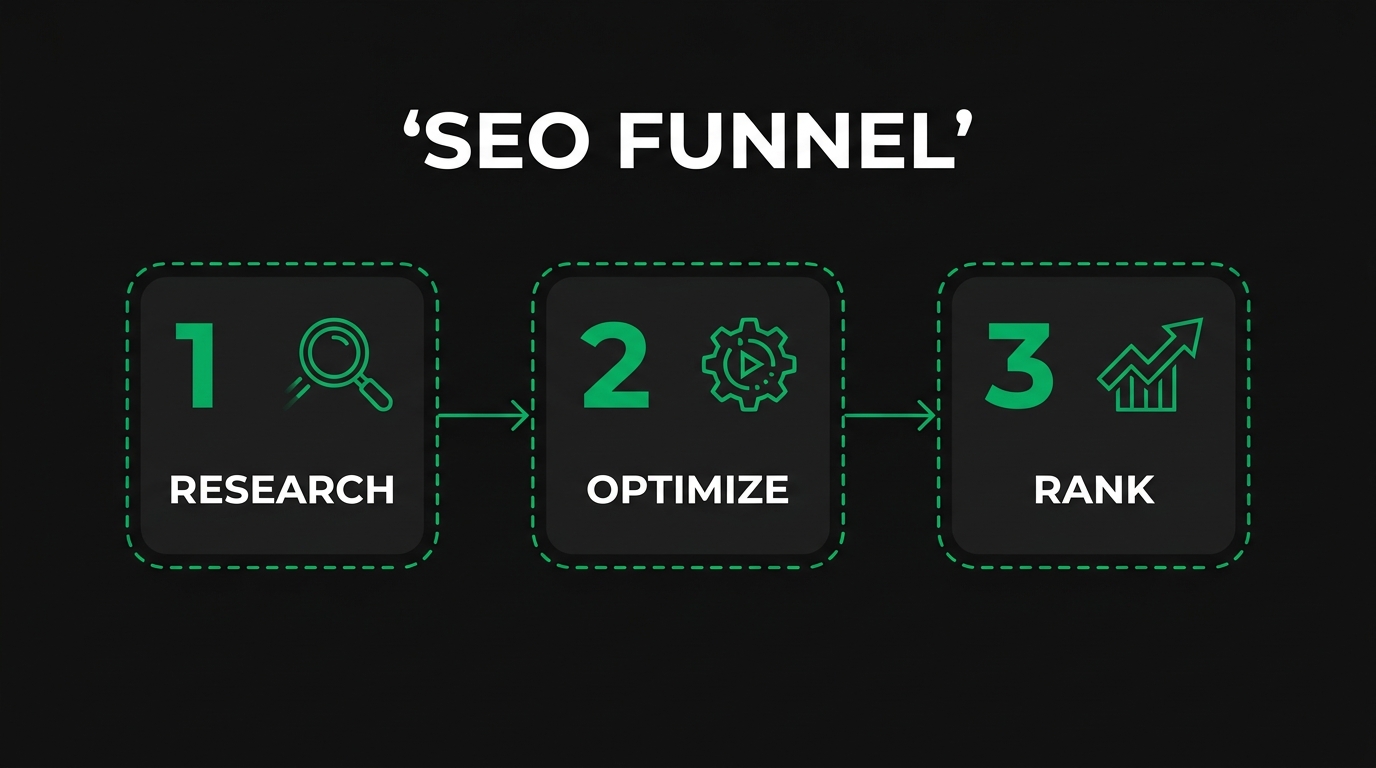
You identify the right topics to build authority around in industrial SEO by mapping procurement-intent queries, mining hidden manufacturing demand, auditing competitor coverage, and prioritizing the highest-value clusters in regulated verticals. The four steps feed one canonical topic plan.
How Do You Map Procurement-Intent Queries to Process, Material, and Certification Combinations?
You map procurement-intent queries to process, material, and certification combinations by enumerating each axis and crossing them in a single matrix. The process axis lists every operation a buyer searches, such as 5-axis machining, EDM, or laser welding. The material axis lists grades and specifications, like Inconel 718 or PEEK. The certification axis lists AS9100, ISO 13485, NADCAP, IATF 16949, and customer-specific approvals. The intersection points become URLs.
Which Keyword Research Methods Surface Hidden Industrial Search Demand?
Keyword research methods that surface hidden industrial search demand include log mining, B2B clickstream analysis, autocomplete harvesting, and forum scraping. Trade forums, supplier RFQ portals, and standards body discussion threads expose vocabulary that classical tools miss. Pair tool exports with sales transcripts to capture the in-call phrases buyers use.
Compare tool coverage in our semrush vs ahrefs for industrial seo guide.
How Do You Audit Competitor Topical Coverage Gaps in Manufacturing Niches?
You audit competitor topical coverage gaps in manufacturing niches by extracting every ranking URL for the top three competitors in your process category and reverse-mapping their titles into your topic matrix. Empty cells where competitors rank become priority briefs. Cells where your pages already exist but underperform become rewrite candidates. Pair the audit with a backlink overlap report to see which gaps come paired with citation gaps. A full walkthrough lives in our competitor analysis for industrial seo guide. The goal is parity plus a clear differentiation lane in two or three subtopics where your operation wins on data.
What Are the Highest-Value Topic Clusters for Aerospace, Medical, and Automotive Manufacturers?
The highest-value topic clusters for aerospace, medical, and automotive manufacturers are certification-anchored process and material combinations such as AS9100 5-axis titanium machining, ISO 13485 medical-grade injection molding, and IATF 16949 automotive stamping.
Build clusters around the certification, process, material, application chain and own the long tail. Coverage choices here drive disproportionate pipeline.
How Do You Structure Content Clusters to Establish Industrial Subject Matter Authority?
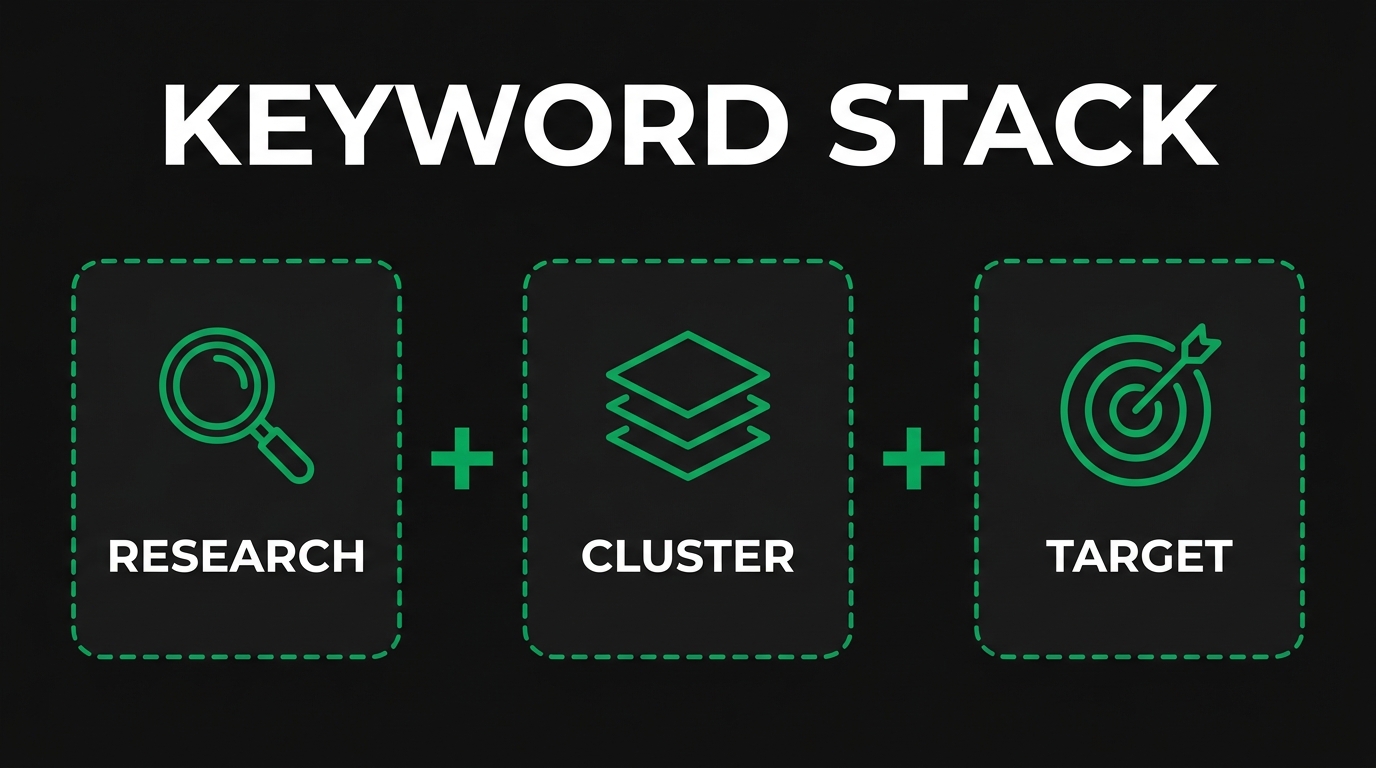
You structure content clusters to establish industrial subject matter authority by anchoring each topic in a hub page, surrounding it with supporting articles, and sequencing publication so internal links and entity coverage compound. The result reads as a planned graph, not a blog feed.
What Is the Pillar-and-Cluster Model for Manufacturing Content?
The pillar-and-cluster model for manufacturing content is a structural pattern where one broad pillar page covers a parent topic and many narrower cluster pages address specific subtopics, all linked back to the pillar. A pillar might cover "5-axis CNC machining" while clusters cover materials, tolerances, certifications, and applications under it. Each cluster targets a discrete query. Internal links from cluster to pillar consolidate relevance, while pillar-to-cluster links spread crawl. The model gives Google a clear topical scope per URL set and lets buyers navigate by intent rather than blog category. Adoption maps directly to procurement journeys.
How Do You Build a Hub Page That Anchors a Manufacturing Topic Cluster?
You build a hub page that anchors a manufacturing topic cluster by writing a long-form pillar that defines the topic, lists every subtopic with a paragraph and outbound link, and exposes structured navigation. The hub should resolve the parent query directly and serve as the canonical entry point. Include a topic table of contents, a process overview, certifications referenced, materials supported, and a cluster map that links every supporting article.
Our content marketing guide for manufacturers walks through the hub publishing workflow.
How Many Supporting Articles Are Required to Achieve Topical Completeness?
Supporting articles required to achieve topical completeness vary by cluster scope, but a useful baseline is 15 to 40 cluster pages per pillar in regulated manufacturing categories. The number is a function of the topic matrix, not a fixed quota. Map every process, material, certification, and application combination, then audit for buyer-facing question modifiers such as cost, lead time, tolerance, and inspection. Each combination plus modifier becomes a candidate URL. Stop adding when new pages cannibalize existing coverage rather than add unique intent. The completeness signal Google reads is structural, so prioritize unique meaning per page over raw volume.
How Do You Sequence Publication of Cluster Content for Maximum Authority Gain?
You sequence publication of cluster content for maximum authority gain by shipping the hub first, then the highest-intent supports, followed by adjacency links and refresh cycles. Day one publishes the pillar with a full internal map. Weeks two through six release the cluster pages with the strongest procurement intent and most defensible differentiation. Weeks seven onward backfill long-tail supports, then repeat link audits to insert cross-cluster anchors where new pages create new bridges. The sequence keeps crawl efficient, builds momentum on the most commercial queries first, and gives the graph room to mature before measurement begins. Cadence consistency matters more than burst output.
How Do You Write Industrial Content That Earns Subject Matter Authority?
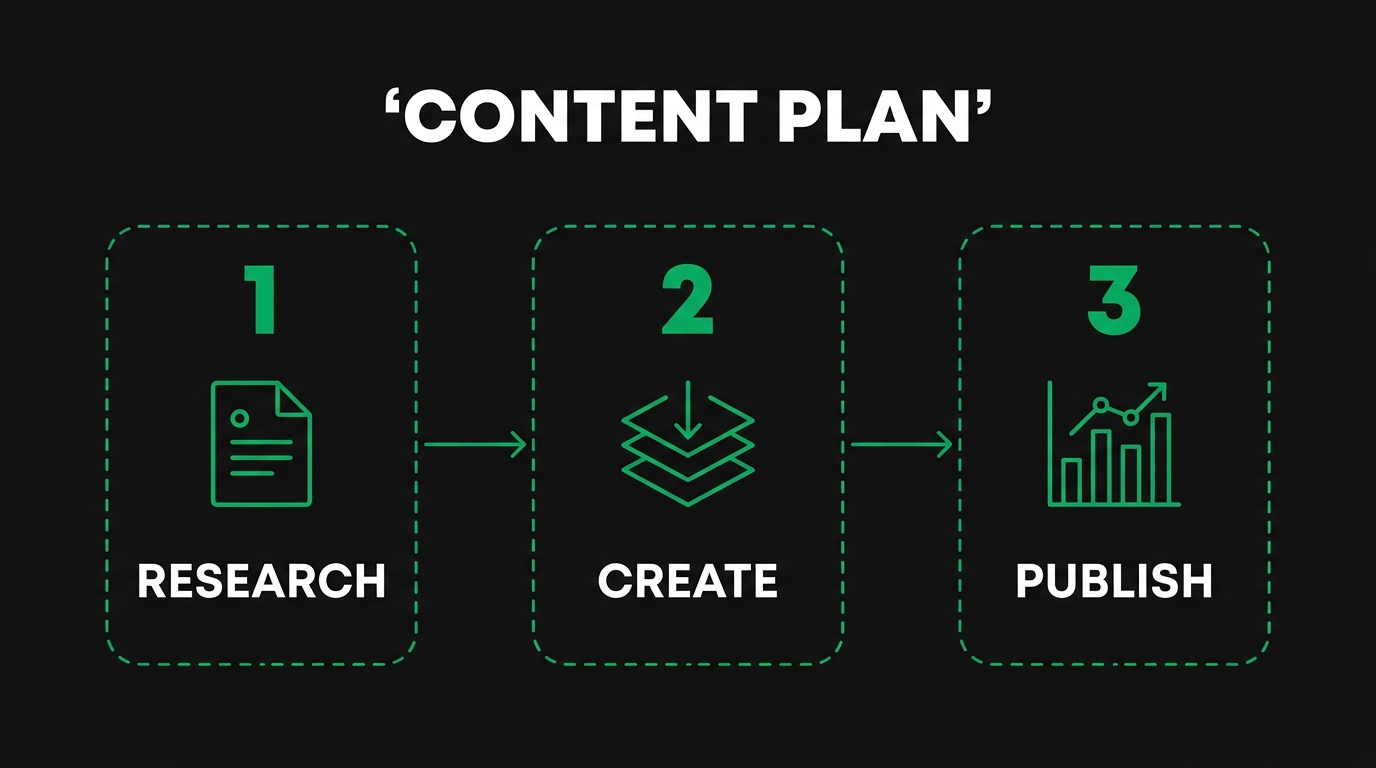
You write industrial content that earns subject matter authority by matching the technical depth procurement engineers expect, using process names and material grades as semantic signals, citing standards bodies and peer-reviewed research, and avoiding thin or surface-level coverage in regulated niches.
What Technical Depth Do Procurement Engineers and Buyers Expect?
The technical depth procurement engineers and buyers expect includes specific process tolerances, material grades with specifications, certification scopes with revision numbers, equipment capabilities, inspection methods, and lead-time ranges. Vague claims fail the credibility test. A procurement engineer scanning a vendor page wants to confirm the supplier can hold ±0.0005 inch on Inconel 718, hold AS9100 Rev D scope, and document first article inspection.
Pages that list those specifics by default convert and rank.
How Do You Use Process Names, Material Grades, and Certifications as Semantic Signals?
You use process names, material grades, and certifications as semantic signals by naming them explicitly, defining them once per page, and linking each to its canonical reference. Use full forms such as 5-axis CNC milling, AISI 4140 steel, AS9100D, ISO 13485, and IATF 16949. Anchor regulatory entities to authoritative sources.
Each named entity becomes a node search systems can connect, retrieve, and reuse during answer generation.
How Do You Cite Standards Bodies, Government Sources, and Peer-Reviewed Research?
You cite standards bodies, government sources, and peer-reviewed research by linking directly to the canonical document, naming the publishing body in the sentence, and quoting verbatim where possible. Reference NIST, EPA, FDA, ISO, ASTM, SAE, and ASME by name with stable URLs. For peer-reviewed evidence, link to the journal article or PMC entry rather than a press summary. Citation discipline satisfies E-E-A-T trust requirements documented by Google Search Central. It also raises the chance of LLM citation, since language models retrieve from sources that are themselves anchored in widely cited authoritative documents.
How Do You Avoid Thin Content and Surface-Level Coverage in Manufacturing Niches?
You avoid thin content and surface-level coverage in manufacturing niches by writing only when a page can deliver unique technical answers and by removing pages that paraphrase common knowledge. Thin pages dilute topical authority because they signal padding to ranking systems. Set a minimum-coverage standard per URL: defined audience, specific question, concrete data, named entities, and at least one diagram, table, or worked example. Pages that cannot meet the bar get merged or pruned. The goal is one canonical answer per intent. Sparse, focused depth beats sprawling, vague volume across organic and AI surfaces.
How Do You Earn Citations and Links That Reinforce Topical Authority for Industrial Brands?
You earn citations and links that reinforce topical authority for industrial brands by publishing reference-grade resources, pitching trade media, contributing to standards discussions, and amplifying tier-1 placements through safe tier-2 patterns.
Which Trade Publications and Industry Associations Confer the Strongest Authority Signals?
Trade publications and industry associations that confer the strongest authority signals include sector-specific publishers and named professional bodies such as ASME, SAE, NAM, SME, AIA, and MAPI, plus government adjacent outlets that cite NIST and DOE programs.
Links from titles trusted by procurement audiences carry both ranking weight and conversion lift. Association memberships and committee bylines compound that authority because they tie the brand to recognized technical communities.
How Do You Pitch Editorial Backlinks From Manufacturing Media?
You pitch editorial backlinks from manufacturing media by leading with an exclusive technical angle, supporting it with proprietary data, and aligning the pitch to the publication's editorial calendar. Editors at manufacturing trade titles need fresh capability stories, application case studies, defect or yield analyses, and supply chain commentary anchored in real shop data. Send a 200-word pitch with the lede, three data points, the named SME inside the company, and an offer of additional artifacts.
For broader vendor context, see top manufacturing marketing firms.
What Role Do Patents, White Papers, and Technical Standards Citations Play?
Patents, white papers, and technical standards citations play the role of canonical, citation-worthy artifacts that lift a manufacturer into the academic and standards graph. Each filing or contribution becomes a stable URL outside the marketing site that other sources can cite.
White papers archived on standards body sites earn long-tail backlinks for years. Standards committee participation produces authority-grade biographical signals tied to the brand entity.
How Do You Build Tier-2 Link Amplification Without Triggering Spam Filters?
You build tier-2 link amplification without triggering spam filters by limiting outreach to topically aligned, editorially controlled outlets and by avoiding network or PBN tactics. Tier-2 patterns include syndicating tier-1 coverage on trade aggregators, securing follow-up commentary in adjacent publications, and earning resource-page placements from associations and educational hubs. Anchor diversity, surrounding context relevance, and natural pacing matter. Avoid private blog networks, paid link farms, and over-optimized exact-match anchors. For successful patterns at scale, study real-world wins documented in examples of successful b2b seo. Restraint protects compounding authority.
How Do You Optimize Industrial Content for AI Search and LLM Citation?
You optimize industrial content for AI search and LLM citation by writing extractable, fact-rich passages, structuring entities for grounding, exposing schema that AI retrievers parse, and tracking visibility in generative engines alongside classical SERPs.
What Signals Do Large Language Models Use to Cite Manufacturing Sources?
Signals that large language models use to cite manufacturing sources include source authority, entity grounding, factual density, and prior citation gravity in the training corpus.
The pattern means manufacturer pages that mirror the structural and citation traits of widely referenced sources are more likely to be quoted. Use clear claims, named entities, dated specifications, and stable URLs. Pages that look like reference material to humans tend to look like reference material to retrieval systems.
How Do You Structure Content for AI Overviews and Generative Engine Results?
You structure content for AI overviews and generative engine results by leading with a direct one-sentence answer, supporting it with two to four crisp facts, and exposing the same content as parsable schema. Each H3 should resolve a single intent. Use bullet lists for parallel items, tables for entity comparisons, and prose for relationships and reasoning.
Page-level structure should remain interpretable when stripped of context, since retrievers consume content as text fragments.
Which Entity Grounding Techniques Make a Manufacturing Brand AI-Discoverable?
Entity grounding techniques that make a manufacturing brand AI-discoverable include consistent brand naming, sameAs schema linking to Wikipedia and Wikidata, controlled vocabulary tied to standards bodies, and persistent inclusion of canonical entities.
Tie process names to standards, material grades to specifications, and certifications to issuing bodies. The brand becomes a node in the entity graph rather than a floating string.
How Do You Measure AI Search Visibility for an Industrial Site?
You measure AI search visibility for an industrial site by tracking citation appearance across major LLM assistants, Google AI Overviews, and Bing Chat for a defined query set tied to the topic map. Build a sampling schedule that runs the procurement-intent query list against each surface weekly. Log when the brand appears as a cited source, named entity, or referenced URL. Pair the trend with classical SERP rank tracking and on-site referral analytics to triangulate impact. The metric is share of cited surface, not share of voice. Treat AI visibility as a parallel channel that compounds when topical authority is in place.
How Do You Measure Topical Authority Growth in Industrial SEO?
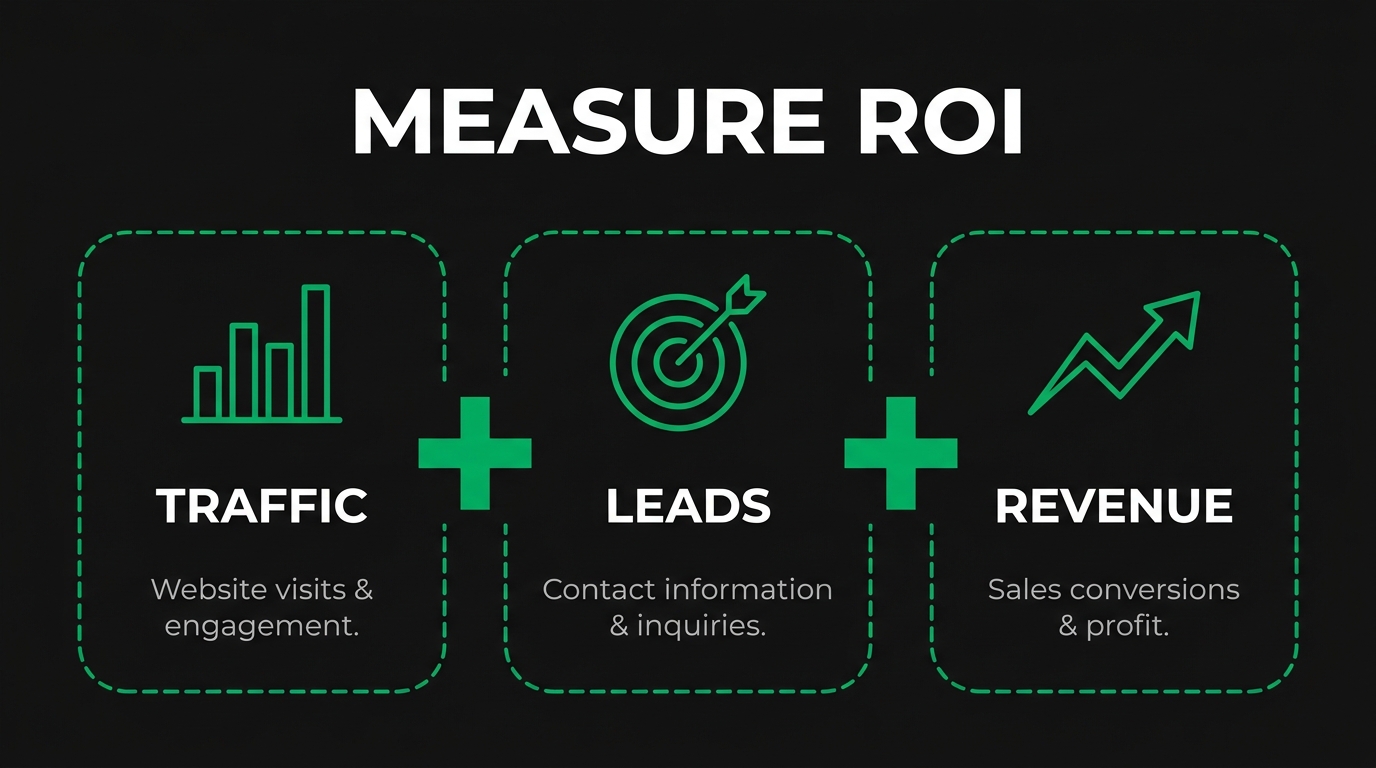
You measure topical authority growth in industrial SEO by tracking KPIs that map to coverage and intent, monitoring keyword coverage across the topic map over time, tying gains to RFQs and pipeline, and reporting on a cadence that matches procurement decision cycles.
Which KPIs Indicate Topical Authority Is Increasing for a Manufacturing Domain?
KPIs that indicate topical authority is increasing for a manufacturing domain include topical coverage percentage, indexed-URL ratio against the topic map, share of top-10 rankings within the cluster, internal link density per pillar, citation count from authoritative third parties, and AI surface citation share. The metric set should mix structural and outcome signals.
Read them together to confirm direction.
How Do You Track Keyword Coverage Across a Topical Map Over Time?
You track keyword coverage across a topical map over time by exporting ranking data per cluster, scoring each cell of the matrix as covered, partial, or missing, and snapshotting the result monthly. Covered cells have a published URL ranked in the top 30. Partial cells have a URL but no useful ranking. Missing cells have neither. The view exposes structural progress regardless of total traffic shifts. Analyze month-over-month coverage delta per cluster, not site-wide averages. The pattern reveals which content investments compound and which need rework. Pair the report with a refresh queue keyed to declining cells.
How Do You Tie Topical Authority Gains to RFQs, Pipeline, and Revenue?
You tie topical authority gains to RFQs, pipeline, and revenue by integrating organic landing data with the CRM, attributing first-touch and assisted-touch to specific cluster URLs, and reporting RFQ count, pipeline value, and closed revenue per cluster. Tag form submissions with landing slug. Push the slug into the CRM. Roll the data up to the cluster level for monthly review.
Authority that drives RFQ volume also drives operating leverage downstream.
What Reporting Cadence Works for Industrial Topical Authority Programs?
The reporting cadence that works for industrial topical authority programs is monthly operational reporting plus quarterly strategic review. Monthly reports surface coverage delta, ranking movement per cluster, citation acquisitions, AI surface trends, and RFQ counts tied to cluster URLs. Quarterly reviews compare the topic map plan against actual coverage, retire cells that proved low value, expand clusters that converted above plan, and reset the next quarter's brief queue. Procurement cycles run in months and quarters rather than days. Match the report rhythm to the buying rhythm so insights land when capital allocation decisions are actually made on the program.
What Common Mistakes Block Manufacturers From Building Topical Authority?
Common mistakes that block manufacturers from building topical authority include scattered blog content, generic keyword targeting, neglected schema and entity foundations, and prolonged inaction after a flawed start. Each mistake erodes the structural signals search engines and language models look for.
Why Does Scattered Blog Content Fail to Build Industrial Authority?
Scattered blog content fails to build industrial authority because random posts dilute the topical graph rather than compound it. A site with twenty unrelated posts on industry trends, holiday greetings, and trade show recaps signals editorial incoherence. Search engines parse the whole link graph. When themes do not cluster, no parent topic gets enough proof. Procurement buyers also lose trust because the page they landed on tells them nothing about capability. Replace scattered content with industrial seo strategies anchored in a planned topic map. Coherence is the unlock. Volume without structure produces noise.
How Does Targeting Generic Keywords Undermine Procurement-Intent Strategy?
Targeting generic keywords undermines procurement-intent strategy because top-of-funnel terms attract the wrong audience and dilute the relevance of process, material, and certification pages that convert. Ranking for "manufacturing" or "machining" brings tire-kickers, students, and journalists. Procurement engineers search narrow combinations.
The fix is to demote generic content in the internal link graph and concentrate authority on certification-anchored URLs that match the queries RFQ submitters actually type.
What Happens When You Skip Schema, Entity, and Internal Linking Foundations?
When you skip schema, entity, and internal linking foundations, search engines cannot resolve the brand into the entity graph, cannot route crawl efficiently, and cannot reward topical depth that exists only in unstructured prose. Pages might still rank individually on lucky long-tail terms. Authority will not compound. AI assistants will not retrieve the brand reliably because there are no clean entity anchors to ground citations on. The structural layer is non-negotiable. Schema, sameAs, breadcrumb, internal anchors, and consistent naming provide the substrate that every other ranking signal sits on. Skip them and the rest underperforms.
How Do You Recover From Past Topical Authority Mistakes Without Starting Over?
You recover from past topical authority mistakes without starting over by auditing the existing content set against the topic map, consolidating thin pages, redirecting duplicates, refreshing partial-coverage URLs, and adding the missing pillar and cluster pages on a sequenced schedule. Keep proven URLs that already attract qualified traffic. Merge cannibalizing posts into canonical resources. Reroute legacy backlinks to refreshed targets. Most domains can rebuild authority in 6 to 12 months without losing equity if the rebuild respects the existing crawl history. Recovery is structural. Treat it as a remodel of the graph rather than a teardown of the site.
How Should You Approach Building Industrial Topical Authority With Manufacturing SEO Agency?
You should approach building industrial topical authority with Manufacturing SEO Agency by combining a planned topic map, full-funnel coverage, and revenue-tied measurement. Manufacturing SEO Agency operates as the manufacturing seo experts who specialize in industrial-only programs.
Can Manufacturing SEO Agency's Topical Authority Buildout Service Help Industrial Brands Achieve Subject Matter Authority?
Manufacturing SEO Agency's topical authority buildout service can help industrial brands achieve subject matter authority by mapping every process, material, certification, and application a buyer searches and shipping the corresponding pillar and cluster pages on a sequenced cadence. The engagement covers topic map design, hub construction, cluster writing by domain-fluent technical writers, schema and entity grounding, internal link engineering, and tier-1 editorial link earning from trade publications.
Explore the underlying manufacturing content marketing services discipline that powers the program.
What Are the Key Takeaways About Building Topical Authority in Industrial SEO We Covered?
The key takeaways about building topical authority in industrial SEO we covered are five. First, topical authority is structural coverage of process, material, and certification combinations, not domain authority. Second, the core components are topical maps, entity grounding, internal linking, and schema. Third, the right topics come from procurement-intent matrices and competitor gap audits. Fourth, content earns authority through technical depth, named entities, and disciplined citation of standards bodies. Fifth, AI search visibility, RFQ-tied measurement, and quarterly reviews close the loop. Manufacturing SEO Agency builds the program so authority compounds into measurable pipeline rather than vanity rankings across the procurement funnel.