The best industrial manufacturing marketing firms are specialized agencies that combine deep manufacturing domain knowledge with full-funnel marketing services tuned to the long, technical, multi-stakeholder procurement journey. They rank suppliers for process, material, and certification queries, attract qualified RFQs, and tie marketing investment to closed pipeline.
This guide covers what an industrial manufacturing marketing firm actually is, the criteria that separate the leading agencies, the firms currently leading each discipline, evaluation methods before hiring, realistic pricing, results to expect, and how Manufacturing SEO Agency approaches the selection conversation.
We define the category by services, target accounts, and value proposition, then contrast specialized industrial agencies with generic marketing shops that lack process and certification fluency.
We outline the criteria that matter most: industry experience, technical capability, reporting transparency, and pricing models that match a manufacturing buyer's cycle.
We profile the firms that lead in manufacturing SEO, B2B industrial content marketing, trade-publication link building, paid media, account-based marketing, web design, marketing automation, video, niche verticals, and full-service coverage.
We walk through evaluation: pitch questions, case-study verification, red flags, and tests of technical SEO competence.
We map cost to scope, with monthly retainer ranges, pricing structures aligned to manufacturing buyer cycles, and budgeting for multi-service engagements.
We close on results: lead-quality metrics, time-to-RFQ for SEO and content, and the KPIs that tie marketing spend to pipeline value.
What Is an Industrial Manufacturing Marketing Firm?
An industrial manufacturing marketing firm is a specialized agency that markets manufacturers, fabricators, and industrial suppliers to procurement-driven B2B buyers. The next sections cover how these firms differ from generic agencies, the services they typically offer, and why specialized partners matter for manufacturers.
How Does an Industrial Marketing Firm Differ From a Generic Agency?
An industrial marketing firm differs from a generic agency by speaking the buyer's technical language: process tolerances, material grades, certifications, NAICS codes, and procurement workflows. Generic agencies optimize for broad consumer-style funnels and traffic vanity metrics. Industrial firms map content, search, and outreach to the design engineer, plant manager, and purchasing agent. They understand that "5-axis CNC machining titanium aerospace parts" is the real query, not "machining services." The U.S. Census Bureau's Annual Survey of Manufactures includes approximately 50,000 establishments selected from a census universe of 346,000 manufacturing establishments classified in NAICS sector 31 to 33, which is the audience these specialized firms target with codified industry knowledge a generalist team cannot replicate without years of vertical experience.
What Services Do Manufacturing Marketing Firms Typically Offer?
The services manufacturing marketing firms typically offer span the procurement journey: SEO and topical authority, content marketing, technical website development, account-based marketing, paid media, marketing automation, trade-publication PR, video production, conversion-rate optimization, and revenue-tied analytics. Most firms package these as retainers tied to specific manufacturing verticals such as aerospace, medical, automotive, or contract manufacturing. According to the CMO Council, 71% of marketing leaders who limit or avoid procurement involvement say procurement does not understand marketing, particularly with creative agencies and services. A strong b2b manufacturing content strategy ties every deliverable to procurement-stage intent, so engineers find the right answer at the moment of evaluation, and procurement teams see clear scope.
Why Do Industrial Manufacturers Need Specialized Marketing Partners?
Industrial manufacturers need specialized marketing partners because the buying process is technical, multi-stakeholder, and slow, and generic playbooks miss the procurement-intent vocabulary that drives RFQs. Buyers research process capability, material certification, and supplier reliability long before a salesperson is contacted. The 2018 Industrial Buying Habits Survey, published by Thomas Publishing, covers what industrial buyers care about when vetting new suppliers, what tools they use for supplier discovery and product sourcing, what they expect from supplier partners, and how much and how often they spend on new suppliers. Specialized firms turn that buyer intelligence into rankings, qualified inquiries, and pipeline value, which sets the stage for the criteria that define the best of them.
What Criteria Define the Best Manufacturing Marketing Firms?
The criteria that define the best manufacturing marketing firms are demonstrable industry experience, deep technical capability, transparent reporting tied to revenue, and pricing models that align to manufacturing buyer cycles. The following sub-sections unpack each criterion.
What Industry Experience Should a Top Firm Demonstrate?
A top firm should demonstrate vertical experience by showing live work with manufacturers across the processes and certifications its prospects sell into. That means case studies from CNC machining, injection molding, metal fabrication, additive manufacturing, contract manufacturing, or regulated verticals such as aerospace and medical, with named NAICS codes and certification fluency. The U.S. Bureau of Labor Statistics defines manufacturing as establishments engaged in the mechanical, physical, or chemical transformation of materials, substances, or components into new products, and the best firms map their content and SEO programs against the exact subindustries inside that definition rather than generic "industrial" claims.
Which Technical Capabilities Separate Leading Firms?
The technical capabilities that separate leading firms are schema markup, technical SEO at scale, structured data for Process and Product entities, integration with CRM and ERP systems, and clean data pipelines that connect organic rankings to closed revenue. Leading firms run topical authority builds that cover every process, material, and certification combination a buyer might query. According to the U.S. National Science Foundation's Annual Business Survey for 2020 to 2022, the product innovation incidence rate was 14% for companies in manufacturing industries and 10% for nonmanufacturing industries, and lead innovators among manufacturing industries were computer and electronic products at 57% and electrical equipment and components at 48%, which means the marketing firm must keep pace with rapid product evolution.
How Should You Evaluate Reporting and ROI Transparency?
You should evaluate reporting and ROI transparency by demanding revenue attribution, not keyword positions in a vacuum. The best firms show RFQ counts, pipeline value, closed-won revenue, and cost per qualified opportunity, all tied to specific keyword clusters and content assets. Manufacturing SEO Agency builds revenue-tied reporting into every engagement, integrating CRM data so each ranking ties back to RFQs, pipeline value, and closed revenue. The Gartner 2025 CMO Spend Survey reports that marketing budgets remain flat at 7.7% of overall company revenue, which makes accountability essential. Strong firms publish dashboards that map every dollar to a tracked outcome, expose source attribution in CRM, and surface the underperformers each month so spend can be reallocated quickly. If a firm cannot tie spend to pipeline, it is operating on faith, not data.
What Pricing Models Do Top Manufacturing Marketing Firms Use?
Top manufacturing marketing firms use pricing models that include fixed monthly retainers, performance-tied retainers, project fees, and hybrid retainer-plus-performance structures. According to the HubSpot 2026 State of Marketing Report, for B2B brands, the top marketing channels driving ROI were website, blog, and SEO efforts, paid social media content, and social media shopping tools, which means a retainer scoped around SEO and content carries the highest expected return. Pricing should reflect site size, number of manufacturing processes covered, and competitive density, with clear deliverables per tier. The strongest firms publish ranges openly, which signals confidence and lets manufacturers benchmark proposals before evaluating which agencies actually lead each discipline.
Which Are the Top Industrial Manufacturing Marketing Firms?
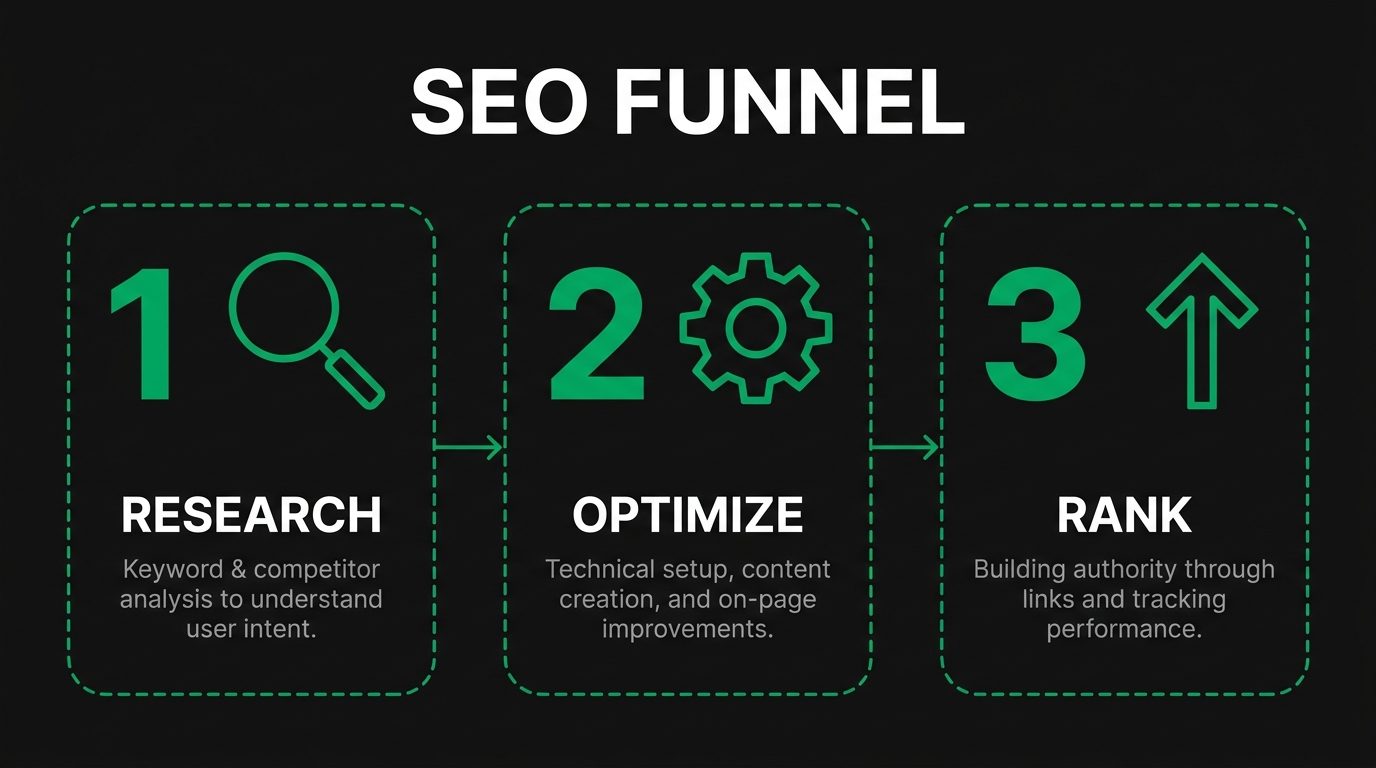
The top industrial manufacturing marketing firms specialize by discipline: SEO, content, link building, paid media, ABM, web design, automation, video, niche verticals, and full-service. Each sub-section names the leaders in that lane.
Who Leads in Manufacturing SEO and Search Visibility?
Leaders in manufacturing SEO and search visibility build topical authority around process, material, and certification queries that procurement managers and design engineers actually search. Specialists such as Manufacturing SEO Agency, KWSM, Element 3, and a handful of vertical-only consultancies dominate this lane because they understand procurement-intent keyword architecture rather than vanity terms. Google holds 84.17% U.S. search market share, followed by Bing at 10.48%, according to StatCounter Global Stats, so SEO leaders concentrate effort on Google's NLP and entity systems. A strong foundation starts with a complete industrial keywords? ultimate guide that maps process, material, and certification combinations to procurement journey stages.
Which Firms Specialize in B2B Industrial Content Marketing?
Firms that specialize in B2B industrial content marketing include Industrial Strength Marketing, Gorilla 76, Weidert Group, and TopRank Marketing, each producing technical long-form content written by people fluent in process tolerances and material specifications. The Content Marketing Institute reports that the 16th annual content marketing survey was conducted between June 24 and August 14, 2025, drawing 1,229 global responses, with 1,015 B2B marketers mostly from North America, which underscores how mature B2B content programs have become. The strongest specialists treat content as a topical map rather than scattered blog posts, and the content marketing guide for manufacturers lays out the editorial blueprint that separates these firms from generalist content shops.
Which Agencies Excel at Trade Publication Link Building?
Agencies that excel at trade publication link building secure editorial backlinks from major industrial media such as Industry Week, Manufacturing Dive, Modern Machine Shop, and trade-association publications, plus tier-2 amplification. The Library of Congress notes that the Census Bureau provides industry-specific data through programs including the Annual Survey of Manufactures, the Economic Census, and the County Business Patterns publication, all of which are widely used for industry research and benchmarking, which gives skilled outreach teams the data hooks editors actually accept. A documented b2b link building strategy makes the difference between paid placements and earned editorial coverage, which is the only kind that compounds.
Who Are the Best Firms for Manufacturing PPC and Paid Media?
The best firms for manufacturing PPC and paid media include Disruptive Advertising, Directive, JumpFly, and KlientBoost, all of which run technical Google Ads, Bing, and LinkedIn campaigns for industrial buyers. They build keyword lists around process and material qualifiers and run separate campaigns for procurement stages. Manufacturers comparing channels should review ppc vs organic search for industrial marketing before allocating budget, because PPC delivers fast lead flow while SEO compounds over years, and the best firms run both with clear handoff between teams.
Which Firms Lead in Account-Based Marketing for Manufacturers?
Firms that lead in account-based marketing for manufacturers include Demandbase consulting partners, 6sense partner agencies, and ABM-only specialists such as Marketri and Clarity Quest. They orchestrate one-to-one and one-to-few campaigns against named target accounts in the manufacturing supply chain. ABM works best when the buying committee is large and the deal value is high, which describes most industrial RFQ cycles. The strongest firms integrate intent data, CRM, and sales playbooks into a single revenue motion, which is why they win complex enterprise contracts.
Who Specializes in Manufacturing Web Design and CRO?
Firms that specialize in manufacturing web design and CRO build technical, fast, schema-rich websites optimized for engineer search behavior. Specialists include Protocol 80, Mojo Media Labs, Lone Beacon Industrial, and Big Leap. They prioritize product configurators, RFQ forms, spec sheet libraries, and CAD download portals over decorative homepage video. Conversion-rate work focuses on form clarity, certification badges, and clear procurement journey signposting. These firms know that an industrial buyer scanning for AS9100 certification on a landing page will leave in seconds if the badge is buried below the fold.
Which Firms Offer the Strongest Marketing Automation for Industry?
Firms that offer the strongest marketing automation for industry build HubSpot, Marketo, Pardot, and ActiveCampaign workflows tied to engineer behavior, RFQ submission, and CRM stage progression. Marketing Brew reports that marketing budgets stagnated from 2024 to 2025 according to industry reporting on the Gartner CMO survey, which puts pressure on automation to do more with the same headcount. The leading specialists, including SmartBug Media, New Breed, and Lift Enablement, configure lead scoring around procurement intent signals such as spec-sheet downloads, configurator usage, and repeat content consumption.
Who Are the Top Firms for Manufacturing Video and Multimedia?
The top firms for manufacturing video and multimedia produce process walkthroughs, plant tours, customer testimonial reels, and animated explainers of complex assemblies. Standouts include Lemonlight Industrial, Storyhunter, IndustrialSage, and Trew Marketing's video team. They know that an engineer needs to see a 5-axis machining cycle, a cleanroom assembly, or an additive build chamber to trust capability claims. Video pairs naturally with the best content formats for supply chain, and the strongest firms repurpose every shoot into clips, GIFs, and stills for social, sales decks, and product pages.
Which Boutique Agencies Outperform on Niche Industrial Verticals?
Boutique agencies that outperform on niche industrial verticals are small teams of 5 to 25 specialists who only serve one or two manufacturing subindustries. Examples include aerospace-only firms, medical-device-only consultancies, and packaging-only agencies. They win against larger competitors because their topical authority is unmatched: every case study, blog post, and link is on-vertical. NIST Manufacturing Extension Partnership reports that since 1988, MEP has worked with more than 86,000 manufacturers producing $96.4B in sales, $15.7B in cost savings, and more than 797,994 jobs, evidence that vertical specialization scales when execution is tight.
Who Provides the Best Full-Service Industrial Marketing Coverage?
Full-service industrial marketing coverage is provided by firms that combine SEO, content, paid media, web design, automation, and PR under one roof, with manufacturing-only client lists. Examples include Industrial Strength Marketing, Gorilla 76, KWSM Industrial, and Weidert Group. According to LinkedIn for Business, 59% of B2B buyers consume creator content on LinkedIn, more than on any other platform, video uploads on LinkedIn increased 34% year-on-year, and 63% of buyers said the format influences their decisions, so a full-service firm now has to deliver short-form video as part of every retainer. Choosing a full-service firm reduces vendor management overhead, which leads naturally to how to evaluate any one of them before hiring.
How Do You Evaluate a Manufacturing Marketing Firm Before Hiring?
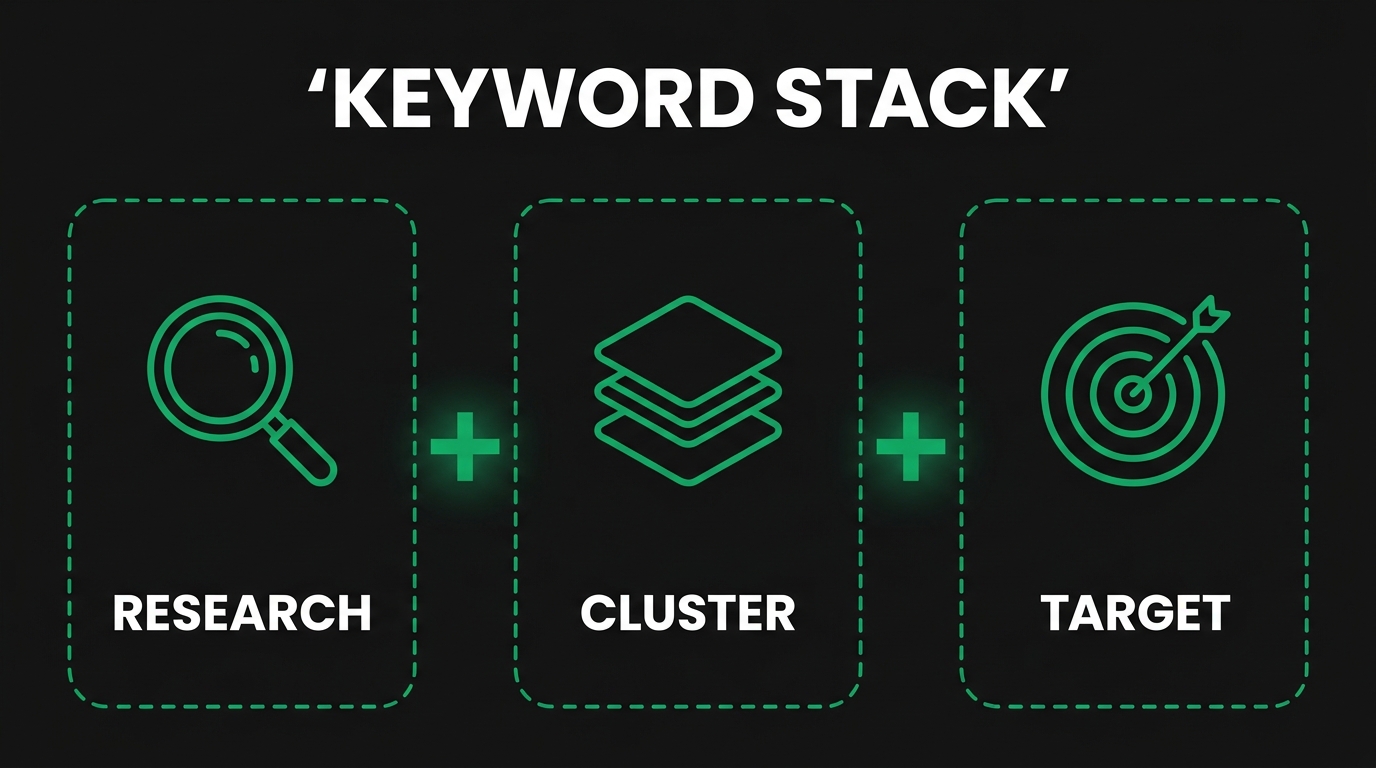
You evaluate a manufacturing marketing firm before hiring by interrogating its pitch with sharp questions, verifying every case study, scanning for red flags, and stress-testing technical SEO competence. The Duke Fuqua CMO Survey reports that spending on analytics as a percentage of the marketing budget hit an all-time high of nearly 9% of marketing budgets, and marketing analytics is now used in nearly half of all marketing decisions, rising from 38% before the pandemic, which means a hireable firm must speak the language of measurement.
What Questions Should You Ask During an Agency Pitch?
The questions you should ask during an agency pitch include: How many clients in our exact subindustry? Show me three live SEO programs with revenue attribution. Which procurement-stage keywords have you ranked, and what was the RFQ lift? What CRM integrations do you build by default? Who on your team writes our process content, and what is their manufacturing background? Which trade publications have you placed editorial into? What is your average client tenure? A pitch that cannot answer specifics with names, numbers, and screenshots is selling generic capabilities, and generic capabilities lose against specialists in industrial procurement search.
How Do You Verify Manufacturing Industry Case Studies?
You verify manufacturing industry case studies by asking for the live URL, the start and end dates, the keyword set, and the named contact at the client who can confirm results. The National Association of Manufacturers notes that manufacturing output hits all-time high, signaling industry's strength, which means many vendors will inflate the rising tide as their own work. Cross-check claims against organic traffic estimates from Ahrefs or SEMrush, and read the case studies: successful manufacturing e-commerce for the kind of detail real wins look like. If a firm refuses to introduce you to a current client, treat that as the answer.
Which Red Flags Signal a Bad Fit for Industrial Marketing?
Red flags that signal a bad fit for industrial marketing include vague case studies without metrics, generic monthly reports built on vanity rankings, no in-house technical writers with manufacturing fluency, refusal to integrate with the client's CRM, missing references in the exact subindustry, and pricing that scales with traffic rather than pipeline value. Other warning signs include AI-generated content sold as expert content, link-building proposals that involve PBNs or paid placements disguised as editorial, and account managers who cannot explain the difference between AS9100 and ISO 13485. A firm that cannot speak fluently about certifications cannot rank for them.
How Do You Assess a Firm's Technical SEO Competence?
You assess a firm's technical SEO competence by asking it to audit your site live during the pitch and present the top three crawl, render, and indexation issues with fixes. Test schema knowledge: ask how it would mark up a Process page or a Material spec page. Probe its understanding of internal link architecture, log-file analysis, and Core Web Vitals tuning for a 10,000-page industrial site. The Federal Reserve Bank of St. Louis publishes the Industrial Production Total Index (INDPRO), which manufacturers cite for market context, and a competent firm will show similar fluency by referencing authoritative data when proposing content angles. Pair its audit with a review of its own backlink profile, and use how to use moz link explorer for industrial to validate what good looks like before investing in scope.
How Much Do Industrial Manufacturing Marketing Firms Cost?
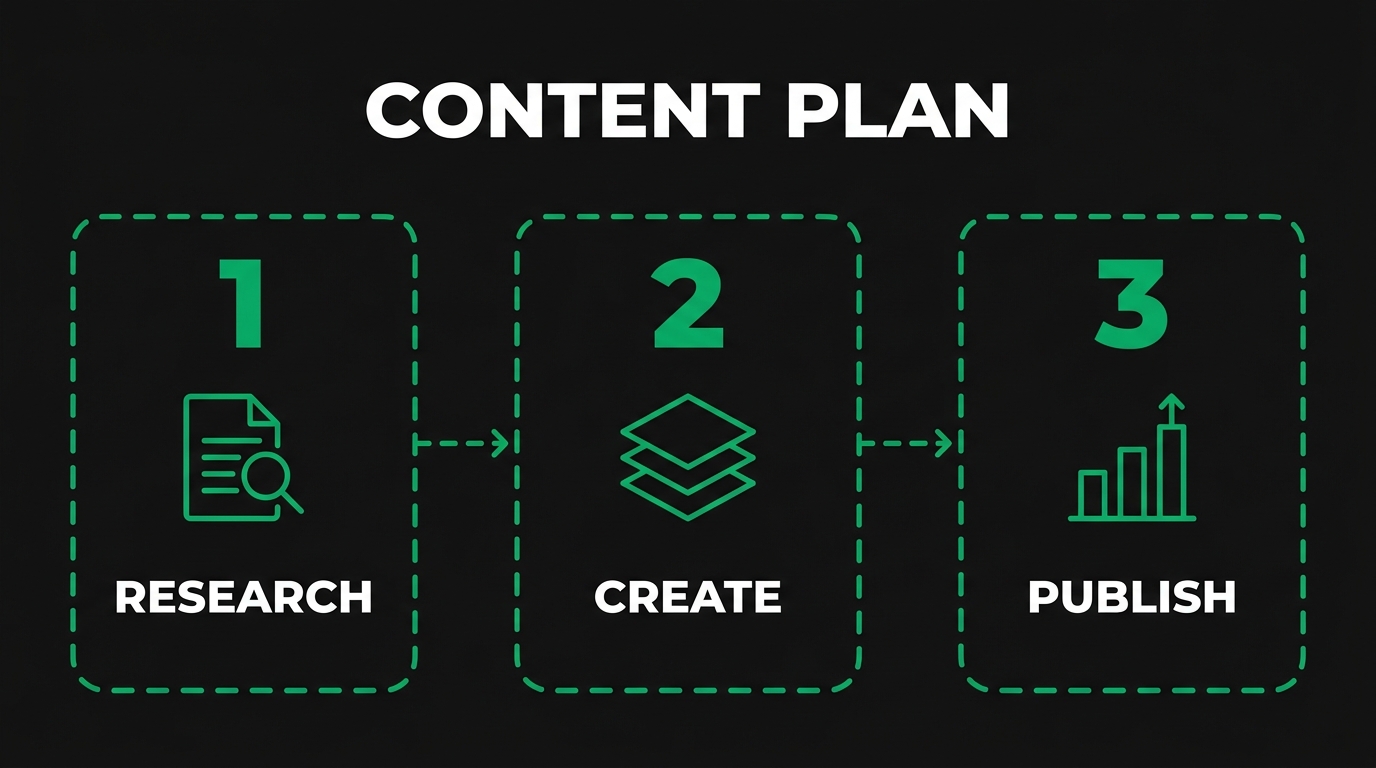
Industrial manufacturing marketing firms cost between $3,000 and $50,000 per month, with most committed engagements landing in the $5,000 to $25,000 range. The next sub-sections cover monthly retainer ranges, pricing structures aligned to manufacturing buyer cycles, and how to budget for multi-service scopes.
What Are Typical Monthly Retainer Ranges for Industrial Marketing?
Typical monthly retainer ranges for industrial marketing fall into three bands: boutique single-discipline retainers at $3,000 to $7,500, mid-market full-funnel retainers at $7,500 to $20,000, and enterprise multi-facility programs at $20,000 to $50,000 and above. The U.S. Small Business Administration notes that typical marketing spending for profitable businesses making less than $5 million in sales annually is about 8% of total revenue, which gives a useful sanity check: a $10 million manufacturer should expect to commit roughly $800,000 per year across all marketing, with agency fees typically representing 30% to 60% of that envelope depending on in-house headcount.
Which Pricing Structures Match Manufacturing Buyer Cycles?
The pricing structures that match manufacturing buyer cycles include fixed monthly retainers, milestone-based project fees, performance-tied retainers indexed to RFQ count or pipeline value, and hybrid retainer-plus-bonus models. Fixed retainers suit programs with predictable workload such as ongoing topical authority builds. Performance models work when attribution is clean and the buying cycle is short enough to reconcile within a quarter. Manufacturing cycles often run 6 to 18 months from first touch to closed PO, so pure performance pricing rarely fits without a base retainer. The strongest firms publish tiered ranges, scoped deliverables, and explicit re-evaluation windows so the buyer can renegotiate as the program matures.
How Should You Budget for a Multi-Service Engagement?
You should budget for a multi-service engagement by stacking discipline-level retainers against a clear procurement-stage roadmap, then reserving 15% to 25% as a flex pool for content production overruns and new opportunity work. Allocate the largest line to whichever discipline carries the most ranking pressure, typically SEO and topical content for procurement-intent queries. The Manufacturing Institute reports that the manufacturing skills gap could result in 2.1 million unfilled jobs by 2030, with the cost of those missing jobs potentially totaling $1 trillion, which makes outsourcing marketing execution to specialists more attractive than hiring scarce in-house talent. Budget annually, not monthly, so the program survives quarterly noise. That budgeting discipline sets the table for measuring what results actually look like.
What Results Should You Expect From a Manufacturing Marketing Firm?
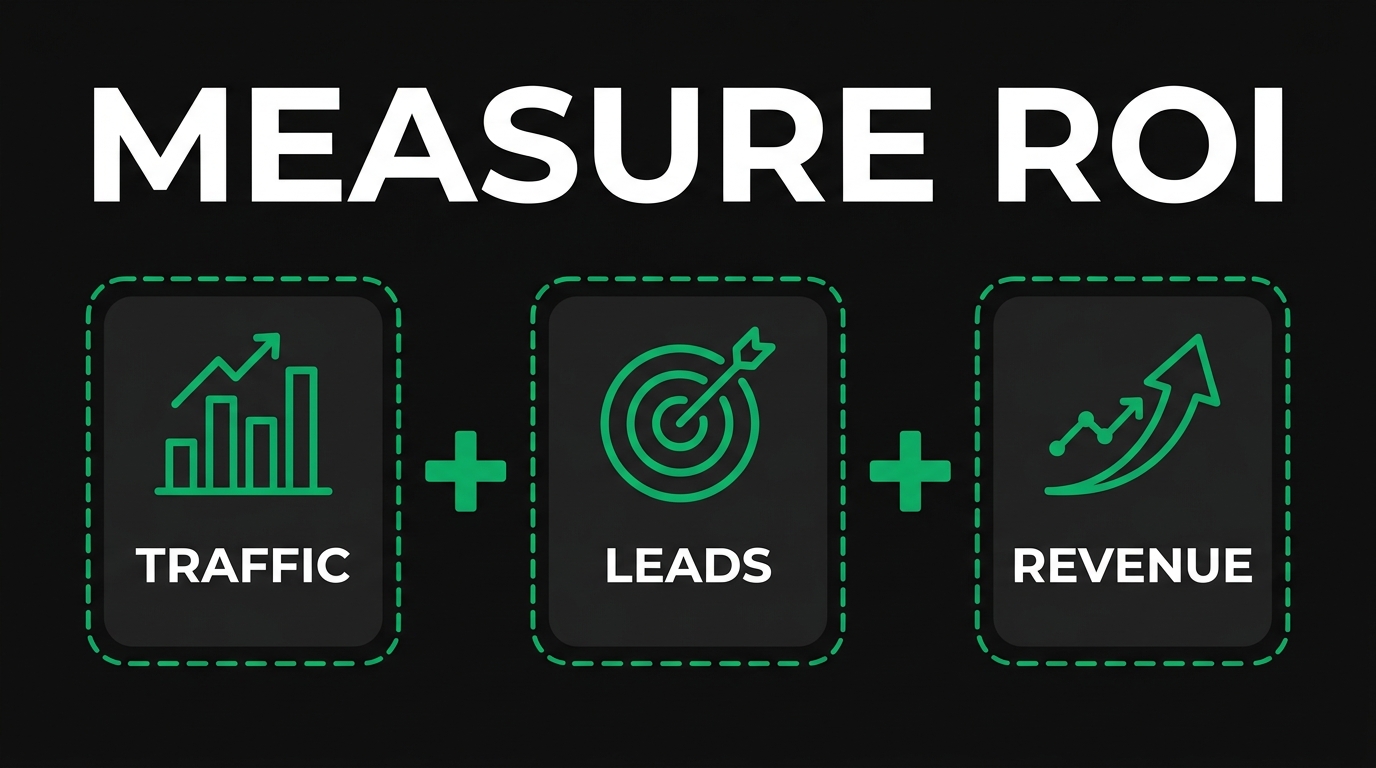
The results you should expect from a manufacturing marketing firm are higher-quality RFQs, ranking gains on procurement-intent keywords inside 6 to 9 months, and pipeline attribution. The next sub-sections cover lead-quality metrics, realistic time-to-RFQ for SEO and content, and KPIs that tie spend to pipeline value.
What Lead Quality Metrics Matter Most for Manufacturers?
The lead quality metrics that matter most for manufacturers are RFQ count, RFQ-to-quote conversion, average order value, certification fit between buyer and supplier, and source-attributed pipeline value. Vanity metrics such as form fills and PDF downloads should be tracked but never reported as success on their own. The International Organization for Standardization reports that ISO 9001 (Quality Management System) remains the most popular certification with over 1.3 million certified companies globally, and the manufacturing sector accounts for 50% of all ISO certifications worldwide, which means certification-aligned lead scoring is a non-negotiable filter. A qualified lead is one whose certifications, volumes, and process needs match the supplier's actual capability profile.
How Long Until SEO and Content Drive RFQs?
SEO and content drive RFQs in 4 to 9 months for procurement-intent long-tail queries, and in 9 to 18 months for competitive head terms in dense subindustries. Initial wins come from quick-fix technical SEO, schema markup on Process and Product pages, and topical content that targets low-competition certification and material combinations. Mid-cycle gains come from compounding internal linking and trade-publication backlinks that lift the entire topical cluster. Manufacturing SEO Agency pursues this exact pattern, layering topical authority buildout with PR-grade editorial link building from major trade publications. Manufacturers should track first-RFQ-from-organic as the leading indicator, then watch monthly RFQ count climb as more cluster pages reach top-3 positions. Expect a slow first quarter, an inflection in the second, and meaningful pipeline by month nine.
Which KPIs Tie Marketing Spend to Pipeline Value?
The KPIs that tie marketing spend to pipeline value include cost per qualified RFQ, source-attributed pipeline created per dollar spent, marketing-influenced revenue, sales-cycle length by source, and customer acquisition cost by program. The Association of National Advertisers notes that ANA membership includes over 1,600 companies with 40,000 brands that collectively spend over 400 billion dollars in marketing communications and advertising, which underscores why pipeline-tied accountability has replaced impression-only reporting. The strongest manufacturing firms map every keyword cluster, content asset, and link campaign to a CRM-tracked outcome, then publish a monthly dashboard that exposes underperformers so spend can shift quickly. That accountability discipline naturally leads into how to choose the right partner.
How Should You Approach Selecting a Manufacturing Marketing Firm With Manufacturing SEO Agency?
You should approach selecting a manufacturing marketing firm with Manufacturing SEO Agency by treating vendor choice as a procurement decision: scope certifications, processes, and revenue targets first, then shortlist a focused industrial seo agency over generalists. The next sub-sections cover competitive outranking and key takeaways.
Can Manufacturing SEO Agency Help Industrial Brands Outrank Larger Competitors?
Manufacturing SEO Agency can help industrial brands outrank larger competitors by concentrating every asset on procurement-intent queries that map process, material, and certification combinations to the RFQ funnel. Manufacturing SEO Agency is an industrial-only firm that ranks suppliers for the exact terms procurement managers and design engineers type into Google, rather than vanity terms. The approach pairs procurement-intent keyword architecture with topical authority buildout and PR-grade editorial link building from major trade publications. Manufacturing SEO Agency also offers manufacturing content marketing services that produce long-form technical content written by people fluent in process tolerances, certifications, and material specifications.
What Are the Key Takeaways About the Best Industrial Manufacturing Marketing Firms?
The key takeaways about the best industrial manufacturing marketing firms are summarized below.
- Best firms are manufacturing-only specialists with vertical case studies, certification fluency, and procurement-intent strategy rather than generalists.
- Top firms lead by discipline: SEO, content, link building, paid media, ABM, web design, automation, video, niche verticals, and full-service coverage.
- Evaluation hinges on sharp pitch questions, verified case studies with named contacts, and a live technical SEO audit during the pitch.
- Realistic monthly retainers range from $3,000 to $50,000, with most engagements landing between $5,000 and $25,000.
- Real results show up as RFQ count, source-attributed pipeline value, and CRM-tracked closed revenue, not keyword positions in isolation.